


What blanket accessories are for and when they really become important
When talking about blanket accessories, often people only think of secondary elements. In reality, they are components that have a concrete impact on compatibility with the system, on ease of use and continuity of operation over time. Choosing the right accessory means avoiding improvised adaptations, reducing errors during assembly, and simplifying future inspection operations.
In a blanket accessories guide purchase-oriented, the central point is not only to understand “what is needed,” but above all when it is needed. Some accessories are useful already during initial installation, others become essential when a worn component must be replaced, an existing configuration updated, or proper integration with the rest of the system restored.
Accessories can be relevant in different scenarios:
- new installation, when it is necessary to complete the assembly consistently;
- replacement of spare parts, to restore functionality without changing the entire assembly;
- system adjustment, if connections, measurements, or configurations have changed over time;
- maintenance optimization, to make verification, cleaning, and periodic checks easier.
A common mistake is to consider accessories as universal elements. In practice, the correct choice almost always depends on three factors: type of system, mechanical or functional compatibility e expected durability in the usage context. For this reason, before ordering it is advisable to gather all available information and compare it carefully. If a detail is unclear, check the product sheet.
To better guide you among related components and system solutions, it can be useful to also consult the technical guides in the catalog e in-depth information on available categories, to frame the role of the accessory in the overall system.
Compatibility, measurements, and technical checks to choose blanket accessories
The most important phase in choosing blanket accessories is verifying compatibility. Even when two components seem similar, small differences in attachment, shape, size, or intended use can make assembly impractical or completely unsuitable.
To avoid inconsistent purchases, it is advisable to start with a simple but effective checklist.
Check the type of system
The first step is to understand on which system the accessory must be installed. It is not enough to know that it is needed “for a blanket”: it is necessary to verify the actual usage context, the existing configuration, and the type of connection planned. An accessory designed for a certain setup may not be suitable for another, even if it initially appears compatible.
Before purchasing, check:
- model or family of the already installed component;
- mounting or connection method;
- available space for installation;
- any adaptations already present on the system;
- presence of parts previously replaced.
If the system has been modified over time, it is even more important not to rely solely on memory or an old order description. In these cases, a careful visual check is often the safest solution.
Check measurements, fittings, and clearances
Compatibility is not only a matter of function, but also of actual measurements. The most common mistakes arise precisely from too quick checks: an accessory with a similar but not identical fitting is ordered; or a clearance that prevents correct positioning is overlooked.
The most useful checks concern:
- main dimensions of the component to be replaced;
- shape and position of fittings;
- orientation of the installation;
- available space around the installation point;
- interferences with other system elements.
When possible, compare the existing component with available images and data. If the catalog provides specific indications, always follow them. If some measurement is not specified, check the product sheet.
Materials, working environment, and durability over time
A correct accessory must be compatible not only with the installation but also with the’environment in which it operates. Humidity, frequency of use, exposure to stresses, and operating conditions can affect the component’s durability and stability over time.
For a more informed choice, consider:
- if the accessory will be subjected to frequent use;
- if the context requires particular resistance to wear;
- if the component must maintain stability over time;
- if quick access is planned for future checks or replacements.
This aspect is closely related to blanket accessories maintenancea well-chosen component not only integrates better but also makes subsequent interventions smoother.
Always compare the replacement with the existing component
When the purchase is for a replacement, the most reliable method is to compare the new accessory with the one already installed. Photographs, technical notes, and visual details can help, but the best reference remains direct comparison with the actual component.
If you have doubts between multiple solutions, it is useful to consult pages dedicated to spare parts and related accessories or the support sheets for component selection, thus reducing the risk of incompatibility.
Typical errors in ordering or installing blanket accessories
Many problems do not depend on the quality of the component but on a rushed selection or incomplete verification before installation. Knowing the most common mistakes helps to avoid them in advance.
Buying based on appearance and not compatibility
Two accessories may seem equivalent but differ in fundamental details. Relying only on external shape or a generic description often leads to incorrect orders. The rule is simple: appearance is not enough. What counts is the match with fittings, measurements, and intended use.
Ignoring previous modifications to the system
In many systems, over time, adaptations, partial replacements, or non-original configurations are made. If you order an accessory thinking of the initial configuration, you risk receiving a component not suitable for the actual situation. Before ordering, it is always advisable to check what is actually installed today.
Not considering the installation space
An accessory compatible on paper can be inconvenient or impossible to install if the available space is not evaluated. The lateral clearance, the position of other components, or the need for access for fastening are aspects to verify before purchase.
Neglecting future maintenance
Another common mistake is choosing an accessory without thinking about management over time. If the component makes cleaning, inspection, or replacement difficult, even an initially correct installation can become a subsequent complication. In a good blanket accessories maintenance, strategy, ease of access is a practical criterion not to be underestimated.
Installing without checking the final match
Before installation, it is always advisable to make a final comparison between the received component and the expected one. Visually check fittings, orientation, proportions, and fastening points. This check takes little time but can avoid unnecessary disassembly or operational downtime.
For those who want to deepen the topic of correct component selection, it may be useful to also read the articles on system maintenance, where practical cases most useful for preventing recurring errors often emerge.
Products, spare parts, and useful accessories: how to navigate the choice
Within a category dedicated to blanket accessories, it is normal to find solutions with different functions: elements to complete the assembly, connecting components, replacement parts, and accessories designed to make use or maintenance easier. To choose well, it is advisable to think in terms of function and not just for the component name.
Accessories to complete the installation
This type is useful when configuring a system from scratch or when a necessary element for proper assembly is missing. In these cases, the goal is to achieve a consistent configuration, without forcing or improvised adaptations.
The right questions to ask are:
- is a completion or connection component needed?
- is the accessory designed for my system?
- is the intended installation direct or does it require additional checks?
- does the chosen solution facilitate any future interventions?
Spare parts for replacement and restoration
When the existing component is worn or damaged, the priority is to restore functionality with a consistent spare part. In this context, precision matters more than speed: it is preferable to spend a few extra minutes verifying rather than having to handle a return or a second installation.
A good blanket accessories guide it always suggests checking:
- match with the already installed part;
- actual function of the component to be replaced;
- any differences due to system updates;
- instructions present in the catalog documentation.
Accessories useful for easier maintenance
Not all accessories are meant to fix a fault. Some are useful for making system management tidier and facilitating periodic operations. From a blanket accessories maintenance, perspective, it is worth considering everything that helps simplify inspection, access, and replacement of wear-prone parts.
This logic is particularly useful in professional contexts, where operational continuity also depends on the ability to intervene quickly and orderly.
How to read a product sheet without missing important details
The product sheet is the main reference point to confirm the choice. Do not limit yourself to the title: carefully observe the description, images, declared compatibility, and technical notes. If a detail is not explicitly reported, check the product sheet or compare multiple pieces of information available within the store.
In particular, always check:
- intended use of the accessory;
- any compatibility indications;
- visible shape and configuration of the component;
- presence of notes on installation or replacement.
This approach reduces errors and makes purchasing more informed, especially when looking for a precise solution for an existing system.
Recommended products
Go to the Covered Accessories category


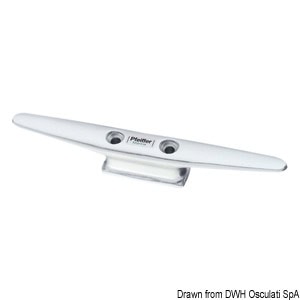


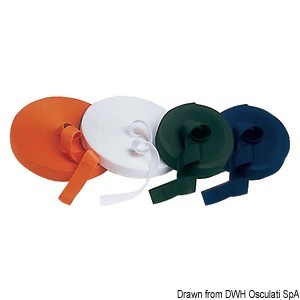


How to choose deck accessories quickly but accurately
If you want to summarize the decision-making process, you can follow a simple path: first identify the context, then check compatibility, and only at the end compare the options available in the store. It is a practical method that helps avoid impulsive purchases.
- Observe the component or installation point: gather measurements, shape, attachments, and actual configuration.
- Define the required function: completion, replacement, connection, or maintenance support.
- Check compatibility: always compare with images and catalog descriptions.
- Evaluate durability in your usage context: consider environment, frequency of use, and ease of access.
- Confirm details on the product sheet: if something is unclear, do not take anything for granted.
By following these steps, the choice of blanket accessories becomes more straightforward and above all better suited to the real needs of the system.
Useful links to learn more about accessories, spare parts, and maintenance
To complete the evaluation, you can consult the sections dedicated to system solutions e the insights on spare parts and maintenance. These are useful resources to compare use cases, better verify compatibility, and identify the component best suited to your operating context.
If you are looking for a reliable solution for your system, explore the category dedicated to accessories and the brands available in the store: you will find components designed to complete the installation, manage replacements, and simplify maintenance with a more precise and consistent choice.
FAQ
How do I know if a blanket accessory is compatible with my system?
Check the already installed component, verify connections, shape, dimensions, and actual function. Compare this data with images and description in the catalog and, if a detail is not clear, check the product sheet.
Is it better to choose an accessory based on the name or the shape?
No, the choice should not be based solely on the trade name or appearance. Real compatibility depends on configuration, measurements, connections, and the intended use of the component.
When is it better to replace a blanket accessory instead of adapting it?
It is advisable to replace it when the existing component is worn, damaged, or no longer consistent with the current system configuration. Improvised adaptations can complicate assembly and future maintenance.
What checks to make before ordering a spare part or an accessory?
Before ordering, check the type of system, the main measurements, the position of the connections, the available space for installation, and any previous modifications. A direct comparison with the existing component remains the most reliable solution.
Do blanket accessories also affect maintenance?
Yes, a correct choice can make control, access, and replacement of parts easier over time. For this reason, it is useful to evaluate not only the initial compatibility but also the practicality of future maintenance operations.


