


When you really need an electric outboard motor
The electric outboard motor is often evaluated only based on propulsion, but in practical use, everything around the onboard system also matters: lights, beacons, connections, plugs and sockets, instruments and accessories. This is precisely where an important part of the choice is made, especially when the goal is to achieve an orderly, reliable, and easy-to-manage system.
In many cases, switching to electric is interesting when looking for a more straightforward solution in daily management, with less operational complexity and greater attention to energy distribution onboard. This applies to small support boats, tenders, fishing boats in inland waters, vehicles for short trips, or uses where acoustic comfort and cleanliness of installation have real importance.
Those who compare different options often make a mistake: they look at the motor as an isolated element. In reality, it is better to think about the complete system, starting from some practical questions:
- which electrical loads need to operate together with the motor;
- how the onboard connections are distributed;
- if the plugs and sockets present are suitable for the desired configuration;
- if lights and headlights are already compatible with the existing system;
- if access to connection points is convenient and protected.
When the motor is installed on a vehicle already equipped with instrumentation, lighting, and accessories, the issue of electric outboard motor compatibility becomes central. It is not just about making it work, but integrating it without creating weak points in the system.
Per approfondire il tema dell’equipaggiamento elettrico di bordo può essere utile consultare anche la sezione dedicata all’elettricità nautica e i contenuti sulla strumentazione di bordo, così da valutare il motore nel contesto corretto.
Electric outboard motor: differences between solutions, measurements, or compatibility
In the technical comparison between different solutions, compatibility does not concern a single component. It concerns the interaction between power supply, wiring, connections, and auxiliary services. For this reason, before ordering, it is advisable to read the motor's technical sheet and also check the characteristics of the already installed system.
Lights and signals: why they affect the choice more than it seems
The lights and the beacons are not secondary accessories. In a well-designed electrical configuration, they must fit coherently with the power line, control points, and available connections. If the system has been expanded over time with subsequent additions, it is easy to find untidy adaptations, improvised derivations, or connections that complicate the integration of the motor.
An electric outboard motor installed on a boat with existing lighting requires attention to:
- type of power supply for the lighting devices;
- arrangement of cables between stern, console, and technical compartments;
- presence of separate switches or shared lines;
- condition of connectors exposed to moisture and vibrations;
- actual available space for clean wiring.
If the vessel is used at varying times or in contexts where onboard lighting is part of the routine, it is worth considering the motor along with the entire service circuit. An apparently simple configuration can become complex if the lights are connected with logics different from those provided by the main system.
Plugs and sockets: the critical point that often determines the quality of the installation
In common language, people talk about connecting the motor, but the real issue is how connecting it. The plugs and sockets are often the point where incompatibilities, non-ideal adaptations, or practical limits in daily management emerge. An unsuitable connector, difficult to reach or inconsistent with the rest of the system, can make even a theoretically correct installation less efficient.
Before choosing, it is useful to check:
- if the existing connection points are already prepared for the required nautical use;
- if the position of the sockets facilitates insertion, disconnection, and maintenance;
- if the wiring allows an orderly path without forced bends;
- if any integration with chargers, panels, or accessories is planned;
- if the product sheet clearly indicates the type of connection required.
In un confronto tra alternative simili, la qualità della connessione e la semplicità del layout elettrico possono fare la differenza più della sola impressione iniziale. Per questo è utile affiancare alla scelta del motore anche una verifica di connettori, prese e accessori di collegamento.
Mechanical and electrical compatibility: two levels not to be confused
When talking about electric outboard motor compatibility, many users only think about the attachment on the transom. It is an important aspect, but not sufficient. Mechanical compatibility concerns dimensions, fastening, and mounting position. Electrical compatibility, instead, concerns how the motor communicates with the rest of the system.
A correct installation requires evaluating together:
- available space at the stern and in technical compartments;
- cable routing to battery and panel;
- consistency between motor, switches, and onboard devices;
- integration with instruments, lights, and lamps;
- ease of inspection and maintenance of connections.
If one of these elements is neglected, the result can be a functioning system but impractical. When comparing models or configurations, it is therefore always advisable to think in terms of the system and not the individual component.
Mistakes to avoid in choice or assembly
In the process leading to the order, the most common mistakes do not depend on the quality of the motor but on an incomplete assessment of the usage context. Those who purchase with only a theoretical approach risk ending up with a more complex installation than expected.
Underestimating the existing system
A common mistake is to think that a new motor can fit without checks into a system built over time. If on board there are lights, beacons, accessory sockets, instruments, and controls distributed unevenly, it is essential to first check the power points and actual connections. Even a small difference in cable arrangement can affect the neatness of the assembly.
Using improvised adaptations on plugs and sockets
The plugs and sockets should never be considered a minor detail. Temporary solutions, adapters inserted without a system logic, or poorly protected connections can create continuity problems, premature wear, and diagnostic difficulties. If the intended connection is unclear, the best choice is always to check the product sheet or compare compatible accessories.
Separating the motor from the rest of the utilities
Another mistake is to evaluate the motor without considering what must coexist with it. If the boat uses lighting, instruments, pumps, or service sockets, the electrical design must take the overall distribution into account. In many cases, it is useful to review the general framework before assembly, thus avoiding less orderly additions later.
Ignoring accessibility and maintenance
A system can be technically correct but inconvenient to manage. Hidden connections, sockets difficult to reach, or overly compressed cables complicate inspection and maintenance. In practice, ease of access matters a lot: especially on compact boats, every layout choice should favor quick checks and simple interventions.
Per chi sta rivedendo l’assetto complessivo dell’impianto, può essere utile consultare anche gli accessori per cablaggio e distribuzione e le soluzioni per luci e fanali di bordo, così da individuare eventuali punti da aggiornare prima dell’installazione del motore.
Products and categories to consider
When comparing different options, the most effective way to choose is not to start from the motor alone, but from the categories that truly influence the user experience. In a coherent project, the motor is the center of the system, but everything around it determines reliability, order, and ease of use.
The areas to consider before ordering are generally these:
- components for power supply and connection, to verify system continuity;
- plugs and sockets, especially if the vehicle already has existing provisions;
- lights and headlights, if they must coexist with the same electrical architecture;
- wiring accessories, useful for creating a cleaner installation;
- instrumentation, if the engine needs to integrate with controls or readings already present on board.
This approach is particularly useful for those making a competitor-driven comparison: instead of stopping at the commercial description, it is advisable to verify how integrable a solution really is in your context. A well-structured product sheet should help understand the expected connections, necessary accessories, and possible compatibility limits. If a detail is not specified, the safest choice is always: check the product sheet.
Another often overlooked aspect concerns the logic of future expansion. Even if the need is limited today, tomorrow you might want to add a service socket, replace the headlights, reorganize the panel, or integrate other instrumentation. For this reason, it is preferable to opt for a configuration that does not close the door to future upgrades.
In summary, the right categories to analyze are not only useful to complete the order: they help avoid incompatibilities, simplify assembly, and improve the overall quality of the onboard system.
Recommended products

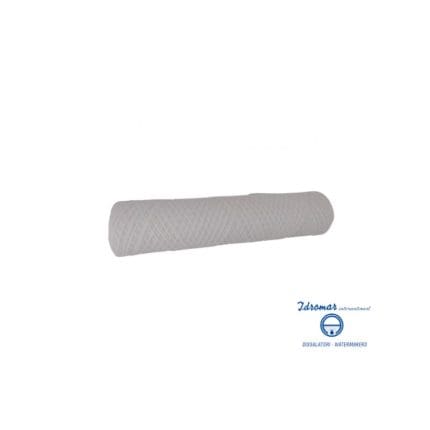 10" Wound Wire Cartridge 20 micron – code: 10MP20 – Idromar
 Stainless steel clamps Norma 12–22 mm – code: FAI0012022 – Toscogomma
 Brush with spring - code: SGM45 - Gianneschi Pumps and Blowers


Useful links for choosing more precisely
Se stai confrontando più soluzioni e vuoi evitare errori in fase di configurazione, può essere utile approfondire alcuni ambiti collegati: componenti per impianti elettrici nautici, accessori per il cablaggio, sistemi di illuminazione e connessioni di bordo. Valutare insieme motore, fanaleria e punti di collegamento aiuta a costruire un impianto più coerente fin dal primo ordine.
If you want to navigate categories and brands with a more practical approach, explore the range dedicated to electricity and instrumentation: it is the best way to verify overall compatibility, compare available solutions, and choose the electric outboard motor most suitable for your system, together with lights, beacons, plugs and sockets truly consistent with the planned installation.
FAQ
How to check the compatibility of an electric outboard motor with the onboard system?
It is advisable to check not only the motor mounting but also the cable routing, power supply points, the presence of lights and headlights already connected, and the type of plugs and sockets available. If a detail is unclear, check the product sheet.
Do lights and lanterns really affect the choice of electric outboard motor?
Yes, because they are part of the system that must coexist with the engine. If they are already on board, it is useful to check how they are powered, where the cables run, and if the system allows for an orderly integration without improvised adaptations.
Why are plugs and sockets so important in a marine electrical installation?
Because they represent the real point of connection between components. If they are uncomfortable, unsuitable, or inconsistent with the intended configuration, they can complicate assembly, maintenance, and system reliability.
What is the most common mistake before ordering?
Evaluate the engine as an isolated element. The correct choice instead requires considering wiring, connections, accessories, lights, headlights, and available space for a clean and accessible installation.
Is it better to choose the motor first or the connected electrical accessories first?
The best approach is to analyze the system as a whole. The engine remains central, but plugs and sockets, lighting, wiring, and instrumentation must be checked together to avoid incompatibilities or subsequent modifications.


