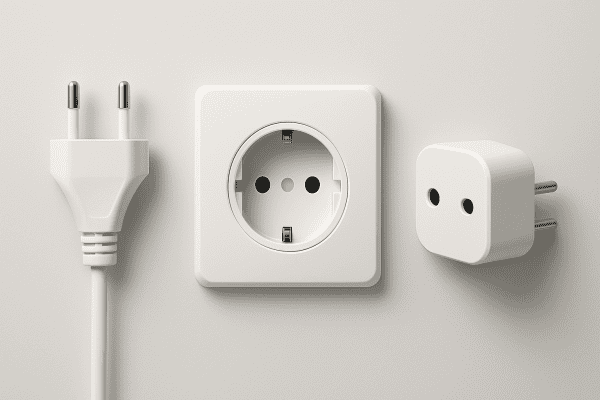
When you really need to understand the topic of electric boat motor prices
Those looking for information on electric boat motor prices often think they only need to compare the cost of the propulsion system. In reality, in onboard practice, the critical point is another: the compatibility of the electrical system with lights, lamps, plugs, and sockets. This is where many recurring problems arise, especially when upgrading an already equipped boat or replacing components at different times.
An electric motor may seem like the center of the system, but if the connections are inconsistent, if the lamps draw power unexpectedly, or if the sockets are not suitable for the marine environment, the user experience quickly worsens. For this reason, research related to electric boat motor price compatibility should be interpreted more broadly: not just how much to spend, but how to avoid mistakes that cause premature replacements, malfunctions, and unreliable installations.
In a nautical context, lights and connections are not secondary accessories. They lights affect visibility and the management of onboard spaces; the beacons must integrate with the rest of the system without causing leaks or false contacts; plugs and sockets must ensure continuity, ease of connection, and durability over time. If even one of these elements is poorly chosen, the evaluation of the motor is also skewed.
Prima di acquistare o sostituire qualsiasi componente, conviene esaminare il sistema come un insieme. Un buon punto di partenza può essere consultare risorse dedicate a elettricità di bordo, strumentazione nautica e componenti per impianti elettrici, così da impostare una scelta coerente fin dall’inizio.
Differences between solutions, sizes, or compatibility for lights, lamps, plugs, and sockets
When comparing different solutions, the most common mistake is to evaluate components as isolated elements. In reality, lights, lamps, plugs, and sockets must communicate with the electric motor and the rest of the system. This applies both to new installations and partial refits.
Onboard lights: size is not the only thing that matters
Lights are often chosen based on shape, position, or aesthetics. However, in terms of compatibility, you also need to consider:
- type of connection provided by the existing system;
- quality of contacts at connection points;
- protection from moisture and salt spray;
- consistency with the existing wiring.
A well-designed light but mounted on deteriorated wiring or an unsuitable socket can cause intermittent problems, irregular lighting, or premature wear. If you are not sure about compatibility, check the product sheet and compare the type of connection with the one actually present on board.
Headlights: pay attention to the mounting point and wiring
I beacons require special attention because they often operate in exposed areas. The problem is not only to fix them correctly but to avoid the electrical connection becoming the weak point of the installation. Among the most frequent cases:
- cables too tight or unprotected in passages;
- improvised connections near splash-prone areas;
- adaptations between connectors that are not perfectly compatible;
- failure to check the mounting direction or the area of use.
In many cases, those who look for electric boat motor prices focus on the main component and neglect the fact that a poorly installed headlight can generate small repeated faults, difficult to diagnose. The result is a wrong perception of the entire system: it is thought that the problem is in the engine or the main power supply, while the origin is in a secondary connection.
Plugs and sockets: the real pivot of compatibility
Among all the components mentioned, plugs and sockets are often the most underestimated. Yet they represent the point where discontinuities, oxidations, and incorrect couplings most easily occur. A socket not suitable for the environment or a plug chosen just “because it fits” can compromise the operation of headlights, accessories, and dedicated lines.
When talking about electric boat motor price compatibility, this aspect is decisive: an inconsistent connection can force you to redo part of the wiring, replace adapters, or review the electrical distribution. In other words, the real cost of a wrong choice does not depend only on the purchased component but on the work needed to correct the error.
Per orientarti meglio tra connessioni e accessori, può essere utile approfondire temi collegati come prese nautiche e fanali e luci per barca, così da verificare se la configurazione che hai in mente è davvero coerente con il tuo impianto.
Mistakes to avoid in choice or assembly
Most problems do not arise from obvious defects, but from small accumulated incompatibilities. Here are the most common mistakes to avoid when working on a system that includes electric motor, lights, headlights, plugs, and sockets.
Choosing components without mapping the existing system
Before purchasing, it is essential to understand how the onboard system is built. Many users replace only one element without checking:
- type of connectors already installed;
- condition of cables and branches;
- presence of previous adaptations;
- consistency between dedicated lines and shared lines.
If this check is missing, the risk is buying a theoretically correct component but not integrable without modifications. This leads to wasted time, returns, and temporary installations that over time become sources of faults.
Using adapters as a definitive solution
Adapters can be useful during testing or in particular situations, but they should not become the automatic answer to every incompatibility. In the nautical environment, every additional interface is a potential critical point. If plugs and sockets were not designed to work together, the adaptation can introduce play, unstable contacts, or unwanted exposure to external agents.
When possible, it is preferable to choose natively compatible components. If you have doubts, check the product sheet the type of connection provided and assess if the existing wiring can accommodate it without forcing.
Neglecting the actual position of lights and headlights
Another common mistake concerns mounting in unsuitable areas. An internal light installed near points subject to condensation or a headlight mounted without protecting the cable passage can cause problems even if the product is correct. The position affects durability, reliability, and ease of maintenance.
In practice, it is not enough to ask if a component “works,” but if it works well in the place where it will be installed. This approach reduces recurring problems and makes any comparison related to electric boat motor prices more meaningful.
Ignoring initial incompatibility signals
There are symptoms that should never be underestimated:
- intermittent light ignition;
- headlights that only work when moving the cable;
- sockets with uncertain or too loose fitting;
- plugs that require abnormal pressure to connect;
- connections showing signs of early wear.
These signals almost always indicate imperfect compatibility or assembly that needs to be reviewed. Acting immediately prevents a local problem from turning into a more widespread malfunction of the system.
Products and categories to consider for a more consistent choice
In a serious evaluation, it is not advisable to start from the single item, but from the functional categories that make up the system. This helps to understand where incompatibilities may arise and which elements deserve preliminary inspection.
Lighting components
The categories related to lights include solutions for interiors, exteriors, and service points. The correct criterion is not only aesthetic or dimensional, but integration with wiring and available power points. A well-chosen light must fit into the system without requiring improvised adaptations.
Lights for exposed configurations
I beacons deserve a separate evaluation because their usage context is more critical. Besides the light body, the cable routing, type of connection, and ease of inspection over time must be considered. A correct choice also simplifies any future replacements.
Electrical connections and interface accessories
The category of plugs and sockets often determines the overall quality of the installation. Here it is important to check shape, coupling system, connection protection, and compatibility with existing cables. If your goal is to avoid purchase errors, this is one of the areas to check most carefully.
Per chi sta confrontando varie opzioni, è utile consultare anche contenuti collegati su accessori elettrici nautici, così da costruire una visione d’insieme e non limitarsi al singolo componente.
How to read compatibility without falling into misunderstandings
The word “compatible” is often interpreted too generically. In reality, it can refer to different levels:
- mechanical compatibility of the assembly;
- connector compatibility;
- compatibility with existing wiring;
- compatibility with the onboard usage context.
For this reason, when analyzing a solution in relation to electric boat motor price compatibility, do not stop at the commercial description alone. Always check if the component is suitable for your actual setup. If information is not explicit, check the product sheet.
A practical method is to prepare a small checklist before purchase:
- where the component will be installed;
- what connection the system currently uses;
- if there are signs of wear on cables, plugs, or sockets;
- if the new element replaces or integrates an existing component;
- if access for installation and maintenance is easy.
This simple procedure helps avoid the most costly errors in terms of time, corrective actions, and unexpected replacements.
Recommended products

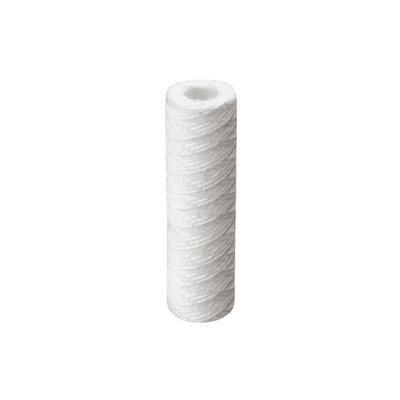
 10" Wound Wire Cartridge 20 micron – code: 10MP20 – Idromar
 Brush with spring - code: SGM45 - Gianneschi Pumps and Blowers
 Stainless steel clamps Norma 12–22 mm – code: FAI0012022 – Toscogomma


How to avoid recurring problems after installation
Once the right components are chosen, the job is not finished. Many problems arise after installation because basic checks are not performed. To reduce risk, it is advisable to immediately verify:
- stability of the connection between plugs and sockets;
- absence of abnormal voltages on cables;
- correct positioning of lights relative to the usage area;
- protection of the most exposed passages;
- accessibility of connection points for future inspections.
An orderly system is also easier to diagnose. If an anomaly appears in the future, it will be easier to understand whether it depends on a light, a lantern, or a connection. Conversely, a confusing installation makes every check slower and increases the risk of replacing the wrong component.
If you are considering an upgrade of the system or want to reduce errors in choosing lights, lanterns, plugs, and sockets, explore the dedicated categories and compare the available solutions based on real compatibility with your boat. A thorough check today helps you avoid recurring problems tomorrow and better navigate the options in the Technofluid catalog.
FAQ
How to understand if lights and headlights are compatible with the boat's system?
You need to check the type of connection, the existing wiring, the mounting point, and the conditions of use. If a detail is not clear, check the product sheet.
Why do plugs and sockets so often cause problems on board?
Because they are connection points exposed to moisture, vibrations, and wear. If the coupling is not correct or the assembly is rough, false contacts and interruptions may occur.
What does electric boat motor prices compatibility really mean?
It means evaluating not only the engine but also the consistency between connections, lights, headlights, and sockets. An apparently convenient choice can become problematic if it requires adaptations or modifications to the system.
Is it a good idea to use adapters between different plugs and sockets?
Only in specific cases and with caution. As a definitive solution, they can introduce additional critical points. When possible, it is better to choose natively compatible components.
What signs indicate a compatibility problem after installation?
Intermittent ignitions, unstable connections, live wires, headlights that work intermittently, or sockets with uncertain connections are signs not to ignore.