


What is the purpose of choosing lights and headlights well
When talking about lights and headlights, the most common mistake is to consider them a simple, almost automatic purchase. In reality, a rushed choice can cause wasted time, avoidable returns, complicated installations, and more frequent maintenance than expected. In a professional context, this means stopping activities, slowing down interventions, and having to return multiple times to the same job.
A good guide lights and lamps starts from a practical principle: it is not enough to find a component “similar” to the one to be replaced. It is necessary to verify in advance the intended use, compatibility, fixing methods, connections, and operating conditions. Only in this way are errors reduced which, when added up, become indirect costs.
Lights and headlights are often involved in applications where reliability and continuity matter more than the speed of purchase. For this reason, it is useful to think in terms of scenarios:
- replacement of a worn component, when the goal is to restore functionality without modifications;
- system upgrade, when looking for a solution better suited to the operational context;
- new installation, where every detail must be checked before installation;
- integration with spare parts and accessories, to avoid incompatibilities between supports, connections, and fixing points.
Chi acquista senza una verifica iniziale tende a concentrarsi solo sull’aspetto esterno o sulla forma generale. Invece, è utile considerare il componente come parte di un sistema. Se vuoi approfondire il metodo di selezione dei ricambi in base all’applicazione, può essere utile consultare le guide tecniche del catalogo e confrontare le informazioni con la scheda del prodotto che stai valutando.
Another often underestimated aspect concerns the real usage context: dust, vibrations, humidity, frequency of switching on, mounting position, and accessibility during replacement. All elements that affect the choice and make the lights and lamps maintenance much easier if addressed before ordering.
Compatibility, measurements, and technical checks for lights and headlights
Compatibility is the point where it is decided whether the purchase will be straightforward or problematic. Before ordering, it is advisable to gather all available information about the component to be replaced and the system on which it will be installed. There is no need to improvise: just follow a clear checklist.
What to check before ordering
- External dimensions and encumbrances: even minimal differences can prevent correct installation.
- Pitch and fixing points: this is one of the most frequent reasons for returns or forced adaptations.
- Type of connection: check the shape, position, and compatibility of the connection.
- Mounting orientation: right, left, vertical, horizontal or specific position.
- Intended use: the component must be consistent with the intended application.
- Necessary accessories: seals, supports, brackets or finishing elements, if required.
When a detail is not clear, the best rule is simple: check the product sheet. If you are replacing an already installed component, it can be helpful to note the actual measurements, photograph the part from multiple angles, and compare the connection points before proceeding.
Many errors arise from only checking the visible part. Instead, true compatibility depends on less obvious elements: depth, available rear space, cable passage, existing support, and fixing methods. If the component fits but does not connect properly, the problem remains.
Measurements: why “looks the same” is not enough”
In daily work, it is common to rely on visual experience. It is useful, but not always sufficient. Two headlights with a similar appearance can have differences that only emerge during assembly. For this reason, it is advisable to always measure:
- width, height, and depth;
- distance between fixing holes;
- bulk of the rear part;
- usable space for cables and connections;
- any supports or brackets already present.
Se stai lavorando su una sostituzione rapida, una verifica preventiva evita il classico scenario in cui il componente arriva, viene provato, non combacia e costringe a fermare tutto. Per orientarti tra ricambi, componenti correlati e soluzioni compatibili, può essere utile esplorare le sezioni dedicate ai ricambi e confrontare i dati tecnici disponibili.
Technical checks that save time
A good procedure does not have to be complicated. A few steps are enough if performed in order:
- identify the component to be replaced and its actual use;
- take measurements and fixing methods;
- check the type of connection present;
- verify if mounting or adaptation accessories are needed;
- compare everything with the product sheet before purchase.
This approach reduces “trial” purchases, which often generate more time loss than imagined. In a store-driven logic, the buying guide is not only to choose: it is to choose well the first time.
Typical errors in ordering or installation
The most costly mistakes are not always the obvious ones. They often arise from small omissions that, taken individually, seem negligible. The result is a purchase that on paper appears correct, but in practice requires adaptations, replacements, or a new order.
Error 1: buying based on the image alone
Images help, but they cannot replace technical verification. A component may look correct and then turn out to be incompatible due to mounts, space, or orientation. The photo should always be read together with the description and the reported data. If some information is missing or uncertain, check the product sheet.
Error 2: ignoring the installation context
A light suitable in abstract may not be so in the exact spot where it must be installed. The available space, the position of the wiring, the presence of existing supports, and accessibility for fastening influence the final result. Neglecting these aspects often means having to disassemble, adapt, or postpone the intervention.
Error 3: forgetting accessories and related components
Uno degli errori più frequenti riguarda l’ordine incompleto. Si acquista il componente principale ma non si controlla se servono elementi aggiuntivi per il montaggio o la sostituzione. Questo allunga i tempi e crea una seconda fase d’acquisto che poteva essere evitata. Per una panoramica più ordinata degli articoli collegati, puoi consultare le categorie correlate del catalogo.
Error 4: forcing the installation
When a component does not fit perfectly, the temptation to adapt it is strong. But forcing fastenings, connections, or positioning often leads to an unstable result and more frequent maintenance. If the installation requires unforeseen modifications, the best choice is to stop and recheck compatibility.
Error 5: neglecting future maintenance
An apparently correct choice can become inconvenient over time if maintenance is not considered. Difficult access, impractical disassembly, messy wiring, or awkward fastenings make every subsequent intervention slower. The lights and lamps maintenance starts already at the selection stage: choosing well also means making tomorrow’s work easier.
For those managing recurring purchases or scheduled replacements, it is advisable to define an internal standard: measurement survey, photos, connection check, accessory verification, and comparison with the technical sheet. It is a simple method but concretely reduces repeated errors.
Products, spare parts, and accessories useful for a more complete choice
In a store-oriented guide, the point is not only to find the main component but to build a selection consistent with the real installation. For this reason, when evaluating lights and headlights, it is useful to also consider related spare parts and accessories, without waiting for the need to emerge once installation has started.
The right questions to ask are:
- is it just a replacement or also a system upgrade?
- are there fastening elements to check?
- is the existing connection compatible?
- are there worn parts that should be replaced together?
- will future installation be easy to manage in maintenance?
This approach avoids fragmented orders and improves operational continuity. In many cases, in fact, the problem is not the main component but everything around it: supports no longer efficient, connections to be reviewed, non-recoverable mounting elements, or spare parts that would have been useful to have already available.
A guide lights and lamps davvero utile non si limita quindi alla scelta iniziale, ma aiuta a prevedere il ciclo completo: selezione, installazione, controllo e sostituzione futura. Se vuoi approfondire come orientarti tra famiglie di articoli e soluzioni complementari, puoi vedere anche le pagine dedicate ai componenti per installazione e gli approfondimenti sui ricambi compatibili.
Another advantage of a complete selection is the reduction of operational interruptions. Having a clear idea of what may be needed, also as support for installation, allows for more linear intervention with fewer unforeseen events. It does not mean buying more but buying with more criteria.
Moreover, when the goal is to standardize procurement, it is advisable to always use the same verification method. This also makes it easier to compare different options available in the store and helps avoid purchases based only on the urgency of the moment.
Recommended products
Go to the Lights and Headlights category
 12 LED G4 Bulb Ø 30 mm side mount – code: 14.450.01 – Osculati
 LED BAY15D bulb offset pins for navigation lights 12-24 V 2.5 W – code: 14.444.01 – Osculati
 White body light 12 V, 135° stern, white light <20 m, model Stella Polare – code: L5774580 – Trem
 White body light 12 V, 135° stern, white light <12 m, mod. Ministar – code: L5974580 – Trem
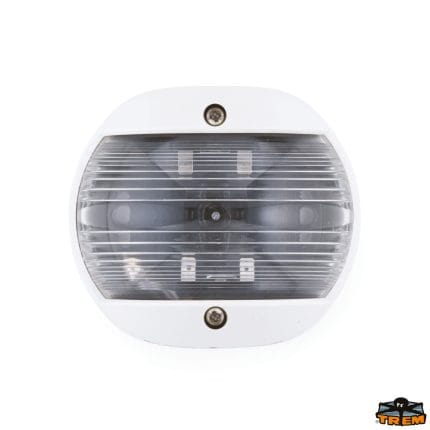 White body light 12 V, 225° bow, white light <20 m, model Stella Polare – code: L5774560 – Trem
 SMD G4 Bulb 12/24 V rear socket – code: 14.450.10 – Osculati
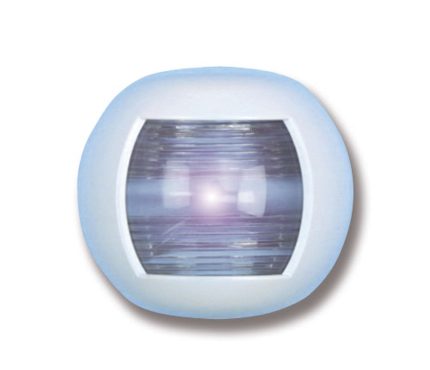 Halogen starboard bow light 12v white color model – code: L5874563 – Trem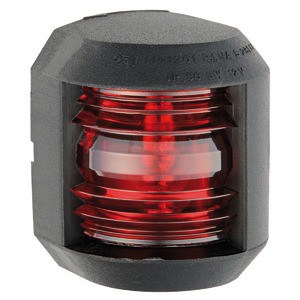
How to use a lights and headlights guide for faster purchases and fewer mistakes
If you have to choose quickly, the solution is not to rush more, but to check better. An essential procedure can make the difference between a correct order and a redo. Here is a practical outline to apply every time:
- Observe the existing component and identify its role in the installation.
- Collect measurements and photos of the mounting points and connections.
- Check the usage environment and the conditions in which the component operates.
- Check in the product sheet all available details.
- Consider useful spare parts and accessories to avoid subsequent orders.
- Think about future maintenance, not just for immediate installation.
Following these steps helps turn the purchase into a more informed choice. And this is exactly where a well-constructed guide adds value: not only in product research but in reducing errors that waste time and money.
If you are evaluating the most suitable solution for your system or for a quick replacement, explore the dedicated category and the brands available in the store: you will find useful references to compare options, check compatibility, and set up a more precise purchase from the very first step.
FAQ
How to check the compatibility of lights and headlights before ordering?
It is advisable to check measurements, fixing centers, mounting orientation, type of connection, and available space. If a detail is unclear, check the product sheet and compare it with the component already installed.
What is the most common mistake when buying lights and headlights?
The most common is to choose based solely on the image or aesthetic similarity. In many cases, the problem only arises during assembly, when fastenings, dimensions, or connections do not match.
Why should maintenance be considered already at the selection stage?
Because a component that is difficult to reach or disassemble slows down all subsequent interventions. Assessing accessibility, fastening, and connections in advance helps simplify future maintenance.
Does it make sense to order accessories and spare parts together with lights and headlights?
Yes, especially when assembly requires supports, fasteners, or connected components. A preliminary check reduces the risk of incomplete orders and operational downtime due to missing parts.
How to use guide lights and headlights practically?
The most useful way is to follow a checklist: identify the component, take measurements, photograph the connections, check the mounting context, and compare everything with the product sheet before purchasing.


