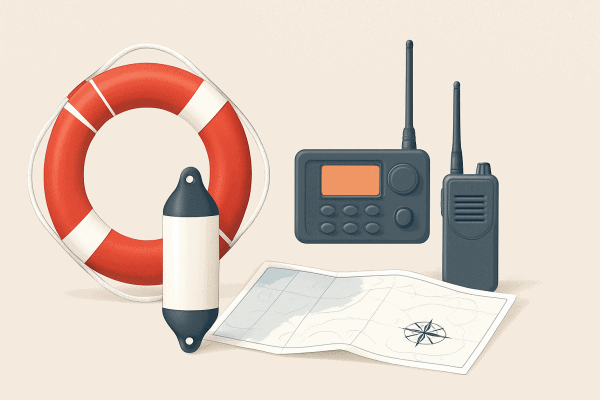
What the safety kit is for and when to really intervene
A safety kit it is not just a simple set of components to keep in stock: it is a solution designed to protect people, systems, and operational continuity in contexts where reliability and control make the difference. In a professional setting, understanding whether it is worth replacing a kit, repairing it, or planning a maintenance safety kit regular maintenance helps avoid unexpected downtime, management errors, and poorly targeted purchases.
The correct choice depends on several factors: condition of use, frequency of use, environmental conditions, compatibility with the system, and availability of spare parts or accessories. Therefore, there is no single answer valid for everyone. An safety kit guide effective approach starts precisely here: observing the real context and deciding the most sensible intervention based on operational needs.
In many cases, scheduled maintenance is the most efficient path because it allows periodic checks of components subject to wear and intervention before the problem becomes blocking. In other situations, however, a repair may be sufficient if the kit is still compatible with the system and the degradation concerns only replaceable parts. When incompatibilities, widespread wear, or difficulties in restoring functions are noticed, complete replacement often becomes the most straightforward solution.
To navigate among categories, applications, and connected components, it can be helpful to consult the available technical guides or explore the solutions for system maintenance in order to better assess the overall picture.
Signs indicating the need for a check
There are some recurring clues that suggest not postponing a check:
- installation difficulties compared to the past;
- visible wear on external parts or connection points;
- irregular operation during use;
- frequent corrective interventions that repeat over time;
- doubts about compatibility with recently updated or replaced components.
When these signs appear together, it is advisable to avoid improvised solutions and plan a more structured check. Even a kit that appears still usable can hide critical issues that emerge only during work.
Safety kit: replace, repair, or perform scheduled maintenance?
The decision between replacement, repair, and scheduled maintenance should be made by evaluating the operating cost of downtime, the availability of components, and the actual reliability of the kit over time. Repairing does not always mean saving money, just as replacing is not always the most efficient choice.
When it is convenient to replace the safety kit
Replacement is often advisable when the kit shows extensive wear, when multiple elements are compromised, or when compatibility with the system is no longer optimal. It is also a sensible choice if the necessary spare parts are difficult to find or if restoration would require repeated interventions in the short term.
In practice, it is worth considering replacement when:
- the kit has already undergone multiple repairs over time;
- the components show generalized degradation;
- the installation is no longer as straightforward as expected;
- the system it is connected to has been updated;
- rapid restoration of operability is needed.
In these cases, a new solution can offer simpler management and reduce the risk of closely spaced corrective interventions. Before purchasing, always check the product sheet for useful information on application, compatibility, and related accessories.
When repair is still a valid choice
Repair makes sense if the problem is localized and concerns replaceable elements without compromising the reliability of the rest of the kit. It is a useful approach especially when the main structure is in good condition and the intended use has not changed.
Repair can be convenient if:
- the defect is localized;
- the kit is still fully compatible with the system;
- adequate restoration components are available;
- there are no signs of widespread deterioration;
- the intervention can be carried out without forced adaptations.
However, be careful of a common mistake: focusing only on the damaged part without checking the rest of the assembly. A safety kit works as a system, so effective repair always requires an overall assessment.
Why scheduled maintenance of the safety kit reduces problems
The maintenance safety kit Scheduled maintenance is often the most balanced strategy for those who want to prevent failures, maintain order in technical management, and spread necessary interventions over time. It does not mean intervening without reason, but creating a control routine that allows early detection of wear, looseness, anomalies, or incompatibilities.
Well-organized maintenance helps to:
- reduce unplanned downtime;
- keep the kit in more reliable operating conditions;
- schedule any replacements more clearly;
- avoid urgent orders dictated by emergencies;
- improve spare parts management.
For those working with multiple plants or workstations, this approach is particularly useful because it allows standardizing checks and simplifying the reordering of related components.
Compatibility, measurements, and technical checks of the safety kit
One of the most underestimated aspects when purchasing or replacing a safety kit concerns the preliminary technical verification. Many problems arise not from a product defect, but from an incomplete assessment of measurements, fittings, dimensions, mounting conditions, or intended use.
Before ordering, it is useful to gather some basic information:
- type of plant or application;
- current system configuration;
- useful dimensions and available space;
- connection methods;
- any components already present to integrate or replace.
If a detail is not clearly indicated, check the product sheet. This step is essential to avoid returns, lost time, and installations inconsistent with the operational context.
Measurements to check before ordering
Measurements should not be read as isolated data. Even when the component seems similar to the one already in use, there may be differences that affect mounting or integration with the rest of the system. For this reason, it is important to check:
- overall dimensions;
- connection points;
- mounting orientation;
- space required for installation and maintenance;
- any accessories essential for correct use.
A thorough check before ordering avoids improvised adaptations, which often lead to reduced reliability or extended intervention times.
Compatibility with existing spare parts and accessories
Another critical point concerns the coexistence between the new kit, the available spare parts, and the accessories already installed. In many cases, the problem is not the single component, but the whole. A kit may be correct on paper and still create difficulties if inserted into a configuration not verified in detail.
For this, it is useful to compare the kit with the available technical documentation and, if necessary, consult the section dedicated to spare parts or compatible accessories to have a more complete overview of the possible combinations.
Typical errors in ordering or installing the safety kit
Many critical issues do not depend on the product itself, but on repeated errors during the selection or assembly phase. A good safety kit guide should help precisely to prevent these scenarios, which generate delays, returns, and additional interventions.
Ordering based solely on visual similarity
One of the most frequent mistakes is choosing a kit because it looks similar to the one already installed. In reality, minimal differences can affect real compatibility. Relying only on photos, general shape, or purchasing habits can lead to inaccurate selection.
It is better to always verify application, connections, measurements, and technical notes present in the product sheet.
Neglecting the usage context
A safety kit must also be evaluated based on the environment and frequency of use. Different operating conditions may require different attention in terms of maintenance, replacement of wear-prone components, and periodic inspection of the assembly.
Ignoring the context often leads to two opposite extremes: replacing a still valid kit too early or continuing to use a configuration that would require a more decisive intervention.
Installing without a complete system check
Another common mistake is intervening on the kit without checking the connected elements. If the system shows anomalies or if other components are already worn, even a new or repaired kit may not really solve the problem.
For this reason, before installation, it is advisable to check:
- general condition of connection points;
- presence of wear on nearby components;
- correctness of positioning;
- consistency between the chosen kit and the actual configuration;
- need for additional accessories.
A systemic check reduces errors and improves the quality of the intervention, especially in professional contexts where system downtime affects work organization.
Products, spare parts, and accessories useful for managing the safety kit
When talking about maintenance safety kit, one should not think only about replacing the complete kit. Often the most effective management arises from an intelligent combination of kits, spare parts, and accessories that allow the system to remain efficient over time.
The choice of connected components should start from three practical questions:
- which parts are subject to more frequent wear;
- which elements are worth keeping available for quick interventions;
- which accessories can simplify installation, control, or restoration.
In a professional approach, the value lies not only in the purchased product, but in the management continuity. Having an overview helps avoid fragmented orders and build a consistent supply for your system.
To delve deeper into the topic, it can be helpful to consult the categories dedicated to related components and the pages of the brands handled, so as to better navigate among compatible solutions and integration possibilities.
How to organize a useful stock without waste
A well-thought-out stock does not mean accumulating components indiscriminately. It means identifying what is really needed based on usage frequency, system criticality, and the usual timing of inspections.
A practical criterion is to distinguish between:
- components to monitor, which require periodic checks;
- spare parts to keep available, components useful for quick restorations;
- support accessories, components that facilitate assembly and maintenance.
This approach helps reduce impulsive purchases and improves the ability to intervene in an orderly manner when a real need arises.
How to set up a control routine for the safety kit guide
A good safety kit guide does not just explain what to buy, but also helps define a verification method over time. The ideal routine varies depending on the context, but should always include visual checks, comparison with previous conditions, and recording of recurring anomalies.
A simple approach can include:
- periodic verification of the general condition of the kit;
- checking connection points and the most exposed parts;
- noting abnormal signs or interventions performed;
- assessing the need for spare parts or accessories;
- deciding between repair, maintenance, or complete replacement.
The real difference is made by continuity. Even quick checks, if performed regularly, allow problems to be detected that would otherwise only emerge at a critical stage.
Recommended products
Go to the Safety Kits category

 France Kit category 3rd/4th/5th – code: 35.446.10 – Osculati
 Empty duffle bag for 4 persons - Code: 22.409.37 - Osculati
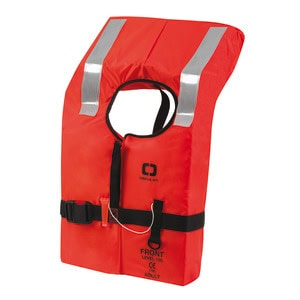

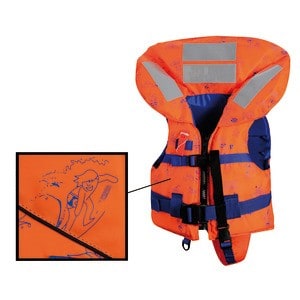 Lifebuoy SV-150 N less than 15 kg - Code: 22.482.45 - Osculati

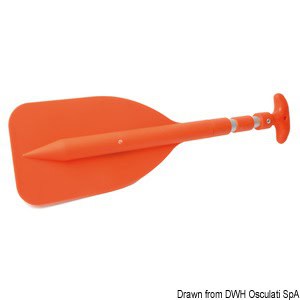
If you are considering which solution to adopt for your safety kit, explore the relevant category or the brand best suited to your system: you will find options, spare parts, and accessories useful for setting up a more organized, reliable, and consistent management with your operational needs.
FAQ
When is it better to replace a security kit instead of repairing it?
It is advisable to consider replacement when wear is widespread, when the kit has already required multiple corrective interventions, or when compatibility with the system is no longer clear. If the restoration involves multiple parts and not just an isolated element, complete replacement may be the most straightforward choice.
Is scheduled maintenance of the safety kit really useful?
Yes, because it helps to identify signs of wear, connection anomalies, and spare parts needs in advance. A routine check reduces the risk of sudden downtime and allows for a clearer decision on whether to proceed with a repair or a replacement.
What checks to make before ordering a safety kit?
Before ordering, it is useful to check the application, dimensions, space requirements, connection points, and compatibility with existing components. If some details are unclear, check the product sheet to avoid selection or installation errors.
What is the most common mistake when choosing a security kit?
One of the most common mistakes is choosing the kit based solely on visual similarity to the one already installed. Even seemingly minimal differences can affect assembly and integration with the system, so it is always better to check the available technical data.
How to understand if spare parts or accessories are also needed along with the safety kit?
If the kit needs to integrate with an existing system, it is useful to check the status of the connected components and assess if there are parts subject to wear that are better managed together. In many cases, spare parts and accessories help make the intervention more complete and simplify future maintenance.