When it really matters to consider the topic of water pipe prices
Talking about water pipe prices in the nautical field does not mean stopping at a superficial comparison between similar items. In fact, the cost of replacing or maintaining a water pipe mainly depends on compatibility, material quality, ease of installation, and operating conditions. On a boat, the water system works in a more exposed environment compared to a domestic one: vibrations, humidity, limited space, complex passages, and the presence of fittings subject to continuous stress.
The right time to address the topic is not only when an obvious leak occurs. Often the signs come earlier: pipe stiffening, small seepages near fittings, unusual odors, flow reduction, or difficulty maintaining a stable flow. In these situations, waiting can turn ordinary maintenance into a more invasive intervention.
Those looking for information on plumbing and nautical fittings usually has a concrete need: to understand whether it is worth replacing a section, redoing a line, or checking the entire system. For this reason, it is useful to observe the system as a whole, not just the pipe. An apparently intact component may be mounted on unsuitable fittings, on too tight bends, or in areas where it rubs against other parts of the boat.
In many cases, the comparison related to water pipe prices compatibility arises precisely from this: two solutions may seem equivalent, but they vary greatly depending on the internal diameter, the type of fitting used, the required flexibility, and the mounting context. If the replacement is not consistent with the rest of the system, the initial saving can result in an early replacement.
A good approach is to check:
- the general condition of the water lines on board;
- the presence of kinks, crushes, or tension points;
- the tightness of fittings in less accessible areas;
- the consistency between pipe, clamps, and connections;
- any wear due to heat, friction, or aging.
If you are planning a system overhaul, it may be useful to also explore the section dedicated to components for plumbing systems and consult an overview on fittings and connecting accessories, so as to evaluate all the involved elements together.
Differences between solutions, sizes, or compatibility of the water pipe
One of the most common mistakes is thinking that one water pipe is the same as another. In reality, when analyzing the topic water pipe prices, the real difference is not only in the product range but in its compatibility with the existing system. This aspect affects durability, ease of installation, and system stability over time.
Compatibility with existing fittings and passages
The first check concerns the connection with fittings, branches, bends, and terminals already present. A pipe that is not perfectly compatible may require untidy adaptations, increase the risk of leaks, or create mechanical stresses at the joints. Within the scope of the plumbing and nautical fittings, these differences matter more than they seem, especially where spaces are tight and the assembly must remain reliable over time.
Before choosing, it is advisable to check the product sheet:
- intended type of use;
- compatible diameters;
- recommended materials for fittings;
- any installation limits;
- indications on flexibility and bending radius.
Correct measurements and tolerances not to be underestimated
An apparently close measurement is not always sufficient. Even small differences can compromise the seal or make assembly more difficult. This is where research on water pipe prices compatibility becomes really useful: not to find a generic solution, but to avoid spare parts that require forcing or improvised adaptations.
On board, moreover, the pipe route is rarely linear. Passages behind bulkheads, tight bends, areas subject to vibration, and proximity to other systems make it essential to choose a solution consistent with the actual layout. A pipe that is too rigid can stress the fittings; one that is too soft can bend or crush at critical points.
Materials and behavior in the nautical environment
In the nautical sector, the pipe material affects behavior over time. It is not just about general resistance, but about response to humidity, thermal shocks, intermittent use, and contact with surfaces that can promote abrasion. For this reason, when comparing alternatives, it is useful not to stop at the external appearance or immediate availability alone.
Those reviewing the system can combine the choice of pipe with a check of the connections, also consulting content on solutions for water distribution on board or a practical guide on how to choose compatible hydraulic fittings.
Mistakes to avoid in choice or assembly
Many problems attributed to the pipe actually depend on a rushed choice or incorrect installation. In a nautical system, even seemingly minor details can affect overall sealing. Here are the most common mistakes to avoid.
Choosing based only on water pipe price comparison
Price is a useful parameter, but it cannot be the only criterion. A pipe compatible with one system and unsuitable for another can cause leaks, premature wear, or the need to redo the work in a short time. The real comparison must be made between conditions of use, pipe route, existing fittings, and ease of assembly.
Ignoring the condition of already installed fittings
Replacing only the pipe without checking the fittings is one of the most common causes of recurring problems. If the connection is worn, deformed, or no longer stable, even a new pipe may not work correctly. Within the scope of the plumbing and nautical fittings, pipe and fitting must be considered as a single system.
Forcing bends and tight passages
When the pipe is bent beyond its natural behavior, the internal section can reduce or the material can be abnormally stressed. This often happens in hard-to-access technical compartments, where there is a tendency to “make it pass anyway.” The result is a less efficient and more vulnerable system over time.
Using inconsistent fastenings or tightening
Excessive tightening can damage the pipe or deform the contact point; too weak can promote micro-leaks. The positioning of the clamps and how the pipe is supported along the route also make a difference. If the component vibrates, rubs, or remains under tension, wear tends to accelerate.
Ignoring initial signs of deterioration
There are symptoms that should not be ignored:
- hardened or cracked surface;
- traces of moisture near joints;
- variations in water flow;
- unusual odors in the technical area;
- signs of rubbing against bulkheads or supports;
- pipe appearing crushed in one or more points.
Intervening at this stage is often easier than waiting for an actual leak. If you have doubts about the correct configuration, check the product sheet and compare the component with the actual system layout.
Products and categories to consider for hydraulics and marine fittings
When considering a replacement or upgrade, it is advisable to think in terms of functional categories, not by isolated single parts. This approach helps to better understand the relationship between water pipe prices and overall system reliability. In many cases, in fact, the problem does not arise from the pipe alone but from the interaction between multiple components.
The categories to keep under observation are generally:
- water distribution pipes, to be chosen based on the route and compatibility;
- straight, curved, or branch fittings, to be evaluated according to the available space;
- clamping and fastening elements, essential to keep the connection stable;
- accessories for the orderly passage of lines, useful to reduce rubbing and tension;
- complementary components of the water system, to check if the intervention involves multiple sections.
This is why the research water pipe prices compatibility only makes sense if included in a broader evaluation. A pipe perfectly suitable on paper can become a weak choice if connected to inconsistent fittings, installed in a compartment with too tight bends, or forced into a path unsuitable for its characteristics.
To better guide you, it can be useful to also explore onboard system maintenance accessories and other insights dedicated to connections between water lines and fittings. This way you can compare options with a more technical and less improvised logic.
Another important aspect is planning the intervention. If you are dismantling part of the system, take the opportunity to check hidden points, less ventilated areas, and passages where the pipe may have been twisted. Often the most effective maintenance comes precisely from a careful visual inspection, accompanied by a consistent choice of components.
Finally, remember that in the nautical field, system continuity matters as much as the quality of the individual element. For this reason, when choosing between different solutions, it is always preferable to prioritize system consistency, ease of assembly, and real compatibility. If a detail is unclear, the correct reference is always the product sheet.
Recommended products
Go to the Hydraulics and fittings category
 1/2"x3/8" anti-siphon valve in CR anti-corrosion brass – code: *7083D – Maestrini
 1" manifold for anti-siphon valve in corrosion-resistant CR brass – code: 7085F – Maestrini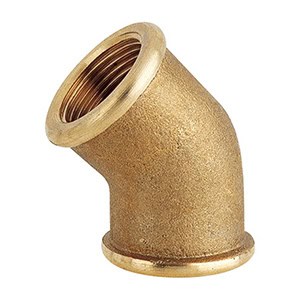
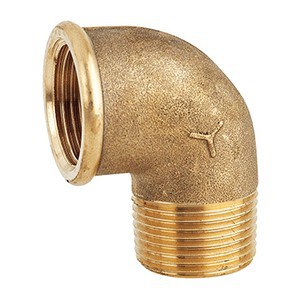
 Reduced sleeve F.M. 3/8 "x1/4" anti-corrosion brass CR - code: 7246C*B - Maestrini

Signals not to ignore before replacing a water pipe
Not all problems manifest with an obvious leak. In many cases, the system sends progressive signals that allow intervention before the fault becomes more serious. Recognizing them in time helps better manage maintenance, spare parts selection, and comparison between alternatives.
The most useful signals to monitor are:
- recurring moisture near fittings or technical passages;
- material hardening, especially in the most exposed sections;
- flow variations without apparent causes;
- signs of crushing due to incorrect bends or fastenings;
- surface abrasions caused by continuous contact with other parts;
- stagnant odor in areas where water lines pass.
These clues do not always indicate the same cause but deserve attention. In particular, if you are comparing options related to water pipe prices, consider that a replacement done at the right time is almost always more effective than a delayed intervention. The right choice comes from observing the actual system, not from an abstract evaluation.
If you want to update or restore the system with greater confidence, explore the category dedicated to pipes, components for plumbing and nautical fittings and compatible accessories: it is the easiest way to find the most suitable solution for your system and check the useful details in the product sheet before purchasing.
FAQ
When is it advisable to replace a water pipe on a boat?
It is advisable to intervene when you notice stiffening, micro-leaks, crushing, abrasions, or flow drops. Even in the absence of obvious breaks, these signs indicate that the tube may no longer be working properly.
How to evaluate water pipe prices without making the wrong choice?
The comparison must be made considering compatibility with fittings, installation path, required flexibility, and the condition of the existing system. Price alone is not enough to understand if a solution is truly suitable.
Why is compatibility so important in marine water pipes?
In the nautical field, spaces are limited and fittings often work under vibration. A tube not compatible with the diameters, connections, or bends of the system can create stress, leaks, and premature wear.
Is it enough to change only the tube if there is a leak?
Not always. If the leak is due to worn fittings, incorrect tightening, or forced passages, replacing only the hose may not solve the problem. It is better to check the entire affected section.
What checks to make before buying a spare part?
Check diameter, type of fitting, available space for passage, presence of tight bends, and general condition of the system. For specific technical details, check the product sheet.