


When talking about engine parts and oils in the nautical and industrial fields, the choice is not only about replacing a worn component. Operational continuity, system reliability, and maintenance quality over time are at stake. A well-structured guide helps to navigate between spare parts, consumables, and preliminary checks, avoiding unsuitable purchases or interventions carried out without proper technical control.
In contexts where engines operate with intensive cycles, in environments exposed to humidity, dust, vibrations, or variable loads, knowing the role of filters, gaskets, seals, service elements, and lubricants is essential. For this reason, a engine parts and oils guide must be practical: not only describing the categories but linking them to real applications on nautical and industrial systems.
Those who manage an engine room, a pumping group, an auxiliary engine, or a service line know well that effective maintenance arises from a combination of visual inspections, correct compatibility, and consistent material selection. From this perspective, the engine spare parts and maintenance oils become part of a broader strategy, not just a simple occasional purchase.
To deepen the context of applications on fluids, pumping, and connected components, it may also be useful to consult the technical guides on the blog e the insights on solutions for systems.
What engine spare parts and oils are for in nautical and industrial systems
The category of engine spare parts and lubricants serves to keep the system in stable operating conditions, reducing the risk of downtime and supporting regular operation. In practice, it is not just about replacing what is damaged, but about preserving the correct balance between mechanical parts, seals, and operating fluids.
On a nautical system, for example, the engine may be exposed to salt spray, condensation, and long periods of inactivity alternated with phases of intense use. In an industrial system, on the other hand, the issue may be continuous use, the presence of dust, or working in environments with variable temperatures. In both cases, spare parts and oils perform a concrete function:
- they protect moving parts from premature wear;
- they help keep the circuit clean when associated with the correct filtering elements;
- they promote system sealing through appropriate closing and sealing components;
- they support scheduled maintenance avoiding improvised interventions;
- they simplify system restoration in case of replacement of consumable parts.
The function of oils, in particular, should not be viewed in isolation. A lubricant works well only if the system is clean, if compatible components are correctly installed, and if there are no upstream anomalies, such as leaks, seepages, or contamination. For this reason, an effective choice always starts from an overall vision.
In a store-driven context, the category is also useful because it allows identifying in an orderly manner the families of components closest to one's system. Those planning an intervention can start from the section dedicated to engine maintenance spare parts or consult the categories dedicated to lubricants and service materials, in order to build an order consistent with the work to be performed.
Most common practical applications
The real applications of engine spare parts and oils are many. Some recurring examples:
- routine maintenance of engines installed on work or service marine units;
- restoration of engine groups used in auxiliary systems;
- interventions on industrial systems with engines coupled to pumps, compressors, or handling units;
- replacement of wear parts during scheduled shutdowns;
- inspection and renewal of service fluids during seasonal or periodic checks.
In all these cases, the value of the category lies not only in the breadth of the offer but in the possibility of finding components and materials consistent with the type of use.
Compatibility, measurements and technical checks before ordering
One of the most common mistakes is to consider a “similar” spare part as automatically suitable. In the field of engine parts and oils, compatibility must be carefully verified, because even a minimal difference in configuration can affect assembly or operation.
Before proceeding with the order, it is advisable to check some fundamental aspects:
- actual application of the component, that is, on which engine or subsystem it will be installed;
- dimensions and sizes, especially for sealing elements, filters, fittings, or interface parts;
- materials, to be evaluated based on the working environment and the fluid with which the component comes into contact;
- connections and fittings, which must correspond to the existing system;
- lubricant compatibility with the intended type of use; if necessary, check the product sheet.
In the nautical field, material verification is particularly important due to the aggressive environment. In the industrial field, instead, consistency with the work cycle and the engine group configuration often matters a lot. In both cases, the technical data sheet remains the first useful reference.
How to read a product sheet without errors
A good product sheet helps to understand if the spare part or oil is suitable for your system, but it must be read methodically. It is useful to focus on:
- description of the intended use;
- any compatibilities indicated by the manufacturer or catalog;
- main dimensions;
- construction materials or fluid characteristics;
- application notes and usage limitations.
If information is not explicitly stated, the correct behavior is not to take anything for granted. In these cases, check the product sheet or compare the data of the component to be replaced with those reported on the catalog page.
Useful checks before replacing oils and spare parts
Before changing a component or renewing the lubricant, it is advisable to perform some simple but decisive checks:
- check the general condition of the compartment or engine group;
- identify any leaks or abnormal residues;
- observe the level of dirt present at service points;
- check if the removed component shows irregular wear;
- verify that there are no previous modifications to the system that alter standard compatibility.
These steps help avoid a merely apparent replacement, where the part is changed but the cause of the problem is not solved.
Typical errors in ordering or installing engine spare parts and oils
Many problems arise not from the product itself, but from an incomplete order or installation carried out without preliminary checks. A engine parts and oils guide really useful one must therefore highlight the most common errors.
Ordering based on appearance and not data
Two components may look identical but have substantial differences in attachment, material, or intended use. Relying solely on a photograph or visual similarity is one of the most frequent mistakes. The comparison should always be made based on the available technical data.
Neglecting the usage context
A marine system and an industrial one do not impose the same operating conditions. Humidity, external agents, continuity of service, and type of load affect the choice of spare parts and oils. A correct component in one context may prove unsuitable in another.
Replacing the lubricant without checking the system
Changing the oil without verifying the condition of the circuit, the presence of contaminants, or the condition of connected elements can reduce the effectiveness of the intervention. The new lubricant does not compensate for mechanical problems, worn seals, or the presence of residues in the system.
Forgetting the complementary accessories
A well-made order does not only include the main component. Often complementary elements are also needed to complete the intervention correctly, such as gaskets, seals, or service materials. Forgetting them means interrupting the work or having to manage a second order.
Assembling without final check
After installation, a thorough visual inspection is always useful. Checking tightness, alignments, cleanliness of the work area, and absence of immediate leaks allows you to quickly detect any anomalies. This attention is an integral part of engine spare parts and maintenance oils.
For those who want to better organize recurring purchases, it can also be useful to consult the sections dedicated to components for service and assistance e the collections of articles for scheduled maintenance.
Products, spare parts, and accessories useful for consistent maintenance
When preparing an intervention on an engine or a connected unit, it is advisable to think in terms of functional assemblies. This approach reduces errors and helps build more organized maintenance. In practice, the most useful families of articles revolve around three areas: wear parts, oils and service materials, completion accessories.
Wear parts
This area includes components that over time may lose efficiency or sealing and require periodic replacements or targeted interventions. Their correct selection depends on compatibility with the engine and the type of system. In case of doubts, it is always advisable to compare the data of the existing component with those reported in the catalog.
Oils and service fluids
Not all lubricants are equivalent and should not be chosen generically. It is necessary to consider the type of application, the usage context, and the indications present in the product sheet. In an effective maintenance logic, the right fluid helps protect the system but works correctly only if inserted into a clean and verified system.
Completion accessories and materials
Well-executed maintenance often requires accessories that should not be overlooked. They can be necessary elements for correct assembly, for restoring sealing, or for orderly service management. Thinking ahead about these details helps avoid downtime during the intervention.
From an operational point of view, the most effective method is to prepare a small checklist before purchase:
- which component needs to be replaced and why;
- which checks have already been done on the engine or system;
- which consumables are needed to complete the work;
- if the selected lubricant is consistent with the application;
- if there are complementary accessories to include in the same order.
This approach makes the choice more precise and transforms the category into a real working tool, not just a simple list of articles.
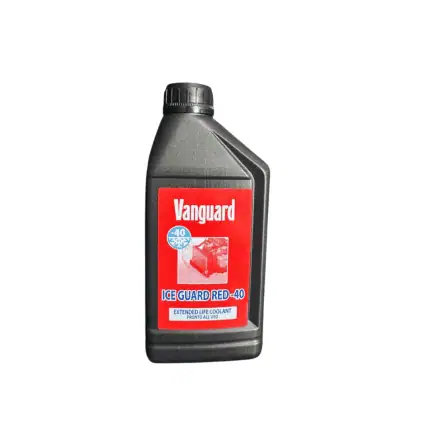
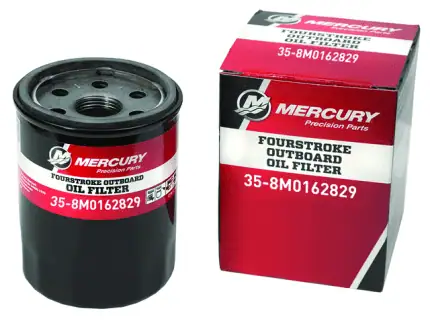
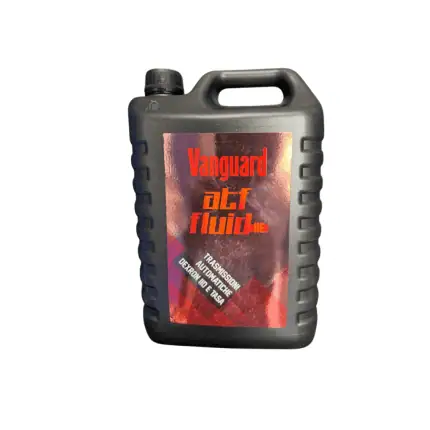
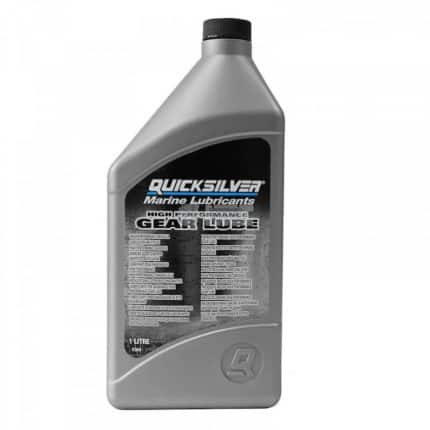
Recommended products


How to set up a more organized engine spare parts and maintenance oils
Effective maintenance is not limited to replacing the faulty part. The goal is to create continuity between inspection, order, and installation. In the nautical and industrial fields, this means scheduling interventions with a clear logic, keeping track of the components most exposed to wear and the fluids used over time.
A simple but useful method consists of dividing the work into three moments:
- before the intervention: component identification, compatibility check, product sheet review;
- during the intervention: cleaning the area, orderly replacement, checking the sealing points;
- after the intervention: visual inspection, checking for absence of anomalies, updating the activities performed.
This setting helps both those who manage recurring maintenance and those who need to intervene specifically on a particular system. It also facilitates subsequent purchases, as it reduces the risk of having to reconstruct the information from scratch each time.
If you are looking for a reliable selection for your system, explore the category dedicated to engine spare parts and oils or consult the brands available in the store to find the most suitable solution for your application.
FAQ
How to choose suitable engine parts and oils for your system?
The choice always starts from the actual application of the engine or the unit you need to work on. Check compatibility, dimensions, mounts, materials, and intended use as stated in the product sheet. If a detail is unclear, it is advisable to compare the existing component with the available technical data before ordering.
Do the selection criteria change in nautical and industrial contexts?
Yes, because operating conditions change. In the nautical field, humidity, salt spray, and downtime periods have a significant impact; in the industrial field, factors such as operational continuity, work environment, and type of load often matter. For this reason, spare parts and lubricants must be selected based on the context, not just the shape of the component.
What is the most common mistake when ordering engine parts and oils?
One of the most common mistakes is ordering based on the appearance of the component or a generic description, without checking technical data, measurements, and compatibility. Also, forgetting gaskets, seals, or finishing materials can cause delays and make the intervention less effective.
When is it advisable to check the system as well and not just replace the spare part?
Always, especially if the removed component shows abnormal wear, residues, or signs of leakage. Replacing a spare part or renewing the oil without checking the condition of the circuit, seals, or installation area risks not solving the cause of the problem.
How to set up a more organized maintenance with engine parts and oils?
It is useful to work with a simple checklist: identify the component to be replaced, check the product sheet, verify any necessary accessories, perform the assembly in a clean area, and carry out a final visual inspection. This method helps reduce errors and makes subsequent orders more streamlined.


