What boat accessories are for and why to choose carefully
In the world of boating, the boat accessories are not a minor detail: they affect onboard practicality, the continuity of system use, and the simplicity of daily operations. Whether they are components for the hydraulic circuit, fastening elements, parts for fluid passage, or accessories connected to electrical power, every choice should start with a precise check of the required characteristics.
A good boat accessories guide does not just indicate a product category, but helps to understand which sizes, threads, flows, or voltages to check before ordering. This is exactly where the most common mistakes are avoided: buying a seemingly compatible component that then does not fit the existing system, requires unforeseen adaptations, or does not meet onboard needs.
When selecting an accessory for the boat, it is advisable to think in terms of a system. A fitting, a support, a switch, or a spare part never work alone: they must integrate with pipes, connections, available spaces, power supply, and installation methods. For this reason, it is useful to also consult the sections dedicated to components for marine systems, technical spare parts, and fluid management solutions, so as to have a more complete view before completing the order.
Another often underestimated aspect concerns the intended use. Some accessories are designed for frequent use, others for integration or replacement interventions during the boat accessories maintenance. Understanding whether you are purchasing a component for a new installation, a direct replacement, or a system upgrade is the first step to choosing correctly.
Boat accessories guide: compatibility, sizes, and technical checks before ordering
Before ordering, it is essential to gather some basic technical information. There is no need to complicate the process, but it is important to verify the truly useful data to avoid incompatibilities. At this stage, the technical sheet of the already installed component and the measurements taken onboard become the main reference. If a detail is not clearly indicated, check the product sheet.
Measurements to check precisely
Dimensions are often the first compatibility factor. Even a minimal difference can make installation difficult or impossible. Before purchasing, it is advisable to check:
- internal or external diameter of the pipe or connection point;
- overall size of the component in the available space;
- pitch of holes, if there are fastening points;
- useful length of cables, fittings, or connections;
- type of attachment provided on the existing system.
A common mistake is measuring the disassembled part without considering the installation context. On a boat, spaces are often limited, and a component compatible on paper may be awkward to install or use. For this reason, it is useful to observe not only the component to be replaced but also what surrounds it: pipe bends, passages, supports, panels, and accessibility.
Threads and connections: the point that creates the most errors
Among the most important checks are the threads. Many incorrect orders depend precisely on an approximate assessment of the type of threading. It is not enough that the diameter seems correct: you need to understand if the thread is compatible with the one already present in the system.
Before purchasing, check:
- if the thread is male or female;
- if the pitch and shape correspond to the existing component;
- if the connection requires a specific seal or a particular coupling system;
- if adapters, reducers, or intermediate elements are necessary.
When you are not sure about the type of thread, the best solution is to compare the disassembled component with the information on the spare part sheet or request support before ordering. Forcing a connection that is not perfectly compatible can compromise sealing, stability, or the durability of the installation.
Flows, fluid passage, and actual onboard use
In the case of accessories related to the transfer of water or other fluids, the flow rate and the type of passage required are elements to be carefully evaluated. It is not just about matching a diameter: the component must be consistent with the circuit in which it will be inserted.
To choose well, consider:
- the type of system you will be working on;
- the continuity of flow required in daily use;
- the presence of bends, reducers, or branches;
- compatibility with materials already installed.
An accessory chosen without evaluating the context can create bottlenecks, connection difficulties, or suboptimal operation. Also in this case, if the technical data is not immediately evident, check the product sheet.
Voltages, power supply, and electrical connections
For accessories connected to the onboard electrical system, checking the voltage is essential. Before ordering, identify the type of power supply present on the boat and verify the component's compatibility with the existing system. In addition to voltage, it is useful to check:
- type of electrical connection;
- available space for installation;
- possible presence of panels, supports, or dedicated boxes;
- consistency with the rest of the system.
An electrical accessory should never be chosen “by similarity.” Even if the shape and size seem correct, it is essential to verify that the power and connection data are those required. If you are planning a replacement, it may be useful to also consult the pages dedicated to accessories for electrical systems and components for onboard installations.
Typical errors in ordering or installing boat accessories
Most problems arise from checks carried out hastily. In practice, the most common errors often repeat and can be avoided with a simple checklist before purchase.
Ordering based on the photo and not the technical data
One of the most common mistakes is choosing an accessory just because it “looks the same” as the one installed. In the nautical field, two visually similar components can have important differences in terms of attachment, threading, size, or power supply. Images help to orient yourself, but they never replace technical verification.
Neglecting the mounting direction or workspace
Some accessories require precise orientation or minimum space for connection. If the technical compartment is tight, even a few millimeters can make a difference. Before ordering, observe how the component will be inserted, connected, and, if necessary, maintained over time.
Not verifying the material of the existing component
When replacing an accessory, it is important to also evaluate the material of the system in which it will be installed. Mixing different components without prior verification can create coupling problems or make subsequent maintenance more complex. In case of doubt, always compare the existing part with the spare part description.
Forgetting seals, adapters, or complementary accessories
Another typical mistake concerns the elements necessary for assembly. Sometimes the main component is ordered correctly, but complementary accessories essential to complete the installation are missing. Before completing the purchase, check if the assembly requires additional parts and check the product sheet what is included and what is not.
Installing without a final dry fit check
Before the final installation, it is always useful to do a trial fit and positioning. This step allows you to immediately identify any incompatibilities, avoiding longer interventions or unforeseen modifications. A preliminary check reduces errors and helps keep the system tidy.
Products, spare parts, and useful accessories for boat accessory maintenance
The boat accessories maintenance does not only concern replacing a faulty component. It often means preventing downtime, improving system reliability, and keeping the right spare parts on board for the most frequent interventions. In this perspective, it is advisable to organize purchases by function and compatibility, not just urgency.
A thoughtful selection of accessories can help you:
- simplify periodic replacements;
- reduce downtime during the season;
- maintain uniformity among installed components;
- have spare parts consistent with the onboard system.
When consulting a specialized store, the best way to navigate is to start from the correct category and then filter based on the technical characteristics you have identified. This approach is much more effective than a generic search by name. If you are considering an upgrade or replacement, it may be useful to also explore guides to marine spare parts to understand which checks to perform before choosing.
A good method is to divide accessories into three groups:
- direct replacement components, when you want to replicate the existing configuration;
- integration accessories, when you need to complete a system or add a function;
- spare parts to keep available, useful for routine maintenance and quick onboard interventions.
This distinction helps avoid impulsive purchases and makes it easier to build an assortment consistent with the real needs of the boat. Additionally, it allows better comparison of product sheets, focusing on data truly relevant for installation.
If you have already identified the family of components you need, the next step is to carefully compare the specifications of your system. There is no need to complicate the choice: just gather the correct measurements, identify fittings and connections, check the type of power supply when present, and verify any accessories necessary for installation.
Recommended products
Go to the Boat Accessories category
 Italian Merchant Navy Flag 80×120 cm – code: 35.453.06 – Osculati
 Italian Merchant Navy Flag 70×100 cm – code: 35.453.15 – Osculati


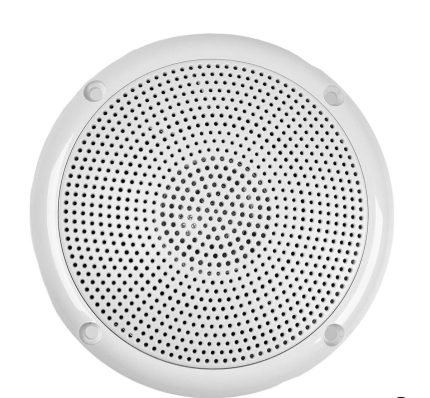

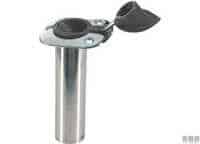 Straight flush mount rod holder 50 mm stainless steel - Code: 0800012 - Motomarine
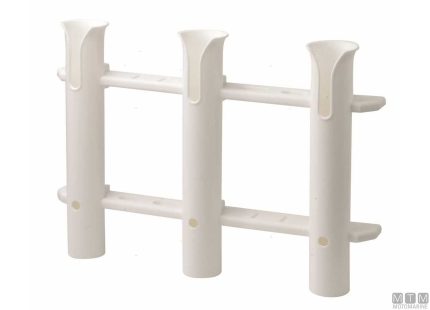 3-position rod holder Ø 40 mm – code: 0800090 – Motomarine
How to choose boat accessories more quickly and with fewer mistakes
To buy with greater confidence, you can follow a simple procedure before adding an item to the cart. It is a practical method, useful both for those making a replacement and for those completing a new system.
- Identify the function of the component: connection, fastening, power supply, fluid passage or spare part.
- Take actual measurements directly onboard, without relying only on memory or old orders.
- Check threads, fittings and connections by comparing the existing part with the product sheet.
- Verify the installation context: available space, accessibility and presence of complementary elements.
- Confirm electrical or flow data if the component is related to specific systems.
By following these steps, the choice becomes more straightforward and the risk of ordering an unsuitable accessory decreases. In a boat accessories guide purchase-oriented approach, the real advantage is not finding just any product quickly, but identifying the one compatible with your system and your way of using the boat.
Useful links to navigate among nautical categories and spare parts
If you are comparing multiple solutions, it can be helpful to explore the store sections dedicated to technical components, spare parts, and maintenance accessories. Browsing related categories helps better understand differences in fittings, available configurations, and possible complementary accessories to check before ordering.
For further information, you can consult selections of marine accessories and content dedicated to spare parts for onboard systems, so as to compare more precisely the characteristics of the component you are looking for.
If you want to choose the boat accessories with more confidence, explore the category or the reference brand in the store and compare the technical datasheets of the components compatible with your system: it is the easiest way to order the right spare part and make onboard maintenance more effective.
FAQ
What measurements should I check before ordering boat accessories?
It is advisable to check diameters, dimensions, center distances, useful lengths, and type of attachment. If the component needs to be inserted into a tight space, also check accessibility for assembly. For technical details, refer to the product sheet.
How do I know if a thread is compatible with the existing system?
It is important to check whether the thread is male or female, in addition to the shape and pitch. It is not enough that the diameter seems correct. In case of doubt, compare the disassembled part with the replacement data and check the product sheet.
Why is flow rate important when choosing a boat accessory?
In systems that handle fluids, flow rate affects the consistency of the circuit and proper passage. An unsuitable component can create restrictions or inefficient connections. If the data is unclear, check the product sheet.
What should I check for a boat accessory connected to the electrical system?
Before ordering, check the voltage of the onboard system, the type of connection, the available space for installation, and compatibility with other components present. If any information is missing, check the product sheet.
What is the most common mistake when buying boat accessories online?
The most common mistake is choosing based on the photo or similarity to the existing component, without checking measurements, threads, connections, or power data. A preliminary technical check greatly reduces the risk of an incorrect order.