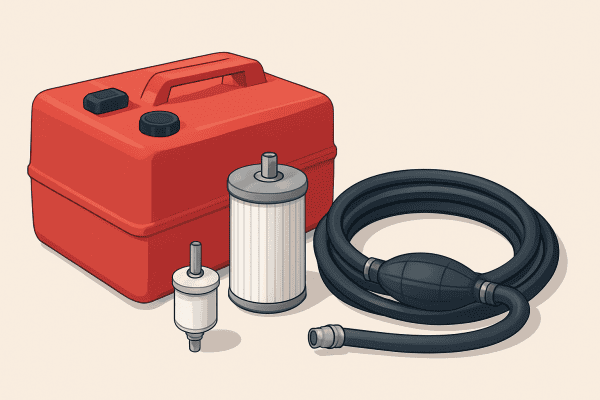
What engine parts and oils are for in the regular maintenance of the system
When talking about engine parts and oils, the most common mistake is to consider them as simple replacement components to be purchased only when something stops working. In reality, a correct choice starts long before the failure: it concerns operational continuity, compatibility with the already installed system, and the possibility of performing a precise maintenance without unnecessary stops.
A good engine parts and oils guide must help to read the usage context: it is not enough to know that a replacement is needed, you must understand if the component is suitable for attachment, dimensions, threading, power supply, or flow required by the circuit. The same applies to oils and related accessories, which must be evaluated based on the actual application and not just the generic description.
In the daily work of workshops, plants, and technical departments, spare parts are chosen for three main reasons:
- restore operation after wear or blockage;
- prevent incompatibilities during scheduled interventions;
- keep the system efficient with consistent engine parts and oils maintenance over time.
To navigate among components, accessories, and preliminary checks, it can be useful to also consult the technical guides in the catalog, where you can compare product families and application fields more quickly.
In this guide, the goal is not to list items, but to clarify which data to check before ordering to reduce errors and lost time. Measurements, threads, flows, or voltages are not minor details: they are the points that determine whether the spare part will really go into service without improvised adaptations.
Engine parts and oils: compatibility, measurements, and technical checks before ordering
Compatibility is the first real filter. Even when two components seem similar in shape or intended use, they can differ in aspects that directly affect assembly or operation. Before confirming an order, it is advisable to gather a minimum datasheet with all available references of the component to be replaced.
Overall dimensions and fixing points
The external measurements are often the most immediate data, but not always the most decisive. In addition to length, diameter, or height, it is important to check:
- distance between fixing holes;
- type of flange or support;
- orientation of the connections;
- available space in the housing;
- possible presence of nearby components that limit assembly.
A compatible replacement on paper can become unusable if the actual size does not match the machine compartment. For this reason, it is useful to always compare the installed component with images, drawings, or dimensions present in the product sheet. If a piece of data is not fully reported, check the product sheet or with technical support.
Threads, fittings, and connections
One of the most critical points in choosing engine parts and oils concerns the threads. A minimal difference between pitch, diameter, or fitting standard can prevent correct installation or generate unreliable seals. The check must include:
- thread diameter;
- pitch or type of threading;
- male or female connection;
- position of the fitting relative to the component body;
- presence of gaskets, adapters, or dedicated fittings.
Never assume that a “similar” fitting is compatible. In many cases, the problem does not arise at the time of order but only during installation, when the installer is forced to look for temporary solutions. A preventive check saves time and reduces the risk of incorrect assemblies.
To delve into the topic of connections and connected parts, it can be useful to consult the section dedicated to components for connection and sealing, so as to evaluate together the main spare part and necessary accessories.
Flow rates, power supply, and functional data to compare
When the component is inserted into a circuit or a motorized system, mechanical compatibility alone is not enough. Checks on functional data. are also needed. Among the most important checks are:
- flow rate required by the application;
- type of fluid used;
- voltage or expected power supply;
- control or activation mode;
- direction of operation, when relevant;
- configuration of inputs and outputs.
These elements must be read together, not separately. A component may have compatible fittings but be unsuitable electrically or functionally. Likewise, an oil or service accessory must be consistent with the system in which it will be used. If the data is not clearly indicated, the correct reference always remains the technical documentation available in the store.
Codes, nameplates and comparison with the installed component
If the component to be replaced is already present on the machine, the most reliable way to start is to check nameplate, engravings, labels or codes. Even when the spare part belongs to the same family, small variations can change attachments, configuration or compatibility with the circuit.
Before ordering it is advisable to collect:
- front and side photos of the installed component;
- image of the nameplate or readable code;
- main measurements taken manually;
- type of connections present;
- intended use in the system.
This simple procedure makes selecting the correct spare part much more effective and also helps when consulting with commercial support. If you want to navigate among related families, you can also see the most consulted categories for maintenance and replacement.
Typical errors in ordering or installing engine spare parts and oils
Many returns or incompatibilities arise from recurring errors, often due to haste or the habit of ordering “by sight”. Knowing these cases helps to prevent them and makes every activity of engine spare parts and maintenance oils.
Ordering based on external appearance
Two components may look identical but have decisive differences. Relying only on shape, color or approximate size is one of the most common mistakes. The comparison must always include attachments, actual dimensions, threads and operating data.
Neglecting the mounting direction or orientation
In some systems the position of the attachments or the installation direction directly affects the possibility of connection. A spare part correct in function may be inconvenient or impossible to mount if the inputs and outputs are not oriented as required by the available space.
Not checking the type of power supply
When elements with electrical control are present, the voltage must be checked carefully. It is an essential, not accessory, piece of data. Even in this case the check must be done before ordering and compared with the nameplate of the installed component or with the technical data sheet.
Forgetting seals, fittings or necessary accessories
Another typical mistake is to purchase only the main spare part without considering the elements that allow its correct installation. Seals, adapters, fittings or support accessories can be indispensable to complete the intervention without interruptions. A preventive check of the whole avoids having to suspend work for an apparently secondary detail.
Using incomplete data in the order request
Indications such as “I need the same one” or “it’s a standard motor” are not sufficient in a technical context. An effective request should always include photos, measurements, code and application. The more precise the information, the higher the probability of receiving a truly compatible component.
For those who manage frequent replacements, it can be useful to also consult the resources dedicated to choosing spare parts for systems and workshops, so as to set up a repeatable and faster control method.
Useful products, spare parts, and accessories to consider together
A purchase-oriented guide should not stop at the single component. In practice, those who search engine parts and oils often need to also evaluate everything related to the replacement: connection accessories, sealing elements, complementary components, and service materials.
The most effective approach is to think in terms of complete intervention, not isolated parts. This means asking:
- does the spare part require dedicated mounting accessories?
- are the existing connections reusable?
- is it necessary to also replace wear-prone elements connected to the same group?
- is the oil or fluid in use consistent with the system and the planned intervention?
- are there parts that are worth checking at the same time to avoid a second downtime?
This logic is particularly useful in scheduled maintenance activities, where the goal is not only to get the system running again, but to do so in an orderly and lasting way. A engine parts and oils guide truly useful guide must therefore help to see the complete picture, not just the code of the component to be replaced.
If you are comparing multiple solutions, it can be practical to start from an overview of the families available in the store, so as to quickly identify the category most consistent with your system.
Another often underestimated aspect is the consistency between the chosen spare part and the machine's maintenance history. If over time adaptations, modifications, or non-original replacements have been introduced, the installed component may no longer correspond to the initial configuration. In these cases, the actual field survey counts more than the machine model memory alone.
For this reason, before ordering it is always advisable to do a final cross-check between:
- component present on the system;
- technical data sheet of the spare part;
- accessories necessary for mounting;
- type of actual use;
- any operational notes collected during previous maintenance.
This method reduces errors, improves intervention times, and makes it easier to plan a replacement without surprises.
Recommended products
Go to the Engine Spare Parts and Oils category
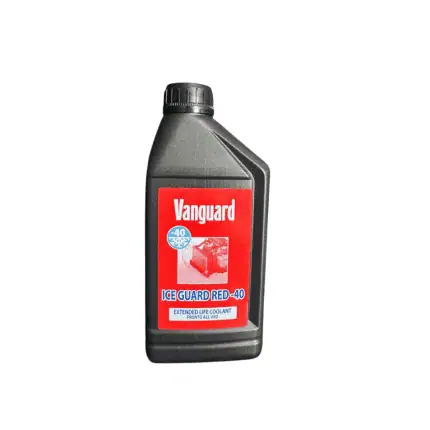 Ready-to-use antifreeze fluid ice guard red – 40 1L – code: V3203 RED 1L – Vanguard


Operational FAQs on engine spare parts, oils, and checks before purchase
Before proceeding with the order, the best criterion always remains one: verify the actual technical data of the installed component and compare them with those available in the store. Dimensions, threads, flow rates, power supply, and connected accessories must be read together, because it is precisely from the combination of these elements that the final compatibility depends.
If you are looking for a reliable solution for your business, explore the category or the reference brand in the Technofluid store and carefully compare the product sheets: starting from the correct family helps you find the right replacement more quickly and manage maintenance more continuously.
FAQ
What data should I check before ordering engine parts and oils?
Before ordering, it is advisable to check external dimensions, fixing points, thread type, orientation of the attachments, required load capacity, type of power supply, and the code of the installed component. If any information is unclear, check the product sheet.
Can I choose a replacement just because it is similar to the one installed?
No, the external appearance is not enough. Very similar components can have different threads, incompatible fittings, or different functional configurations. The correct comparison must be made on measurements, connections, and technical data.
Why is thread inspection so important?
The thread directly affects the possibility of assembly and the tightness of the connection. Even a minimal difference in diameter, pitch, or type can make the replacement unsuitable or require unforeseen adaptations.
What to do if the installed component does not match the original machine configuration?
In these cases, it is better to rely on the component actually present on the system. Photos, nameplates, measured dimensions, and details of the connections are more useful than just the machine reference, especially if modifications have been made over time.
Is it worth ordering accessories and connected components as well?
Yes, it is often useful to evaluate seals, fittings, adapters, or other elements necessary for assembly together. This approach reduces the risk of stopping the intervention due to the lack of a complementary part.