


What Veco is for
When searching for veco online, the most common mistake is focusing only on the component's name and not on its usage context. In reality, to purchase the correct spare part, a more technical reading is needed: application, compatibility, measurements, connections, and codes must be consistent with each other. A good veco guide part always starts here.
Veco is usually searched for by those who need to replace a worn component, restore a system, or plan a spare parts supply. In all these cases, the goal is not to find “something similar,” but to identify the version truly suitable for their installation. Even a minimal difference in attachment, shape, or technical reference can lead to an incompatible order.
For this reason, it is useful to approach the purchase with a precise checklist. Before proceeding, it is advisable to gather all available information: component label, code printed on the part, photo of the current assembly, measured dimensions, and any technical documentation present. If you have doubts about the application context, it may be helpful to also consult a guide to spare parts and components or explore the differences between the product families available in the store.
Another often underestimated aspect concerns the actual function of the component within the system. It is not enough to know “where it is mounted”: you need to understand what role it plays, with which elements it works, and which characteristics must remain aligned to avoid problems during installation or routine maintenance.
In a proper activity of veco maintenance, in fact, the spare part should not be chosen in isolation. It is more useful to think about the entire assembly: main component, wear parts, connected accessories, and system conditions. This approach reduces errors, downtime, and repeated purchases.
Compatibility, measurements, and technical checks for buying Veco online
The most important phase of the purchase is verifying compatibility. When a product sheet shows variants, codes, or similar configurations, you must avoid relying solely on visual appearance. Two apparently identical components can differ in decisive details. If a piece of data is not immediately clear, check the product sheet and compare it with the component already installed.
Which data to check before ordering
Before adding the product to the cart, prepare a mini technical sheet of the part to be replaced. The most useful checks are these:
- Component code, if readable on the part or in the documentation.
- Main measurements, carefully measured at the correct points.
- Type of connection or attachment present in the installation.
- Shape and size, especially if the mounting space is limited.
- Version or variant, when multiple similar configurations exist.
- Compatibility with the belonging group, if the spare part works together with other elements.
This check is particularly important in online purchases, where the speed of search can push you to choose the first result consistent with the searched name. Instead, an veco guide effective requires always comparing the code with the characteristics reported on the product page.
How to detect measurements without making mistakes
Measurements must be taken methodically. If the component is still mounted, it is advisable to photograph it from multiple angles before disassembly. If it has already been removed, place it on a flat surface and note the dimensions that may affect compatibility. Do not rely on approximate or “by eye” measurements, especially when the spare part must fit into a precise seat.
To avoid mistakes:
- always measure the same point indicated in the product sheet;
- check if the measurement refers to the body of the component or the total size;
- verify if any accessories modify the assembly;
- compare the product photos with the actual piece, without considering only the color or finish as a decisive element.
If technical drawings, tables, or assembly notes are present on the page, read them carefully. Otherwise, do not make assumptions: it is better to stop for a minute longer than to receive an unsuitable spare part.
Codes, acronyms, and references: how to interpret them
An incomplete code is one of the main causes of error. Sometimes the customer identifies only part of the acronym and assumes it is enough to find the right component. In reality, final letters, variants, or secondary references can indicate substantial differences. For this reason, when possible, it is advisable to transcribe the complete code exactly as it appears.
If the code is no longer readable, you can use a cross-reference based on:
- photo of the installed component;
- measured dimensions;
- plant documentation;
- technical sheet of the compatible spare part, if available.
To better orient yourself among the different component families, it may be useful to consult a section dedicated to technical spare parts or a support page with selection and comparison criteria.
Typical errors in ordering or installing Veco
Many returns or replacements arise from avoidable errors. They do not always depend on the complexity of the product: often the problem is a skipped check or a too quick reading of the sheet. Knowing the most frequent mistakes helps to prevent them.
Confusing visual similarity with real compatibility
One of the most common cases is choosing the component because it “looks the same.” This criterion alone is not enough. The shape may be similar, but the code, the attachment, or the configuration may be different. In a search veco, aesthetic matching should be only the last check, not the first.
Ignoring the system configuration
A spare part that is correct on paper can become unsuitable if the system in which it must work is not considered. Mounting position, available space, presence of accessories, and group conditions can affect the choice. For this reason, it is useful to also verify compatibility with surrounding elements, not just with the replaced piece.
Ordering without checking the full code
Purchasing based on a partial code is risky. If the code is present, it must be fully verified. If it is missing, you need to compensate with measurements, images, and technical notes. A good practice is to save screenshots of the product sheet and compare them with the actual component before ordering.
Underestimating the condition of connected components
original packaging veco maintenance, a new spare part installed on a worn assembly may not solve the root problem. If the component works together with other wear-prone elements, it is advisable to check their condition as well. This does not mean buying unnecessary parts, but avoiding that a partial intervention forces reopening the system shortly after.
To delve deeper into checks before assembly, you can also consult a maintenance guide for components with practical indications on inspection, replacement, and visual verification.
Installing without a final check of the received part
When the spare part arrives, it is useful to do a final comparison before installation. Check:
- matching of the reported code;
- consistency of the main measurements;
- presence of any elements necessary for installation;
- absence of obvious differences compared to the expected component.
This step is simple but crucial. Catching a doubt before installation avoids wasting time and possible damage from forced installation.
Products, spare parts, and accessories useful for a safer Veco choice
When purchasing a technical component, it is useful to also consider complementary spare parts and accessories that can simplify the intervention. This is not about adding items indiscriminately, but evaluating which elements may be necessary to properly complete replacement, restoration, or maintenance.
In a conscious purchasing logic, related products mainly serve three purposes:
- complete the installation without interruptions due to missing parts;
- reduce the risk of incompatibility between the main component and accessories;
- schedule maintenance with a broader system view.
For example, during the search for veco, it can be useful to check if associated spare parts, related components, or support accessories are present in the same store area. This helps build a more coherent order and avoid stoppages due to a neglected detail.
A practical approach is to ask yourself some questions before purchasing:
- does the component to be replaced work together with other parts subject to wear?
- are additional elements needed for assembly or sealing?
- is it useful to have a related spare part available for the next maintenance?
- does the product sheet indicate compatibility or pairings to check?
If the answer to any of these questions is yes, it is advisable to carefully check the available information. In many cases, a detailed page such as compatible spare parts and accessories or a collection of product guides for online purchase can help clarify doubts before ordering.
Another advantage of this setup is operational continuity. Those who purchase for scheduled maintenance know that the real time saving comes from the correctness of the order, not from how quickly the cart is completed. A veco guide well-made one does not just indicate the part to buy: it helps anticipate what may really be needed during the intervention.
For this reason, when you consult a product sheet, also pay attention to the informational sections that describe use, applications, compatibility notes, and related suggestions. If a detail is uncertain, the rule always remains the same: check the product sheet.
Recommended products
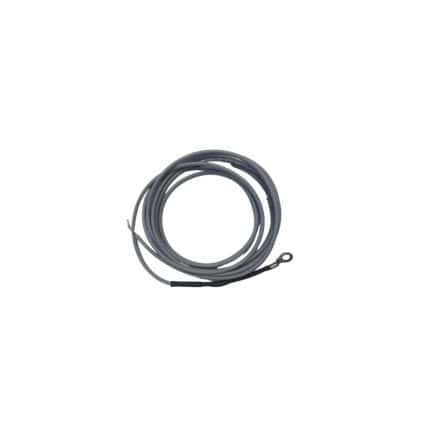 NTC probe for fancoil 3mt with eyelet - code: M72090 - Climma
 Display Vega MK2 AVE - control panels - code: MDISAV - Climma
 Mechanical fancoil panel AVE hot/cold - code: M60980A - Climma

 Remote room temperature sensor for MKII/MK3 - 3m - Code: MSENS - Climma
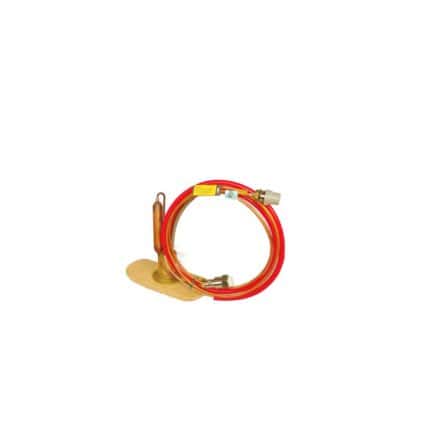 Threaded Frigomatic outrigger - without zincs - Code: E50361 - Frigoboat
Practical checklist before confirming the order Veco
Before completing the purchase, do a final quick check. This checklist can help you reduce the most common errors:
- have you identified the complete code of the component?
- have you compared the relevant measurements with those indicated in the sheet?
- have you checked attachment, shape, and size?
- have you checked the compatibility with the system or with the belonging group?
- have you considered if related spare parts or accessories?
- are needed
- have you read any technical notes or assembly instructions?
Following these steps makes the purchase safer and reduces the risk of stopping halfway through the intervention with an unsuitable component.
If you are looking for the most suitable solution for veco, explore the category or brand in the store and carefully compare the product sheets: you will find useful references to choose the correct spare part and manage maintenance more precisely.
FAQ
How do I know if a Veco component is compatible with my system?
Check the complete component code, compare the main measurements, verify the type of attachment and the shape of the part. If a detail is not clear, check the product sheet and also compare the photos with the component already installed.
Can I order Veco based only on the appearance of the part to be replaced?
No, visual similarity does not guarantee compatibility. Very similar components can have different variants for code, connection, or configuration. It is always best to cross-check code, measurements, and technical notes.
What measurements should I check before buying Veco online?
Check the measurements that affect assembly and compatibility, such as overall size, attachment points, and dimensions necessary for proper insertion. To know which dimensions to compare, check the product sheet.
If the Veco code is not readable, how can I reduce the risk of error?
In the absence of the complete code, collect clear photos of the component, take the main measurements, and compare everything with the product sheet. If possible, also use the documentation of the system or the group on which the component is installed.
During maintenance, is it advisable to also check spare parts and related accessories?
Yes, because an effective intervention is not only about the main part. Checking the condition of connected components and useful accessories can prevent further stoppages and make maintenance more comprehensive.


