What plugs and sockets are used for in industrial and professional electrical connections
When buying plugs and sockets online, the most common mistake is not only about choosing the model, but evaluating the entire usage context. In a professional setting, these components serve to create a practical, safe, and consistent connection with the device to be powered, with the cable already present, and with the available connection point.
A good plugs and sockets guide it must start here: do not choose “a plug” or “a socket” in isolation, but check how the component fits into the line, the equipment, and the operational habits of the department or site.
In practice, plugs and sockets are used to:
- connect machines, tools, or equipment to a power source;
- manage detachable connections, thus easy to disconnect for transport or maintenance;
- organize mobile or temporary workstations;
- replace worn components without intervening on the entire system;
- maintain operational continuity when a compatible replacement is needed quickly.
Buying online can be very efficient, but requires more careful technical control than buying “in person.” For this reason, it is advisable to carefully read the product sheet and always compare the data of the component to be replaced with those of the new product. If information is not immediately clear, check the product sheet.
To better guide you among related components and accessories, it can be useful to also consult the technical guides in the catalog or to deepen connection systems for professional applications.
Technical checklist: compatibility, measurements, and checks before buying plugs and sockets
The decisive phase is the check of the compatibility. Those who buy quickly tend to stop at the external appearance or the general shape of the component. In reality, two very similar items may not be interchangeable. To avoid returns, machine downtime, or improvised adaptations, it is advisable to follow a simple but rigorous checklist.
1. Check the type of application
First of all, ask yourself where the plugs and sockets:
- will be used;
- on a fixed machine;
- on mobile equipment;
- in a workshop;
- in a warehouse;.
in a maintenance or quick replacement context.
2. Check the connection configuration
One of the most common mistakes is ordering a plug or socket with a different configuration than actually needed. It is not enough that it “looks the same”: you need to verify the correspondence of the connection and the arrangement of the contacts. In case of doubt, carefully observe the component to be replaced and compare it with the technical photos available in the store.
If the product is intended for an existing line, also check compatibility with the counterpart: a plug must be consistent with the socket it will work with, and vice versa. This verification is the basis of every correct maintenance plugs and sockets, especially when working on systems or equipment already in operation.
3. External dimensions and actual space requirements
Dimensions are often underestimated. In reality, it is much easier to make mistakes online on this point than on the code. A component may be functionally correct but not fit into the available space, not close properly, or interfere with supports, doors, or cable passages.
Before purchasing, check:
- overall body dimensions;
- depth clearance;
- space needed for insertion and disconnection;
- diameter or compatibility with the cable to be used;
- any need for supports, adapters, or fastening elements.
If you are working on a panel, an extension cord, or a compact machine, this check avoids most errors. When dimensions are not immediately obvious, check the product sheet.
4. Item codes and references of the replaced component
If you have the code of the already installed component, use it as the first filter. However, do not rely solely on the printed reference: over time there may have been range revisions, series updates, or very similar variants. The code is useful but should always be accompanied by a visual and technical check.
A good method is to compare:
- code of the existing part;
- shape of the body and connection points;
- mounting method;
- cable entry;
- any accessories required for completion.
If your goal is a quick replacement, also consult the section dedicated to spare parts and connection components to more easily find items consistent with the application.
5. Assembly and usage context
Not all plugs and sockets are installed in the same way. Some are designed for more immediate use, others require a more careful check of space, cable passage, or fixing point. Before ordering, always consider who will perform the assembly and in what operational context.
If the component needs to be replaced during a scheduled intervention, it is advisable to select a solution that reduces downtime. If it is a first setup, it is also useful to consider future accessibility for inspections and replacements.
Typical errors in the order of plugs and sockets and during installation
Even a well-made product sheet does not eliminate errors if there is no verification method. In practice, the most common problems often repeat and almost always concern seemingly secondary details. Knowing them beforehand helps avoid incompatible purchases.
Confusing aesthetic similarity with real compatibility
Two components can look almost identical but differ in configuration, connection, or size. Ordering “by eye” is one of the main causes of returns. The rule is simple: never rely solely on the main photo. Technical comparison, additional images, and checking the datasheet are needed.
Neglecting the already present cable
Another frequent error concerns the cable. Sometimes the plug or socket is chosen correctly, but it is not checked whether the component is suitable for the cable already installed or planned. This can create difficulties during assembly or require accessories not initially considered.
For this reason, before ordering it is useful to note:
- type of cable in use;
- cable passage clearance;
- available space for tightening or assembly;
- any needs for simultaneous replacement of other elements.
Not checking the counterpart of the connection
It often happens to replace only one part of the system without checking the other. Instead, plug and socket should always be considered as a functional pair. If you are purchasing for maintenance, verify that the new part is consistent with the one remaining in use.
This is a fundamental rule in every maintenance plugs and sockets: the correct replacement is not only the “similar” one, but the one that maintains operational continuity without forcing or improvised adaptations.
Ignoring space constraints in tight environments
On benches, panels, compact machines, or mobile workstations, a few millimeters can make a difference. If the component is installed in a limited space, check not only the body size but also the space needed to connect, disconnect, and maneuver the cable.
Ordering without a photo of the existing component
A very useful habit, especially in B2B online purchases, is to photograph the part to be replaced from multiple angles before proceeding. This helps compare shape, connection, orientation, and construction details. In many situations, it is the fastest way to reduce the margin of error.
If you want to better compare the available component families, it can also be useful to visit the pages dedicated to professional electrical connections e the insights for installation and maintenance.
Products, spare parts, and accessories useful to complete the purchase
When selecting plugs and sockets, it is also advisable to consider the elements that may be needed to complete the work without interruptions. This does not mean buying unnecessary components, but avoiding discovering during assembly that an essential accessory or a related spare part is missing.
In a store-driven guide logic, the advantage of the online catalog is precisely this: you can build a more complete and coherent order, reducing downtime and separate purchases.
Spare parts to consider during replacement
If the intervention arises from wear, damage, or line revision, it may be useful to check if, along with the main component, it is worth replacing connected parts as well. This approach is particularly effective when working on equipment subject to frequent use, handling, or repeated disconnections.
Among the aspects to evaluate:
- general condition of the connection point;
- presence of already worn accessory components;
- need to restore an orderly and easily inspectable connection;
- opportunity to standardize different components installed at different times.
Accessories that simplify assembly and maintenance
A good plugs and sockets guide is not limited to the main component. In many cases, the final result also depends on accessories that make assembly cleaner, replacement faster, and connection management more orderly over time.
Before closing the order, ask yourself if you also need:
- fastening or support elements;
- components for cable protection or organization;
- parts useful to correctly complete the installation;
- spare parts to keep in stock for subsequent maintenance.
This approach is particularly useful for workshops, maintenance technicians, installers, and purchasing departments that want to limit fragmented orders and have greater operational continuity.
When it is advisable to purchase with a technical stock logic
If you often use the same connections on multiple stations or similar machines, it may be sensible to plan a small technical stock of compatible components. It is not about accumulating items randomly, but making replacement faster in recurring cases.
To do this well, it is advisable to first identify the codes actually used, verify the differences between variants, and keep track of the configurations present in the company. Also in this case, if a detail is not clear, check the product sheet before proceeding.
Recommended products
Go to the Plugs and Sockets category


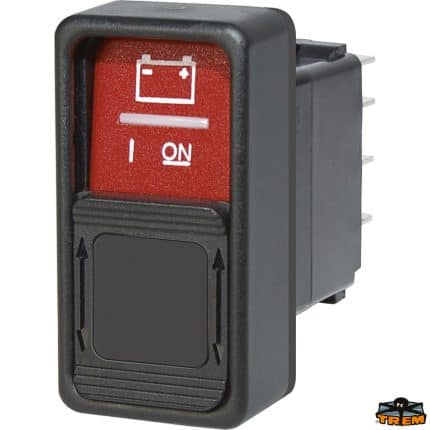
How to choose plugs and sockets online with fewer errors and more operational continuity
Buying well means combining technical control, visual comparison, and attention to the usage context. To reduce errors, the most effective method is always the same: start from the existing component, check compatibility and dimensions, verify the counterpart of the connection, and assess if spare parts or accessories are also needed. If you are looking for a reliable solution for your next order, explore the relevant category or brand in the Technofluid store and compare the product sheets to find the component best suited to your application.
FAQ
How do I know if a plug is compatible with the socket I already have installed?
The check must be done by comparing the connection configuration, shape, contact arrangement, mounting method, and dimensions. Aesthetic similarity is not enough: if you have doubts, compare the existing component with images and technical data and verify in the product sheet.
What measurements should I check before buying plugs and sockets online?
It is advisable to check the body dimensions, depth, space required for insertion and disconnection, compatibility with the cable, and available area for mounting. In tight spaces, it is also important to consider the operational clearance, not just the external measurement.
Is it enough to use the old component code to order the replacement?
The code is a great starting point, but it should not be the only reference. It is always advisable to also check photos, shape, attachment, cable routing, and construction details, because very similar variants may exist.
Why is it useful to also evaluate accessories and spare parts together with plugs and sockets?
Because a complete purchase reduces interruptions and subsequent orders. During replacement or installation, fastening elements, connected components, or parts useful for making assembly tidier and maintenance easier may be needed.
What is the most common mistake when buying plugs and sockets online?
The most common mistake is choosing based on external appearance without checking actual compatibility, measurements, and counterpart of the connection. A minimal technical check before ordering avoids most installation problems.