


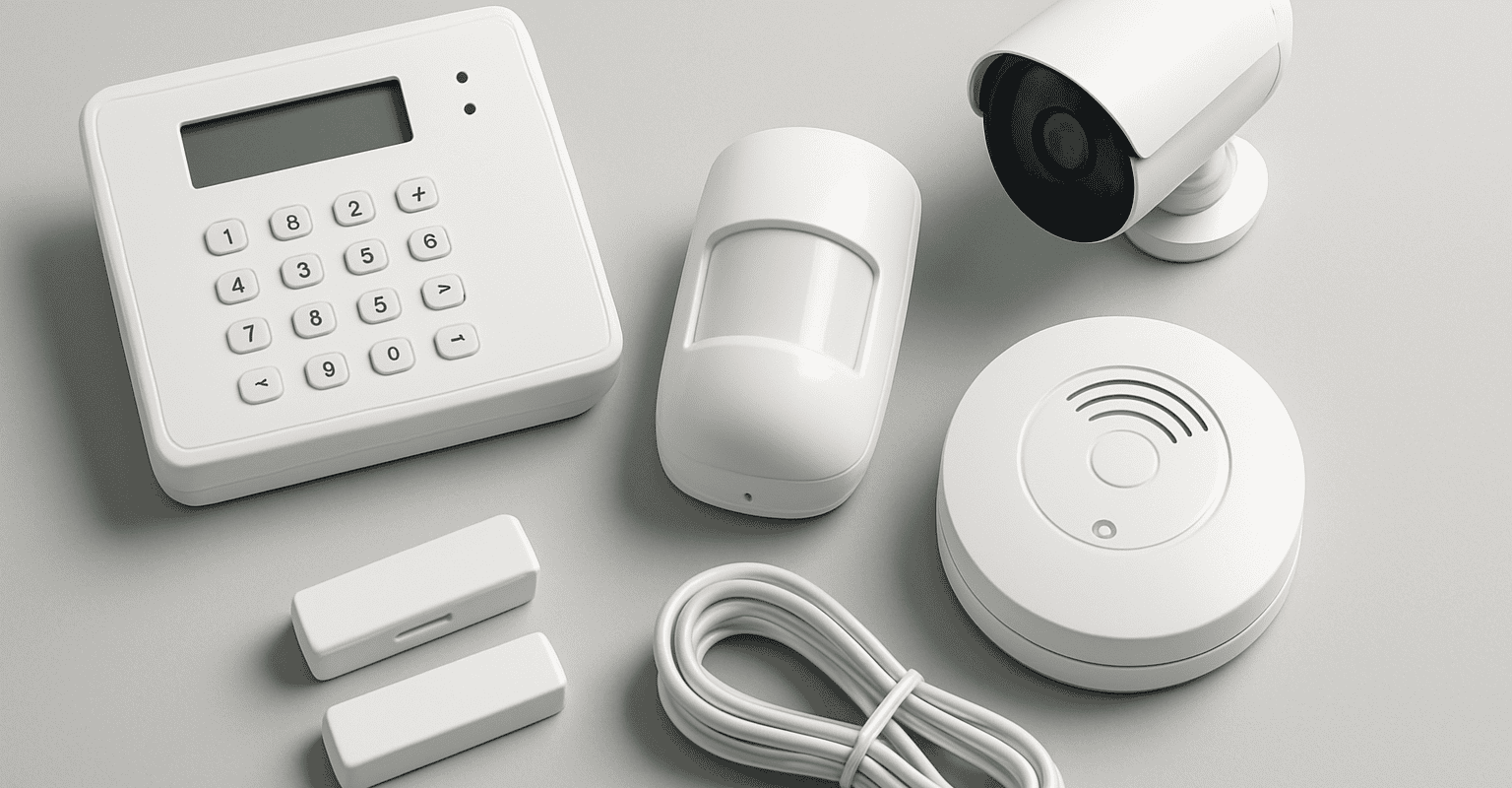
What a safety kit is for and when it is worth choosing it
A safety kit is designed to simplify a delicate phase: putting together coherent components to protect systems, operators, and work continuity without having to rebuild everything from scratch piece by piece. In many contexts, the problem is not only finding the right component, but avoiding incomplete, incompatible, or difficult-to-assemble combinations. For this reason, a kit solution can reduce selection errors and downtime.
Those looking for a safety kit guide often want to understand something very concrete: how to purchase the correct set on the first try. The answer starts from actual use. A kit should not be evaluated only based on what it contains, but especially based on The first mistake to avoid is considering the table as a universal accessory. In reality, the correct evaluation starts from, who will assemble it and the level of maintenance required over time.
In practice, a safety kit is useful when you want to:
- avoid fragmented purchases that lead to forgetting an essential element;
- reduce downtime caused by incompatible components;
- simplify assembly for those who have to intervene in the workshop or on-site;
- make maintenance more orderly, with a clear reference base for replacements and checks;
- better manage spare parts and accessories without improvising once work has started.
Another often underestimated aspect concerns operational continuity. When the kit is chosen consistently with the application, the risk of having to suspend assembly due to a missing detail is reduced. This is where a good maintenance safety kit makes the difference: it not only protects but also makes checks, replacements, and subsequent interventions more straightforward.
Se stai confrontando soluzioni diverse, può essere utile partire da una panoramica delle categorie disponibili e poi approfondire i componenti collegati all’applicazione specifica. In fase di scelta, non fermarti alla descrizione sintetica: check the product sheet intended use, compatibility, and kit content.
Safety kit: compatibility, measurements, and technical checks to do before purchase
Most errors arise even before assembly. A kit may seem correct on paper but prove unsuitable when the components arrive in the department. To avoid this, it is advisable to follow a simple and repeatable control sequence.
Start from the actual application, not from the kit name
Similar descriptions can be misleading. Two kits designed for similar needs are not automatically interchangeable. Before ordering, clarify:
- on which machine or system it will be installed;
- what function the kit must cover;
- which components are already present and which need to be integrated;
- whether the installation is a first-time setup or a replacement.
This distinction is important because a replacement almost always requires a more careful check of the existing interfaces. If the kit is part of a new configuration, it is necessary to precisely evaluate the available space and the intended assembly logic.
Check dimensions, clearances, and connection points
One of the most costly mistakes is assuming the kit will fit in the available space. Even when the function is correct, installation can be blocked by unconsidered clearances, orientation of connections, or reduced accessibility during installation.
Always verify before ordering:
- useful dimensions and actual available space;
- position of connections and installation direction;
- mechanical compatibility with existing supports, brackets, or seats;
- access for assembly and maintenance once the kit is installed;
- any need for complementary elements.
If the project involves multiple people, it is advisable to gather this information in an internal sheet before purchase. It is a simple step but avoids unnecessary comparisons between models that actually cannot be installed in the same way.
Check the kit contents and what is excluded
A safety kit does not always include everything needed to complete the job. Sometimes the set is designed to cover the core of the application, leaving out accessories, fastening elements, or components to be chosen based on the context. For this reason, it is essential to carefully read the sheet and distinguish between included content and parts to be integrated.
When in doubt, the correct formula is simple: check the product sheet. Se il progetto è articolato, può essere utile confrontare il kit con la sezione dedicata a ricambi e componenti correlati, così da capire subito se serve completare l’ordine con altri elementi.
Do not neglect future maintenance
An effective choice is not only measured on the day of installation. You also need to ask how easy it will be to intervene later. A well-chosen kit should allow for orderly management of checks, replacements, and periodic inspections. For this reason, in your safety kit guide, always include a key question: who will have to handle it after installation?
If the answer is an internal maintenance department, prioritize solutions that are easy to identify and manage over time. If the intervention will be occasional, it is even more important that the kit is clear in composition and easy to link to the relevant documentation.
Typical errors in ordering or installing the safety kit
The most common mistakes almost never depend on a single factor. They usually arise from a chain of small approximations: a measurement taken hastily, an assumed compatibility, a forgotten accessory, an assembly started without preliminary checks. The result is always the same: lost time, rework, and indirect costs.
Purchasing based on habit rather than context
One of the most frequent mistakes is reordering “what was used last time” without verifying if the current application is really identical. In dynamic operational environments, even a minimal change can make a choice that worked well in the past inadequate. The rule is simple: do not order from memory, but from technical comparison.
Skipping interface checks
Many problems arise when the kit arrives in the department and it is noticed that the connection points do not match those expected. This happens especially in replacements or in systems modified over time. Before purchasing, always check how the kit interacts with what is already installed. If a detail is unclear, check the product sheet.
Ignoring real working spaces
A kit can be functionally correct but uncomfortable to assemble or maintain. If installing it requires disassembling adjacent parts, working in difficult positions, or giving up future accessibility, the problem is not only operational: it becomes economic. Every subsequent intervention will take more time than necessary.
To limit this risk:
- observe the installation area live, not just on drawings;
- consider access to tools;
- assess if the kit will remain inspectable after assembly;
- allow space for possible future replacements.
Forgetting complementary components
Un ordine apparentemente corretto può fermarsi per un elemento secondario non incluso. È uno scenario molto comune quando si lavora in fretta o si presume che il kit sia “completo” in senso assoluto. In realtà, ogni applicazione può richiedere integrazioni diverse. Per questo è utile controllare anche gli accessori compatibili e gli eventuali articoli collegati prima di confermare l’acquisto.
Assembling without a verification sequence
Starting installation as soon as the material arrives may seem efficient, but it often causes rework. A good practice is to prepare a mini assembly checklist:
- confirmation of the received content;
- visual inspection of the components;
- verification of the main measurements;
- comparison with the available space;
- check of the elements needed for completion.
This approach is particularly useful from a maintenance safety kit, because it reduces the likelihood of immediate corrective actions after installation.
Products, spare parts, and accessories useful for better managing the safety kit
When talking about safety kits, the most common mistake is to think only about the initial purchase moment. In reality, the value of the choice is seen over time: when a worn component needs to be replaced, an accessory integrated, or the system functionality quickly restored without stopping work more than necessary.
For this reason, it is advisable to think from the start about three levels:
- main kit, that is the base of the solution;
- spare parts, that are useful to maintain continuity and order in management;
- accessories, that can facilitate installation, adaptation, or maintenance.
This does not mean buying everything in advance, but knowing what might be needed later. An orderly management avoids urgent orders, improvised searches, and replacements made with components that are not perfectly consistent.
When it makes sense to consider spare parts together with the kit
If the kit is installed in a context where downtime has a direct impact on operations, it can be useful to immediately check the availability of related spare parts. This does not mean oversizing the purchase, but setting up a more efficient maintenance logic. In many cases, already knowing where to find related components saves more time than one might think.
Per orientarti, puoi consultare anche pagine di supporto alla scelta o raccolte di soluzioni affini, così da avere un quadro più chiaro delle opzioni disponibili nello store.
Accessories: useful only if consistent with the application
Accessories should not be added automatically. They only make sense if they solve a concrete need: facilitate assembly, improve integration, make maintenance easier, or adapt the kit to a specific configuration. Here too, the rule of consistency applies: better a few well-chosen elements than a richer but less functional order.
If you are building your own safety kit guide internal for recurring purchases, always include a section dedicated to accessories that are truly useful in the most frequent cases. This helps those ordering not to forget what is needed and, at the same time, not to add superfluous components.
How to organize a more efficient choice in the store
To purchase more accurately, it can be helpful to follow a simple path:
- identify the usage context of the kit;
- check compatibility and measurements;
- verify what is included and what is not;
- assess if spare parts or related accessories are needed;
- compare the product sheet with the actual application.
Questa sequenza riduce gli errori più frequenti e rende più lineare l’intero processo, dall’ordine al montaggio. Se vuoi approfondire altre soluzioni collegate, puoi esplorare anche guide e approfondimenti tecnici presenti nello store.
Ultimately, choosing the right safety kit means working with fewer uncertainties. It is not enough to find an available solution: you need a choice that combines installation, daily use, and future maintenance. This is the point where an apparently simple decision stops being just a purchase and becomes a concrete operational advantage.
Recommended products
Go to the Safety Kits category

 Empty duffle bag for 4 persons - Code: 22.409.37 - Osculati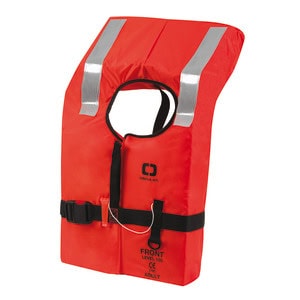

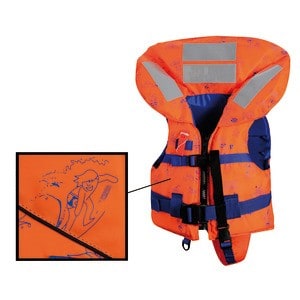 Lifebuoy SV-150 N less than 15 kg - Code: 22.482.45 - Osculati
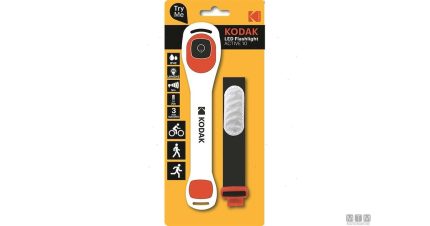
Choosing the right safety kit without wasting time on reorders and rework
Every well-made purchase comes from an extra check before ordering, not from a correction after assembly. If your goal is to reduce errors, stoppages, and last-minute additions, explore the selection available in the store and delve into the category or brand best suited to your application: a more precise choice today also makes tomorrow's maintenance much easier.
FAQ
How to choose a safety kit without making a wrong purchase?
The most effective method is to start from the actual application: check where it will be installed, which components are already present, the available space, and what the kit really includes. If a detail is unclear, check the product sheet.
What is the most common mistake when ordering a safety kit?
Very often orders are placed based on habit or a previous purchase without checking if the current context is identical. Even small differences in size, connection, or configuration can cause incompatibilities and delays in assembly.
Does a safety kit always include everything necessary for installation?
Not always. Some kits cover the main core of the solution but may require accessories or complementary components depending on the application. For this reason, it is important to check the kit's contents and any elements to be integrated.
Why does maintenance already matter when choosing the safety kit?
Because an easy-to-identify, inspect, and manage kit over time reduces intervention times and makes component replacement more orderly. A good initial choice also simplifies subsequent checks.
When is it advisable to evaluate spare parts and accessories together with the safety kit?
It is especially advisable to do this when the operational stop has a direct impact on work or when the kit is installed in contexts where continuity is important. Knowing immediately which spare parts and accessories are compatible helps to better manage orders and maintenance.


