


When the nautical cushion is really needed
The nautical cushion is not an accessory to consider only when purchasing the boat or when renewing the cushions. In many cases, it becomes an element to carefully check during regular maintenance, especially when use is frequent, exposure to external agents is constant, or onboard comfort begins to noticeably deteriorate.
On nautical technical guides, the cushion is often treated as a simple aesthetic component. In reality, it affects livability, practicality, and order of the spaces. A seat that shifts, a support that retains moisture, or a surface that deforms easily can become signals not to be underestimated, even when the covering still appears to be in good condition.
You need to intervene when you notice one or more of these aspects:
- loss of shape after use or during storage;
- irregular padding with areas that are stiffer and others too soft;
- presence of residual moisture that is hard to dry;
- marked covering, abnormally stretched or with stressed seams;
- unstable fastening on the seat or sunbed;
- inconsistent bulk with the actual geometry of the surface.
Another typical scenario concerns replacements made at different times. When one part of the cushions is changed and another remains original, differences in thickness, support, and visual appearance may emerge. It is precisely in these cases that the issue nautical cushion compatibility becomes central: it is not enough that the piece “fits,” it must work well together with the rest of the setup.
If you are considering an upgrade of the sunbathing area, driving seats, or relaxation areas, it can be useful to also compare other connected components, such as those described in accessories for the cover, onboard comfort solutions, and guides dedicated to nautical maintenance.
Nautical cushion: differences between solutions, sizes, and compatibility
One of the most common mistakes is to consider all nautical cushions equivalent. In practice, they differ in structure, intended use, type of support, and installation method. The difference is not only about design but also how the cushion integrates with the surface and the onboard usage routine.
Shape and intended use
A cushion designed for a linear seat does not meet the same needs as an element intended for a sunbathing area or a bench with an irregular profile. Seemingly similar shapes can hide important differences in support points, corners, interruptions for zippers, passages, or underlying compartments.
For this reason, when evaluating the compatibility, it is useful to check:
- the actual outline of the surface;
- the presence of curves or rounded edges;
- any openings under the seat;
- the position of the fastening systems;
- alignment with other cushion elements.
A good result depends on the whole, not on the single isolated piece.
Correct measurements: not just length and width
When it comes to measurements, many stop at two main data points. In the nautical field, however, the perceived thickness, padding distribution, and how the cushion settles on the base also matter. A minimal difference in structure can alter the overall profile of the seat and create unevenness that is unpleasant or impractical.
For a more accurate check, it is advisable to observe:
- how the cushion rests along the entire perimeter;
- if visible gaps remain between the base and padding;
- if the edges are too compressed;
- if the seat remains aligned with adjacent elements.
If a detail is not clear, check the product sheet and compare the indications with the actual configuration of the mounting area.
Nautical cushion compatibility: what to check before purchase
The search for nautical cushion compatibility often arises from a concrete need: replacing a worn element without redoing all the cushions. It is a possible choice but requires attention. Compatibility concerns not only the size but also the material's behavior over time and its relationship with other components already on board.
Before proceeding, check:
- if the cushion is intended for the same type of area;
- if the positioning system is consistent with the existing base;
- if the edge profile follows the same line as the other elements;
- if the covering is suitable for the intended marine environment;
- if the intended use is occasional or continuous.
On nautical technical guides more useful, compatibility is always read as a balance between function, durability, and visual integration. It is a more reliable criterion than mere aesthetic similarity.
Maintenance of the nautical cushion: periodic checks and signs not to ignore
Regular checks help to understand if the nautical cushion is working correctly or if it shows the first signs of deterioration. There is no need to wait for obvious damage: often problems start with small clues that, if neglected, worsen over time.
Visual checks after intense use or long exposure
After days of sun, salt spray, humidity, or continuous use, observe the cushion in a well-lit area. Look for differences in tension in the covering, abnormal folds, seams pulling, or surfaces that do not return to their original shape.
The most common signs are:
- persistent depressions in the load area;
- localized deformations at the corners;
- misalignment compared to the base or other cushions;
- traces of moisture that reappear after cleaning;
- stiffened covering or less uniform to the touch.
These symptoms do not always indicate the need for immediate replacement but suggest a technical investigation.
Proper cleaning without stressing materials and seams
Routine maintenance must be regular but not aggressive. Rubbing hard, using unsuitable products, or leaving the cushion wet for too long can accelerate wear. In the absence of specific instructions, it is advisable to adopt gentle cleaning, with complete drying before repositioning.
A useful routine includes:
- removal of dust, salt, and surface residues;
- targeted cleaning of the most exposed areas;
- inspection of seams after drying;
- checking the underside, often overlooked;
- repositioning only when the cushion is completely dry.
If the material requires special care, check the product sheet.
When the problem is internal and not immediately visible
Not all defects are immediately visible. Sometimes the cover still looks neat, but the padding has already lost uniformity or the base no longer properly supports the cushion. In these cases, the first warning sign is comfort: unstable seating, uneven support, a feeling of collapse or excessive stiffness in specific spots.
A practical check consists of comparing the cushion's behavior in different parts of the same area. If one part reacts differently from the others, there is likely an internal alteration. Difficulty repositioning the cushion can also indicate progressive deformation.
Mistakes to avoid when choosing or assembling the marine cushion
Many problems attributed to cushion quality actually depend on a careless choice or an assembly inconsistent with the intended surface. Avoiding some common mistakes helps improve both durability and overall performance on board.
Choosing based on aesthetics alone
A well-finished cushion may seem suitable at first glance, but if it does not respect the shape, support, and function of the usage area, the result will be disappointing. Aesthetics matter, but must come after technical verification.
Ignoring the context of use
Occasionally used seating does not undergo the same stresses as a sunbathing area continuously exposed. Storage also affects condition: cushions left in poorly ventilated environments or compressed for long periods can deteriorate faster. For this reason, the nautical technical guides emphasize the relationship between product and real usage scenario.
Assembling without checking support and fastening
A rushed assembly can create unnecessary tension. If the cushion is forced into place, if anchor points do not align, or if the edge remains raised, deterioration can accelerate. Before use, always check that:
- the base is clean and dry;
- the cushion rests evenly;
- there are no structural folds in the cover;
- the fastening, if provided, is stable but not under excessive tension.
Ignoring early signs
Repeated small defects are often more significant than sudden damage. A seam that tends to open, a curved edge, or a slightly slipping seat are signals to watch immediately. Early intervention helps avoid more extensive replacements and maintain uniformity of existing cushions.
To delve deeper into the topic of installation and verification of onboard components, resources on technical outfitting of the boat and components for routine maintenance can also be useful.
Products and categories to consider for a more informed choice
When looking for a new nautical cushion, the comparison should not be limited to the single item. It is more useful to think in terms of usage area, seat configuration, and consistency with the rest of the setup. This approach helps avoid unsuitable purchases and makes it easier to identify the correct solution.
The categories to evaluate more carefully are those related to:
- driver seats and workstations;
- relaxation and sunbathing areas;
- benches and social areas;
- support components for onboard comfort;
- accessories related to surface protection and maintenance.
Looking at the complete context allows you to understand whether the cushion needs to integrate with other elements already present or if it is better to rethink the whole more organically. At this stage, it can also be useful to consult further information on nautical accessories and spare parts to compare solutions compatible with your own outfitting.
If you have doubts about shape, materials, or intended use, don’t stop at the photo: always compare description, application area, and compatibility indications. When a detail is not specified, the safest choice is always the same: check the product sheet.
Recommended products

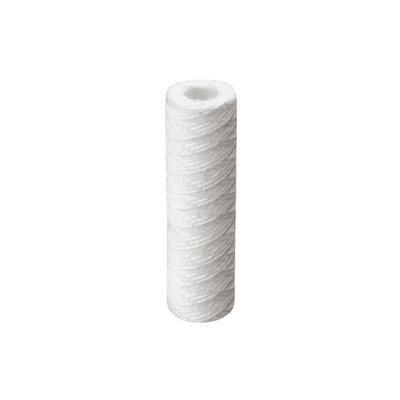
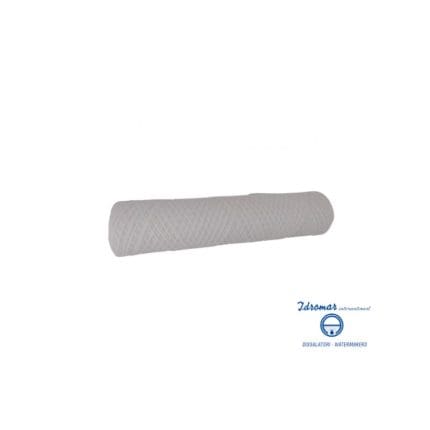 10" Wound Wire Cartridge 20 micron – code: 10MP20 – Idromar
 Brush with spring - code: SGM45 - Gianneschi Pumps and Blowers
 Stainless steel clamps Norma 12–22 mm – code: FAI0012022 – Toscogomma


Choose the right nautical cushion for maintenance and onboard comfort
A well-chosen and regularly checked cushion improves life onboard, reduces corrective interventions, and keeps the setup tidier over time. If you want to navigate among dedicated solutions, explore the reference category or the brand available in the catalog to find the nautical cushion most suitable for your configuration, comparing compatibility, intended use, and technical details before the final choice.
FAQ
How to understand if a nautical cushion needs to be replaced or just cleaned?
If after cleaning there are still deformations, dents, persistent moisture, or a feeling of uneven support, the problem might not be superficial. In these cases, it is advisable to also check the padding, seams, and stability on the base.
What does nautical cushion compatibility mean?
Compatibility concerns the correct matching between the cushion and the mounting area. It is not only the overall size that matters, but also the shape, thickness, edge profile, fastening system, and consistency with the other cushion elements.
What checks to perform on a nautical cushion during maintenance?
It is useful to check the covering, seams, uniformity of the padding, presence of residual moisture, stability when resting, and alignment with the other cushions. Even small unevenness or abnormal tensions can indicate a developing problem.
Is a universal nautical cushion suitable for any seat?
Not always. In the nautical field, surfaces may have curves, special angles, or specific fastening systems. Before choosing, it is important to compare the intended use and characteristics of the installation area; if necessary, check the product sheet.
What is the most common mistake when assembling a nautical cushion?
The most common mistake is forcing the cushion onto a base that is not perfectly compatible. This can create tension on the cover, uneven support, and premature wear. Before use, make sure the surface is dry, clean, and consistent with the shape of the cushion.


