When boat antifouling is really needed
The’boat antifouling it is not an automatic choice to always make in the same way. It is needed when the hull remains in the water long enough to favor the adhesion of algae, slime, microorganisms, and other encrustations that, over time, can complicate ordinary maintenance and worsen the hull's smoothness. In practice, the longer the boat stays still in the water, the more important it becomes to evaluate protection consistent with actual use.
The first useful question is not “which product to choose,” but how the boat is used. A boat that sails often, is regularly hauled out, or spends long periods dry has different needs compared to a unit that remains moored for months in the same place. The type of water also matters: sea, lagoon, inland waters, and areas with a strong organic presence may require different approaches. If the detail is not clear, check the product sheet and compare the indications with the cycle already present on the hull.
In many nautical technical guides the topic is simplified, but in practice the decisive point is another: the antifouling must be compatible with the substrate, with the existing bottom, and with the intended application method. A correct choice arises from the combination of these factors, not from a generic definition.
Typical situations where protection is recommended
- Boat moored for long periods, especially in warm seasons or in waters rich in vegetation.
- Hull already subject to recurring fouling, with frequent need for hull cleaning.
- Units used intermittently, with long intervals between outings.
- Boats that change navigation area, moving from less aggressive contexts to more challenging zones.
On the contrary, if the boat is kept dry or managed with very specific maintenance cycles, the choice must be considered more carefully. In these cases, it is useful to consult a section dedicated to nautical technical guides or to explore the support materials available in the catalog.
Differences between solutions and boat antifouling compatibility
When comparing the various solutions, the real technical issue is the boat antifouling compatibility. It is not enough to distinguish between “stronger” products or “more suitable for the sea”: you need to understand how they interact with the substrate, with the layers already present, and with the result you want to achieve in maintenance.
The main differences generally concern:
- Matrix type, which influences the behavior of the film over time.
- Intended use, related to frequency of navigation, time spent in water, and area of use.
- Compatibility with previous cycles, a decisive aspect in case of repainting.
- Support to be treated, because not all surfaces require the same cycle.
Compatibility with the old antifouling
One of the most common mistakes is applying a new layer without identifying the existing one. If you don't know which cycle is already present, the safest solution is to check the available documentation or proceed with adequate support preparation. In the absence of certain information, check the product sheet whether a connecting coat, a specific primer, or complete removal of the old film is required.
This step is fundamental because some combinations can cause adhesion problems, detachment, or uneven wear. In a truly technical logic, the comparison between solutions is not only based on the final result but also on the ease of integration into the existing cycle.
Compatibility with materials and immersed parts
Another often overlooked point concerns the material of the immersed surface. Hull, appendages, supports, and different components may require different treatments. Not all formulations are suitable for every material, and this is even more true when working on particular parts or surfaces already treated with specific primers.
To guide you, it can be helpful to compare the information present in the sections dedicated to hull maintenance and nautical primers, so as to build a coherent cycle without overlapping incompatible products.
Solutions for seasonal or continuous use
Those who use the boat seasonally tend to look for a simple solution to manage at storage and preparation time. Those who leave the boat in the water longer often need a more stable cycle, capable of maintaining uniform protection over time. The difference is not only in the expected duration but also in the way the film wears and the ease with which it can be resumed the following season.
For this reason, in competitor-driven research on boat antifouling, it is advisable to read the datasheets comparatively: allowed supports, required preparation, compatibility with previous cycles, suggested usage conditions. This is where the real quality of the choice is seen, more than in commercial definitions.
Mistakes to avoid in choosing and applying
Many problems attributed to the product actually depend on incomplete preparation or too quick an initial assessment. The antifouling works well when the cycle is considered as a whole: cleaning, possible sanding, primer if necessary, application of the correct product, and adherence to operational instructions.
Applying without analyzing the substrate
The first mistake is starting the work without understanding what you are working on. A hull with old peeling layers, powdery areas, or poorly anchored residues is not ready to receive a new antifouling. In these cases, covering the problem does not solve it: it postpones it to the first time in the water.
Before proceeding, always check:
- condition of adhesion of the old film;
- presence of detachments or cracks;
- surface uniformity;
- need for primer or intermediate coats.
Underestimating cycle compatibility
The second mistake concerns precisely the boat antifouling compatibility. If the new layer is not suitable for the existing base, the risk is not only aesthetic. Differences in wear, poor adhesion, or difficulties in subsequent maintenance may appear. When reliable information about the product already present is missing, it is preferable to set a more cautious restoration cycle rather than proceed “by similarity.”.
Insufficient surface preparation
A dirty, shiny, or contaminated hull with salt, grease, or dust residues compromises the result. Even a good product can perform poorly if applied on an unprepared base. The preliminary phase must be carried out carefully, following the level of intervention required by the actual substrate and not a standard routine.
To delve deeper into this aspect, it can be useful to consult a guide dedicated to the preparation of nautical surfaces, especially if you are undertaking a complete overhaul or a cycle change.
Using the same approach for every boat
Each boat has a different history: mooring area, frequency of use, hull material, previous maintenance, substrate conditions. Copying the cycle used by another boat can lead to an unsuitable choice. The nautical technical guides most useful are those that help to read the context, not those that propose a universal solution.
Products and categories to consider before ordering
Before ordering, it is advisable to think in terms of functional categories and not just by name or brief description. Antifouling is the last visible step of a broader system, which may include preparation, primer, linking coats, and application accessories. Evaluating only the final product without considering the rest of the cycle often leads to incomplete orders or interruptions of work in the shipyard or storage.
The categories to keep in mind are generally:
- Antifoulings, to be selected based on substrate, use, and compatibility.
- Primers and bases, when the substrate requires it or when changing the cycle.
- Preparation products, , useful for cleaning, sanding, and restoration.
- Application accessories, for uniform spreading and orderly work management.
A well-constructed order starts with three simple checks:
- What is currently on the hull?
- What maintenance result do you want to achieve?
- What intermediate steps are required by the chosen cycle?
If one of these answers is missing, it is better to pause for a moment and check the technical documentation. In case of doubt, check the product sheet if the cycle requires complementary products or specific preparations.
Another useful aspect, especially from a comparative perspective, is to observe how the catalog organizes product families. A clear structure helps to understand if a solution is designed for routine maintenance, complete restoration, or applications on particular substrates. For this reason, it can be useful to also browse products for nautical refitting and sections related to hull protection.
Recommended products

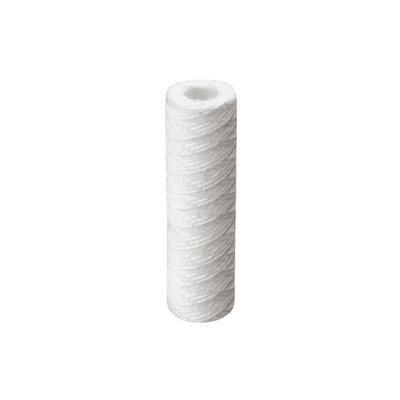
 10" Wound Wire Cartridge 20 micron – code: 10MP20 – Idromar
 Brush with spring - code: SGM45 - Gianneschi Pumps and Blowers
 Stainless steel clamps Norma 12–22 mm – code: FAI0012022 – Toscogomma


How to read technical data sheets without making comparison mistakes
When comparing alternatives, the technical data sheet is more useful than the commercial description. There is no need to look for complex formulas: just a few points read carefully to understand if the solution is really suitable for your boat.
Focus especially on:
- compatible substrates;
- recommended cycles;
- possible need for primer;
- compatibility with previous coatings;
- essential application instructions.
This method makes the comparison more technical and less influenced by generic labels. It is also the best way to avoid hasty orders based only on brand notoriety or habit. In the nautical sector, the effective choice is almost always the one that integrates best with the existing cycle and with the actual use of the boat.
Practical choice of boat antifouling based on actual use
If you want to translate theory into a concrete decision, try starting from a usage scenario. A recreational boat used occasionally and often left in the water will have different priorities compared to a unit moved more frequently. Similarly, a hull already well set up with a coherent cycle requires a different approach compared to a hull with an uncertain history.
In practice, the best choice arises from the intersection of four elements:
- time spent in the water;
- area of use;
- condition of the existing cycle;
- support material.
If these four points are clear, the comparison between solutions becomes much simpler. If one or more elements remain uncertain, the choice should be made with caution, favoring official technical guidelines rather than word of mouth. In this sense, the best nautical technical guides are those that help ask the right questions before ordering.
If you are evaluating the most suitable cycle for your hull, explore the selection of products and brands dedicated to nautical maintenance: you will find solutions designed for different needs, with useful datasheets to compare compatibility, required preparation, and application more consciously.
FAQ
When is it really necessary to apply boat antifouling?
Generally when the boat remains in the water for periods long enough to promote the formation of algae and encrustations. The need depends on the time spent in the water, mooring area, frequency of use, and condition of the hull.
How to check the compatibility of the boat antifouling with the old cycle?
The safest way is to identify the product or type of coating already present and compare it with the indications of the new cycle. If you do not have certain information, check the product sheet to see if primers, linking coats, or removal of the old layer are required.
Can a new antifouling be applied without sanding?
It depends on the condition of the substrate and the existing cycle. If the surface is well anchored and the product allows it, a light preparation may be sufficient. If there are detachments, powdering, or doubts about compatibility, the preparation must be more thorough.
Does the type of water or the hull material matter more?
They both matter. The type of water affects the level of biological aggressiveness, while the hull material influences the compatibility of the cycle. The correct choice comes from the combination of these factors.
What mistakes are most common before ordering?
The most common mistakes are buying without checking the existing cycle, neglecting surface preparation, not considering primers or complementary products, and choosing based on general habits rather than the actual use of the boat.