When talking about components and spare parts for fluid systems, the choice between replacement, repair or scheduled maintenance should never be improvised. A correct decision helps reduce machine downtime, compatibility errors, and repeated interventions over time. In this guide, we analyze how to navigate the world TOSCOGOMMA 2.0 DEI F.LLI FIORINI SNC spare parts, with a practical approach designed for those who purchase, install, or manage maintenance.
The goal is not only to understand when a component needs to be changed, but also to recognize cases where a technical check or preventive maintenance can avoid bigger problems. If you are looking for a toscogomma 2.0 dei f.lli fiorini snc guide useful for the store and for spare parts selection, here you will find the essential checks to perform before ordering and before installation.
For an overview of the brand you can consult TOSCOGOMMA 2.0 DEI F.LLI FIORINI SNC, mentre per approfondire il contesto applicativo può essere utile visitare anche il catalogo ricambi disponibile online, le soluzioni per la manutenzione degli impianti e le guide tecniche per la scelta dei componenti.
What is TOSCOGOMMA 2.0 OF THE F.LLI FIORINI SNC for
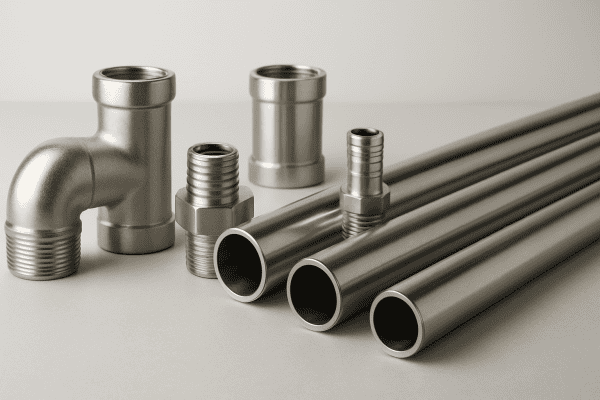
In the context of technical distribution, TOSCOGOMMA 2.0 DEI F.LLI FIORINI SNC is a reference to consider when it is necessary to identify components and spare parts intended for the management of fluids, connections, and parts subject to wear. In practice, the brand comes into play when it is necessary to restore operational continuity, replace a deteriorated element or plan maintenance that prevents sudden failures.
The choice of the correct spare part does not only concern the “missing piece,” but everything related to its actual function in the system:
- type of application;
- usage conditions;
- compatibility with already installed components;
- wear frequency;
- ease of inspection and replacement.
For this reason, talking about toscogomma 2.0 dei f.lli fiorini snc maintenance means addressing a broader topic than just replacement. Well-planned maintenance allows intervention before damage turns into loss of efficiency, operational downtime, or chain incompatibility with other system elements.
In many cases it is advisable to replace when the component shows obvious signs of deterioration, deformation, loss of sealing, or visible wear. It is instead advisable to repair only when the nature of the problem allows it and when the intervention does not compromise reliability, continuity of use, or connection safety. The scheduled maintenance, finally, is often the smartest choice when the system operates regularly and recurring failures need to be prevented.
Se il tuo obiettivo è acquistare con maggiore precisione, può essere utile confrontare anche i criteri di selezione dei ricambi per impianti industriali e le pagine dedicate ai brand trattati nello store, così da arrivare all’ordine con informazioni più complete.
Compatibility, measurements, and technical checks
One of the most common mistakes in choosing spare parts is relying only on the external appearance of the component. In reality, two seemingly similar items can have important differences in attachment, dimensions, materials, or intended use. Before ordering, it is therefore essential to check some basic technical elements.
Checks to perform before ordering
To correctly select a spare part, it is advisable to gather all available information from the installed component or the system documentation. In particular:
- actual measurements of the component to be replaced;
- type of connection or attachment;
- working environment and operating conditions;
- any identifying marks present on the part;
- compatibility with the elements already present in the circuit.
If a detail is uncertain, the best solution is simple: check the product sheet. This is especially true when the spare part must integrate with existing parts and cannot be chosen “by similarity.”.
When the right measurement is not enough
A correct measurement is fundamental, but alone it does not guarantee compatibility. The application context must also be considered. A component installed in a system subject to vibrations, frequent work cycles, or challenging environmental conditions may require different considerations compared to a more linear use.
For this reason, a good toscogomma 2.0 dei f.lli fiorini snc guide must always include a cross-check between:
- dimensions;
- function of the spare part;
- mounting method;
- interaction with other components;
- general condition of the system.
For example, replacing only a worn element without checking the connected parts may solve the problem immediately but not eliminate its cause. If the failure is due to abnormal stresses, incorrect assembly, or widespread wear, the new component could deteriorate quickly.
Documentation and visual comparison: useful, but not sufficient
Photos, codes, and comparison with the removed part are useful tools, but they should not be the only basis for purchase. When possible, it is advisable to also check the spare part’s technical sheet and its intended use. If you have doubts about compatibility or configuration, it is better to stop one step before ordering rather than dealing with a return or incorrect installation.
Typical errors in ordering or installation
Many problems do not arise from the replacement itself, but from an incomplete evaluation before purchase or from assembly carried out without the proper checks.
Ordering quickly without checking the context
The first mistake is buying a component just because it “seems right.” In a store-driven logic, speed is important, but it must not surpass accuracy. A wrong order can slow down more than a well-done technical check at the beginning.
Before confirming, always ask yourself:
- am I replacing the correct component or just the one that shows the most obvious damage?
- have I checked all the useful measurements?
- is the replacement compatible with the rest of the installation?
- has the cause of the problem been identified or am I only addressing the symptom?
Ignoring signs of progressive wear
Another common mistake is intervening only when the component has already failed. In many systems, signals come earlier: loss of efficiency, small anomalies, inconsistent sealing, visible wear, stiffening, or surface alterations. Ignoring these signals often means moving from simple maintenance to urgent replacement.
The correct logic of toscogomma 2.0 dei f.lli fiorini snc maintenance is instead preventive: observe, verify, plan. A periodic check can reveal critical issues that, if addressed in time, avoid more invasive interventions.
Installing the replacement without checking connected parts
Even a correct replacement can yield disappointing results if installed in an already compromised system. It is good practice to always check the condition of adjacent parts, the cleanliness of contact surfaces, any mechanical stress, and the consistency of the assembly with the actual application.
In summary, the main mistakes to avoid are:
- choosing by similarity and not by verified compatibility;
- lack of reliable measurements;
- failure to analyze the cause of the fault;
- replacing only the visibly damaged component;
- installation without checking the system as a whole.
When in doubt about identifying the replacement or its correct application, store support can make a difference. Better one more check than an operational stop caused by a rushed order.
Useful products, spare parts, and accessories
Those looking for TOSCOGOMMA 2.0 DEI F.LLI FIORINI SNC spare parts often has an immediate need: to replace a worn part or restore compromised functionality. However, in terms of efficient maintenance, it is also worth considering complementary elements that can affect the system’s lifespan and the simplicity of the intervention.
Not always, in fact, is the component to be changed the only one to consider. In many cases, it is useful to also check for the presence of accessories, connecting elements, consumable parts, or associated components that work together and may have suffered the same wear. This approach allows:
- reducing the risk of repeated interventions in a short time;
- improve operational continuity;
- optimize inventory management;
- make scheduled maintenance more efficient.
When you consult a product sheet, don't just look at the spare part name. Also check the description, compatibility, application notes, and useful installation information. If a detail is unclear, check the product sheet or compare multiple solutions available in the store to understand which one is most consistent with your system.
Another important aspect is the distinction between reactive replacement and planned replacement. In the first case, intervention occurs after the failure. In the second, the replacement is scheduled based on the usage condition, periodic checks, and the criticality of the component in the system. For many operational realities, the second option is the one that brings more order to spare parts management.
If you are building an internal control procedure, it can be useful to create a simple checklist with these points:
- component identification;
- date of last intervention;
- observed visual condition;
- any anomalies found;
- need for immediate replacement or monitoring;
- verification of connected components and useful accessories.
This method helps both the purchaser and the field maintenance personnel because it reduces decisions based on momentary urgency and makes spare parts selection more straightforward.
When it is advisable to replace, repair, or schedule maintenance
The central question of this guide is simple only in appearance. Understanding when to replace, repair, or schedule maintenance depends on three factors: component condition, impact of the failure and recurrence of the problem.
When it is advisable to replace
Replacement is generally the most sensible choice when the component shows obvious wear, loss of functionality, visible damage, or when repair would not provide reliable continuity. It is often the preferred route when operational downtime must be minimized and a clear, quick, and verifiable solution is needed.
When repair may make sense
Repair can be considered if the problem is limited, if the component allows it, and if the restoration does not introduce uncertainties about subsequent use. In general, however, it should not be a shortcut. If the damage signals overall wear or incorrect compatibility, repairing risks only postponing the problem.
When scheduled maintenance is the best choice
Scheduled maintenance is the most effective solution when the system operates continuously or when some components are subject to predictable wear. Planning inspections and replacements helps avoid emergencies, improve spare parts organization, and reduce unexpected issues.
From a practical perspective, the best strategy is often this: monitor regularly, replace only when really necessary, repair only if it makes technical sense. This is exactly where a good selection of spare parts and a well-made buying guide become operational tools, not just informational.
If you want to find the most suitable solution for your system, visit the brand page TOSCOGOMMA 2.0 DEI F.LLI FIORINI SNC on Technofluid and explore the spare parts available in the store: starting from a correct selection today means reducing errors, unnecessary replacements, and downtime tomorrow.
FAQ
When is it better to replace a component instead of repairing it?
It is advisable to replace it when there is obvious wear, loss of functionality, visible damage, or when repair would not ensure reliable continuity. If the problem tends to recur, replacement is often the most effective choice.
How to check the compatibility of a TOSCOGOMMA 2.0 SPARE PART FROM F.LLI FIORINI SNC?
It is useful to check measurements, fittings, component function, and application context. If a detail is uncertain, verify it in the product sheet and compare the spare part with the installed component and the system configuration.
Is scheduled maintenance really useful even without obvious faults?
Yes, because it allows you to detect progressive wear and anomalies before operational downtime. Periodic checks help plan the replacement of critical components and reduce urgent interventions.
What are the most common mistakes when ordering a spare part?
Among the most common mistakes are choosing based on visual similarity, failing to verify measurements, not checking connected parts, and purchasing without identifying the real cause of the problem.
What to do if I am not sure about the correct replacement?
Before ordering, gather all available information about the installed component and check the product sheet. If doubts remain, it is advisable to request a technical comparison to avoid incompatibilities or incorrect installations.