


When a nautical compass is really needed on board
The nautical compass remains one of the most important instruments when you want to maintain a clear and readable course in any condition. Even on boats equipped with modern electronics, a well-chosen compass continues to offer an immediate, independent, and easy-to-consult reference. It is not just a “backup” solution: in many contexts, it is the starting point for quick orientation, especially when a simple and continuous reading of the direction is desired.
On nautical technical guides, the compass is often underestimated until practical doubts arise: where to install it, which size to choose, how to avoid interference, how to understand if it is suitable for your console or steering station. This is exactly where technical evaluations come into play that make the difference between a correct purchase and a choice that creates problems already during installation.
A compass can be concretely useful when:
- you want a directional reference always visible from the helm;
- you are updating the onboard instrumentation;
- you are replacing an existing model with one of a different shape or size;
- you are setting up a new steering station;
- you want to integrate analog and electronic instruments without installation conflicts.
Those who navigate regularly know that ease of reading matters as much as build quality. A poorly positioned compass, with limited visibility or inconsistent with the console layout, can be inconvenient precisely when it should help the most. For this reason, the choice should not be made solely based on aesthetics, but starting from real use, steering position, and compatibility with the boat.
Se stai confrontando anche altri strumenti di bordo, può essere utile approfondire le guide tecniche nautiche e consultare contenuti dedicati alla strumentazione per la navigazione, così da valutare l’integrazione complessiva della plancia.
Nautical compass compatibility: differences between solutions, sizes, and installation
The theme of nautical compass compatibility is central. Many problems do not arise from the compass itself, but from the fact that the chosen model is not consistent with the available space, the reading angle, or the structure of the station. When comparing different solutions, it is advisable to consider some technical aspects even before the design.
Flush or surface mounting
A first difference concerns the type of installation. Some compasses are designed to be inserted into a dedicated seat on the console, others to be fixed on an already existing surface. The choice depends on how the helm is made and how much free space there is around.
Flush mounting can offer a more integrated and clean solution, but requires attention to the hole size, panel thickness, and accessibility during fastening. Surface mounting, on the other hand, can be more flexible in positioning but must be checked to ensure it does not obstruct the view or the use of other instruments.
Before purchasing, check the product sheet check the intended type of installation and compare it with your console.
External dimensions and actual space requirements
One of the most common mistakes is looking only at the main measurement, without considering the overall dimensions. A compass may seem compatible at first glance, but cause difficulties due to the frame, base, or the space needed for rear mounting.
In a proper evaluation, it is advisable to check:
- diameter or installation footprint;
- space available in front of and behind the dashboard;
- distance from windshield, throttle controls, instruments, and steering wheel;
- viewing angle from the driving position;
- any structural obstacles under the console.
This analysis is especially crucial in replacements, where it is often assumed that a new model can occupy the same space as the previous one. In reality, even small differences in shape may require unforeseen adjustments.
Orientation and readability from the helm
A compass must be read naturally, without forcing the helmsman to change posture or divert their gaze too much from navigation. For this reason, compatibility concerns not only the mounting but also the consistency between the instrument's position and the observation point.
If the console is tilted, if the windshield causes reflections, or if driving often occurs standing up, readability can vary greatly. In these cases, it is useful to carefully evaluate the dashboard profile and how the compass will be consulted during actual use. Again, if the detail is unclear, check the product sheet.
Interference with other onboard instruments
The compass should never be considered as an isolated element. The dashboard often houses electronic instruments, wiring, mounts, speakers, metal elements, and accessories that can make positioning more complicated than expected. One of the most important assessments in nautical technical guides concerns the distance from components that may interfere with proper functioning or reading.
Per questo è sempre consigliabile pianificare l’installazione all’interno della disposizione complessiva della console. Se stai rivedendo l’assetto della timoneria, può essere utile confrontare anche altri accessori per la plancia di comando e leggere approfondimenti su accessori nautici per il posto guida.
Mistakes to avoid when choosing and installing a marine compass
When looking for a marine compass with a comparative approach, the most frequent mistakes are almost always the same. Avoiding them means reducing the risk of incompatibility, returns, and unwanted modifications to the console.
Choosing based on shape without checking compatibility
The first mistake is choosing a compass just because it matches the dashboard aesthetically. A pleasing finish or a line consistent with the instrumentation is not enough if the product is not compatible with the available space or the type of mounting required.
The correct choice always starts with a technical check: measurements, installation location, orientation, and distance from other components.
Ignoring the helmsman's actual position
Not all boats are operated in the same way. In some cases, steering is mainly done seated, in others from a raised or standing position. This directly affects the readability of the compass. Installing it without considering the helmsman's usual posture can make it less useful than expected.
A simple but effective check is to simulate the view from the driving position before installation, verifying if the instrument remains clear and easy to read.
Neglecting the space behind the console
Many incompatibilities only emerge at the time of installation. The compass seems to fit perfectly in front, but behind the dashboard there may be reinforcements, wiring, or other elements that prevent proper mounting. This is a critical point especially in replacements and refits.
Before purchasing, it is advisable to carefully inspect the back of the console. If the product requires depth or access for installation, check the product sheet the available information.
Mounting the compass too close to other elements
A compass placed in an overcrowded area can be difficult to read or use. Beyond the issue of possible interference, there is an ergonomic matter: the instrument must have a clear visual area, without being squeezed between displays, supports, or controls.
An orderly arrangement of the dashboard helps not only aesthetics but also quick consultation during navigation.
Not considering the usage context
The choice also changes depending on the type of boat, the console configuration, and the environment in which the compass will be used. A solution suitable for a large dashboard may not be ideal on a compact station. Similarly, a simple configuration may require a basic compass, while a more complex dashboard demands additional compatibility checks.
Per orientarti meglio tra i componenti della timoneria, può essere utile consultare anche contenuti dedicati a strumenti e accessori di bordo.
Products and categories to consider for making a good choice
When evaluating a marine compass, the comparison should not be limited to the single item viewed in isolation. It is more useful to think in terms of functional categories and installation context. This approach, typical of the best nautical technical guides, helps to understand if the identified model is truly consistent with your boat.
The main variables to consider are:
- type of mounting, based on the console structure;
- shape of the driving station, to avoid obstructions or awkward views;
- available useful space, both on the surface and behind the panel;
- presence of other instrumentation, to maintain order and readability;
- continuity with the rest of the dashboard, , useful for a clean and functional integration.
Another important aspect is the relationship between the compass and the rest of the setup. If you are upgrading the console, it may make sense to also consider supports, analog instruments, fastening elements, and accessories connected to the control area. This helps avoid separate interventions and design a more rational layout.
When comparing, always read the product datasheet carefully and focus on the details that affect compatibility. If a piece of data is not clearly stated, the safest rule is simple: check the product sheet or compare the installation drawing with your dashboard.
A well-chosen compass is one that integrates smoothly, is easy to read, and does not cause doubts during installation. The real goal is not to find a “universal” solution, but to identify the one best suited to your actual configuration.
Recommended products

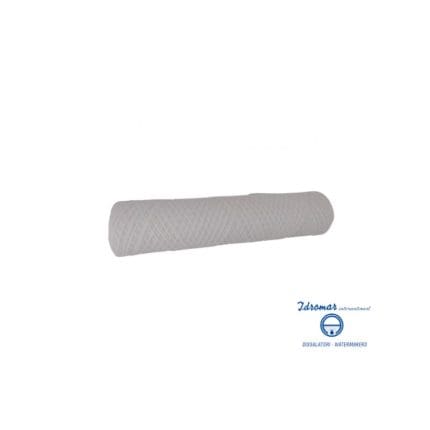 10" Wound Wire Cartridge 20 micron – code: 10MP20 – Idromar
 Brush with spring - code: SGM45 - Gianneschi Pumps and Blowers
 Stainless steel clamps Norma 12–22 mm – code: FAI0012022 – Toscogomma



Choosing the right nautical compass with a technical approach
If you want to avoid compatibility errors, the best method is to start from your console and not from the single product seen online. Compare measurements, type of installation, available space, and the arrangement of other instruments, then orient yourself towards the category best suited to your onboard setup. To deepen your choice and find the most consistent solution with your helm, explore the Technofluid catalog dedicated to nautical instrumentation and accessories.
FAQ
How to check the compatibility of a marine compass with the console?
To check compatibility, it is advisable to verify the type of mounting, front and rear dimensions, available space on the dashboard, and reading position from the helm. If some details are unclear, check the product sheet.
Is it better to have a built-in or mounted marine compass?
It depends on the structure of the console and the available space. A recessed solution can integrate better into the dashboard, while a supported one can offer more positioning flexibility. The correct choice should be made based on the actual installation.
What mistakes are most often made when choosing a marine compass?
The most common mistakes are choosing only based on aesthetics, not checking the space behind the console, ignoring the helmsman's view, and mounting the compass too close to other instruments or dashboard components.
Should the nautical compass be considered together with the other onboard instruments?
Yes, because the layout of the dashboard affects readability, practicality, and compatibility. Evaluating the compass together with the other instruments helps to avoid clutter, interference, and impractical installations.


