


What is the purpose of proper management of engine parts and oils
Talking about engine parts and oils means dealing with two elements that always work together: on one side the components subject to wear, on the other the lubricant that helps protect the engine's operation over time. A choice made without checks can cause incompatibilities, ineffective assemblies, or maintenance not aligned with the real needs of the vehicle or system.
In a engine parts and oils guide really useful, the starting point is not the single item, but the system as a whole. Filter, seals, gaskets, service elements, support accessories, and oil must be considered as connected parts. When replacing an engine component, it is often appropriate to also check what works around that component, so as to avoid repeated interventions in a short time.
A correct approach helps to:
- reduce purchase errors related to compatibility or unchecked measurements;
- organize a more consistent maintenance with the actual use of the engine;
- match parts, accessories, and consumables logically;
- simplify the work of those who must install or replace the components.
Per orientarti tra categorie affini può essere utile consultare anche le guide dedicate ai componenti di servizio, dove trovi indicazioni pratiche su abbinamenti e controlli preliminari. Se invece stai valutando un intervento più ampio, può essere utile confrontare ricambi e accessori correlati per la manutenzione del motore così da costruire un ordine completo e coerente.
The advantage of this approach is simple: you do not just buy a spare part, but prepare a more organized intervention. In a professional context, this makes a difference because it limits operational stops and reduces the risk of having to reopen the work due to an accessory shortage, such as an unexpected gasket or oil not suitable for the type of application.
When it is advisable to evaluate parts and oil together
The pairing between spare part and lubricant is particularly important in some recurring situations. For example:
- when performing a scheduled replacement of components subject to wear;
- when the engine has been idle for a long time and you want to restart with a more reliable maintenance base;
- when working on parts that can affect sealing, filtration, or lubricant circulation;
- when you want to standardize the material purchased for a workshop, a technical department, or a fleet.
In all these cases, the best approach is to first verify the usage context and then select compatible components, always checking the references listed in the product sheet.
Compatibility, measurements, and technical checks for engine spare parts and oils
The most delicate phase is almost always compatibility. Many errors arise from the fact that two items seem similar but differ in attachment, size, shape, material, or intended use. In the case of engine spare parts and maintenance oils, the check must be even more careful, because a correct component paired with an inconsistent oil can compromise the intervention result.
Before adding an item to the cart, it is advisable to check some essential aspects:
- model and application of the engine or system being worked on;
- reference codes of the spare part already installed, if available;
- measurements and connections, especially in the presence of sealing or connection elements;
- declared compatibility in the product sheet;
- type of use, to understand if the component is suitable for the operational context.
When a detail is not immediately clear, the safest rule is just one: check the product sheet. This applies both to spare parts and oils, because the correct match often depends on technical information that cannot be deduced solely from the external appearance or product category.
Measurements are not a secondary detail
In daily work, it often happens to focus on the component name and overlook the measurements. This is a common mistake. Even a minimal difference in diameter, height, pitch, seat, or type of fitting can make the spare part unsuitable. The same applies to accessory elements such as sealing rings, fittings, supports, or mounting components that must work continuously with the main spare part.
For this reason, it is useful to prepare a small internal checklist before ordering:
- record the data of the component to be replaced;
- photograph the existing assembly, if necessary;
- compare the references with the available documentation;
- check for any related components to be replaced together;
- check the correspondence of the oil indicated for that application.
Un supporto pratico può arrivare anche da approfondimenti su filtri, tenute e parti correlate, utili per capire quali elementi controllare quando si costruisce un ordine completo e non limitato al solo ricambio principale.
How to correctly read a product sheet
In a store-oriented guide, the product sheet is the most important point. It is there that the decisive details must be verified: compatibility, measurements, any application notes, and useful indications for pairing with other components. You should never take for granted that an item is suitable just because it belongs to the same product family as the one already installed.
When consulting a sheet, pay particular attention to:
- technical description of the spare part;
- fields related to measurements and connections;
- any notes on use or assembly;
- cross-references, if present;
- indications for accessories or complementary components.
If your goal is to organize a engine parts and oils guide for repeated purchases, it is also advisable to save an internal history of the combinations already verified, thus speeding up future reordering.
Typical errors in ordering or installing engine spare parts and oils
Many problems do not arise from a defect in the component, but from a selection or assembly phase handled hastily. In the field of engine parts and oils, the most common errors are often the same: ordering the right spare part without considering the necessary accessory, or choosing the oil without checking if the engine intervention also requires other related replacements.
Error 1: ordering only the main component
This is a very common situation. The spare part to be replaced is identified, but the elements that complete its installation are forgotten. Gaskets, seals, supports, fastening parts, or service accessories can be essential for correct assembly. If they are missing, the intervention is interrupted or closed provisionally.
To avoid this, it is advisable to think in functional groups: not only the piece to be changed, but everything around it.
Error 2: relying only on visual similarity
Two spare parts may look identical but have decisive differences. Relying solely on external shape exposes you to compatibility errors, especially when working with engines from different series or with updates over time. Verification must always go through codes, measurements, and technical sheets.
Error 3: neglecting the condition of related components
In a proper engine spare parts and maintenance oils, it is important to also consider the context. If a component is replaced because it is worn, other nearby elements might be in similar conditions. Ignoring them means risking a new downtime soon. It is better to evaluate in advance whether it is advisable to complete the intervention with accessories or secondary spare parts already compatible.
Error 4: choosing the oil without verifying the application
Oil should not be considered as a separate and generic purchase. It must be consistent with the type of engine, the intended use, and the components involved in maintenance. If you have doubts, check the product sheet and compare the available information before ordering.
Error 5: do not prepare the assembly
Even the best match between spare part and oil can be compromised by an inaccurate installation. Before assembly it is useful to:
- clean the work area and contact surfaces;
- check that no residues of the previous component remain;
- verify the condition of the seats and seals;
- make sure you have all the necessary accessories;
- recheck the correspondence of the ordered material.
Chi gestisce manutenzioni ricorrenti può trovare utile consultare anche contenuti dedicati alla preparazione dell’intervento e ai ricambi complementari, così da ridurre omissioni e ordini integrativi dell’ultimo minuto.
Useful products, spare parts and accessories to combine
A store-driven guide should not be limited to explaining what to buy, but also how to build a sensible combination. In the world of engine spare parts, this means considering together the main components, consumables and accessories that make the intervention more complete.
When evaluating a replacement, try to think in this way:
- main spare part: the component that solves the immediate need;
- sealing or fastening elements: what allows a correct assembly;
- compatible oil: the consumable to check based on the application;
- related components: parts that work in the same circuit or area;
- service accessories: items useful to complete maintenance, replacement or inspection.
This approach is particularly effective when you want to avoid returning multiple times to the same engine. In practice, instead of making a fragmented purchase, you build a more coherent order with the actual intervention.
How to create a reasoned purchase kit
Even without talking about predefined kits, it is useful to set an internal kit logic. This means mentally associating, or in your management system, the components that are usually checked or replaced together. For example, if you work on a part of the engine related to lubrication, it may make sense to also check the elements that affect sealing, filtration, and circuit continuity.
A practical procedure can be this:
- identify the main component to be replaced;
- check which parts need to be removed or reopened during the work;
- verify if there are gaskets, seals, or accessories to be renewed;
- match the correct oil based on the application;
- double-check everything in the product sheet before confirmation.
Per ampliare la ricerca in modo ordinato, può essere utile consultare le categorie collegate ai ricambi motore e ai materiali di manutenzione, così da individuare più facilmente ciò che completa l’intervento senza disperdere tempo tra sezioni non pertinenti.
Another advantage of this method is standardization. If you work in a workshop, in a technical warehouse, or in the management of multiple vehicles, creating recurring combinations helps simplify reordering and maintain greater consistency between interventions.
Recommended products
Go to the Engine Spare Parts and Oils category
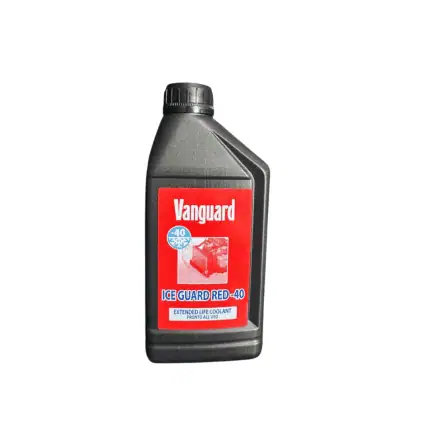 Ready-to-use antifreeze fluid ice guard red – 40 1L – code: V3203 RED 1L – Vanguard

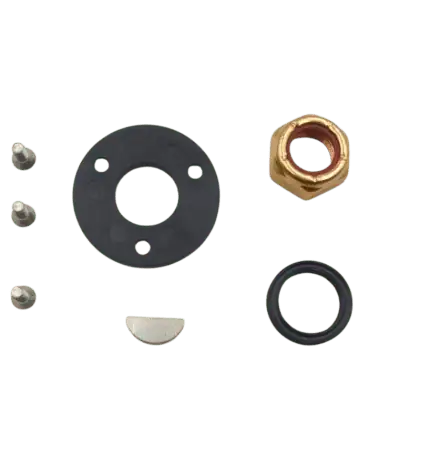 Seastar and Baystar pump overhaul kit - code: ST-HP6032 - Indemar


How to organize more effective engine spare parts and oil maintenance
Maintenance works better when it is not only reactive. Waiting for a failure or an obvious problem often leads to urgent orders, incomplete checks, and a higher likelihood of error. Minimal planning, instead, allows you to manage more clearly the choice of engine parts and oils.
To make the process more efficient, you can adopt some good practices:
- keep track of spare parts already installed and their compatibility;
- note which accessories are frequently replaced together with the main component;
- create an internal checklist before ordering;
- always consult the product sheet to confirm technical data;
- group purchases by intervention, not by single item.
This setup is particularly useful for those who want to turn a simple product search into a true engine parts and oils guide operational process. The benefit is not only organizational: it also improves the quality of the purchase because it reduces the gap between technical need and final store selection.
If you are looking for a more orderly solution for your interventions, explore the category dedicated to engine spare parts and the available brands: comparing product sheets, applications, and related components helps you build a complete purchase, suitable for your maintenance and easier to manage over time.
FAQ
How to correctly choose engine parts and oils for complete maintenance?
The safest method is to start from the actual application of the engine and check compatibility, dimensions, connections, and technical notes in the product sheet. In addition to the main spare part, it is advisable to also check seals, gaskets, mounting accessories, and related components, so as to build an order consistent with the intervention.
Why is it useful to combine oil and spare parts in the same order?
Because many engine interventions do not concern a single isolated component. Matching oil, spare parts, and accessories helps avoid oversights, reduces the risk of stopping work due to a missing element, and makes maintenance more organized.
What checks to make before buying an engine spare part?
It is advisable to check the model, application, reference codes of the component to be replaced, dimensions, fittings, and declared compatibility. If any data is unclear, it is better to verify it in the product sheet before confirming the purchase.
Are the related accessories really necessary?
Often yes. Sealing, fastening, or service elements can be essential for correct assembly. Neglecting them means risking an incomplete installation or having to reopen the intervention shortly after.
What is the most common mistake when choosing engine spare parts and oils?
One of the most common mistakes is relying solely on visual similarity or the generic name of the component. In reality, differences in size, fitting, or application can make an item unsuitable. For this reason, it is always important to compare the technical data and information present in the product sheet.


