When talking about lights and headlights, the choice should never be reduced to a simple aesthetic replacement. In a vehicle or a work machine, these components affect visibility, vehicle recognition, and continuity of use over time. A guide lights and lamps really useful guide starts with three practical questions: what system is present, which elements are compatible, and what lifespan can be expected based on actual use.
For those buying online, the critical point is to avoid matching errors. It is not enough that the light “looks like” the one already installed: connections, dimensions, installation position, work environment, and type of replacement matter. In this guide, we see how to navigate technical checks, maintenance, and useful accessories, so you can choose more confidently and arrive at the right product sheet already with the essential data in hand.
What is the purpose of choosing lights and headlights well
The lights and headlights have a practical function even before a visual one: they make the vehicle identifiable, signal presence and direction, and help maintain an orderly use of the existing system. For this reason, the correct choice does not only concern the replacement itself but the context in which it will be installed.
A light intended for occasional use may require different considerations compared to a component used every day, perhaps in environments exposed to dust, moisture, or vibrations. The mounting position also matters: front, rear, side, or on more exposed points require different attention in terms of shape, fastening, and protection.
In a purchase-oriented guide, it is advisable to consider these aspects:
- type of system already present on the vehicle;
- function of the light or the light to be replaced;
- mechanical compatibility with housing, supports, and connections;
- such as prolonged stops or intermittent use. usual;
- ease of maintenance and future replacement.
Those looking for a reliable solution should therefore start from the actual use and not just from the generic category of the spare part. If you want to explore other components related to vehicle management, it can be useful to consult the technical guides on the blog or explore spare parts for systems and connections to have a more complete overview of the whole.
Compatibility, measurements, and technical checks for lights and headlights
The most important phase in the choice is the verification of the compatibility. Many returns or order errors arise precisely from checks done hastily. Even when the replacement seems visually correct, the attachment, wiring, dimensions, or configuration of the light body may differ.
Start from the existing system
The first check concerns the system on which the component will be installed. Before purchasing, it is useful to observe the light already mounted and gather some basic information:
- type of connection present;
- number and arrangement of contacts;
- presence of dedicated supports, brackets, or bases;
- general condition of cables and connections;
- any marks or codes reported on the existing component.
If the vehicle has undergone modifications over time, do not assume that the originally installed replacement is still the correct one. In these cases, it is even more important to carefully compare the installed part with available images and data, and when a detail is unclear check the product sheet.
Measurements, dimensions, and fastening points
A second fundamental step concerns the measurements. Even small differences can make assembly uncomfortable or impossible. The most useful checks are:
- width and height of the light body;
- depth and space available behind the installation point;
- distance between fixing holes;
- shape of the base or support;
- correct orientation of the component.
When possible, it is advisable to measure the part disassembled or photograph it from multiple angles. A frontal photo alone is often not enough: problems mainly arise at the back, where mounts, cable passages, and fastening systems are located.
Functional compatibility and intended use
Not all lights perform the same function, and confusing one type with another is a common mistake. When searching for the spare part, make sure to precisely identify the function of the component you need to replace. If the store catalog divides product families, it can be useful to browse the categories dedicated to headlights and lighting components to better filter your choice.
Another often overlooked aspect is the working environment. Vehicles used outdoors, in operational areas, or in contexts with dirt and continuous stress require a more careful evaluation of the light structure, mounting point, and connection protection. Again, if you have doubts about materials or construction features, check the product sheet.
Useful checks before ordering
To reduce the margin of error, before completing the purchase prepare a mini check-list:
- compare the old component with photos and description;
- check mounts, wiring, and fastenings;
- verify if additional accessories are needed for assembly;
- make sure the installation position matches;
- if the vehicle has been modified, check the actual system and not just the vehicle model.
This simple procedure applies both to those purchasing a single replacement and to those planning a broader replacement. In both cases, a good guide lights and lamps should help to read compatibility in a concrete, not theoretical, way.
Typical errors in ordering or installing lights and lamps
The most common mistakes almost never depend on the product itself, but on incomplete information gathering before ordering or assembly performed without preliminary checks. Knowing recurring mistakes helps to avoid them.
Purchasing based on the image alone
One of the most frequent mistakes is choosing the replacement by looking only at the main photo. Two lights may look identical from the front but differ in the back, mounts, spacing, or orientation. For this reason, it is always useful to read the full description and check all available images.
Neglecting existing wiring
Another typical problem concerns the connection to the system. If the connectors or cables present on the vehicle do not match the configuration of the new component, assembly becomes complicated and may require unforeseen adaptations. Before purchasing, carefully observe the back of the current light and the condition of the wiring.
Do not check supports and mounting seat
It often happens to focus on the light body and forget the fastening system. In reality, this is where many incompatibilities arise: misaligned holes, different base, insufficient space, or worn support. If the previous headlight has suffered impacts or deformations, also check the seat where the new replacement will be mounted.
Ignoring wear of the surrounding system
Replacing only the headlight does not always solve the problem. If cables, connections, sheaths, or supports are deteriorated, the new component may not work under optimal conditions. A correct lights and lamps maintenance part starts right here: do not limit yourself to the visible piece, but check the entire installation point.
Among the signs not to be underestimated are:
- oxidation in contacts;
- stiffened or damaged cables;
- loosened supports;
- infiltrations or persistent dirt in the mounting area;
- previously improvised fastenings.
If you notice one or more of these elements, it may be useful to also consider accessories and components for system restoration, so as to avoid having to intervene twice on the same point.
Products, spare parts, and accessories useful for a more complete choice
When buying lights and headlights, it is often better to think in terms of the system. The main replacement is important, but complementary elements can also make a difference during installation and over time.
For example, in the presence of outdated wiring or supports no longer in good condition, it may be sensible to check if compatible accessories exist that simplify mounting or improve system organization. The same applies to fastening components, protections, and connecting parts that are often overlooked until installation.
A practical approach is to ask yourself:
- can the replacement be mounted with the equipment already present?
- are support or adaptation elements needed?
- is the existing wiring in adequate condition?
- is it worth replacing worn secondary parts as well?
This logic is particularly useful for those who want to reduce downtime and organize a more efficient purchase. Instead of focusing only on the main part, it is advisable to check the set of related spare parts. To better guide yourself among component families and compatible solutions, you can also consult the sections dedicated to related spare parts.
From an operational point of view, a good strategy is to prepare the order after checking the vehicle in person. Taking measurements, photos, verifying connections and supports allows for more precise choices and reduces the risk of purchasing a component that is correct only in appearance.
Lights and headlights maintenance: how to extend the life of the replacement
The lights and lamps maintenance does not require complex interventions, but benefits from regular and targeted checks. Even the best replacement part can last less than expected if it operates in a neglected environment or is mounted on unstable supports and compromised connections.
Periodic cleaning and visual inspection
Frequent visual inspection helps to identify early signs of wear. It is useful to observe:
- condition of the external surface;
- presence of persistent dirt or residues in the mounting area;
- stability of mounting;
- condition of the input cables and connections;
- overall integrity of the light housing.
Cleaning should be carried out carefully, avoiding improvised interventions that could damage surfaces or connection parts. If the vehicle operates in harsh environments, these checks should be included in the regular inspection routine.
Beware of vibrations and shocks
Many problems do not originate from the component itself, but from the stresses it is exposed to. Continuous vibrations, accidental shocks, and not perfectly stable fixings can affect the lifespan of the replacement part. For this reason, after replacement, it is useful to check that the mounting is secure and that the light does not work under tension relative to the support.
When to also replace secondary elements
In some cases, insisting on reusing very worn supports, connectors, or accessory parts only leads to more frequent maintenance. If during the inspection compromised secondary components emerge, it may be more convenient to replace them at the same time, always after verifying compatibility in the related product sheet.
Well-done maintenance is not only preservative: it also improves the quality of future choices, because it allows you to understand precisely which parts wear out first and which accessories are truly useful in your usage context.
Recommended products
Go to the Lights and Headlights category
 12 LED G4 Bulb Ø 30 mm side mount – code: 14.450.01 – Osculati
 LED BAY15D bulb offset pins for navigation lights 12-24 V 2.5 W – code: 14.444.01 – Osculati
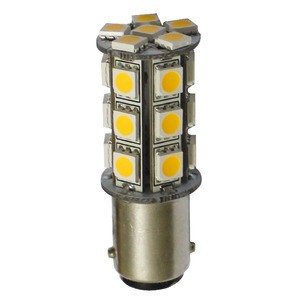 LED bulb 12/24 V BA15D 2.5 W 264 lm – code: 14.443.12 – Osculati
 White body light 12 V, 135° stern, white light <20 m, model Stella Polare – code: L5774580 – Trem
 White body light 12 V, 135° stern, white light <12 m, mod. Ministar – code: L5974580 – Trem
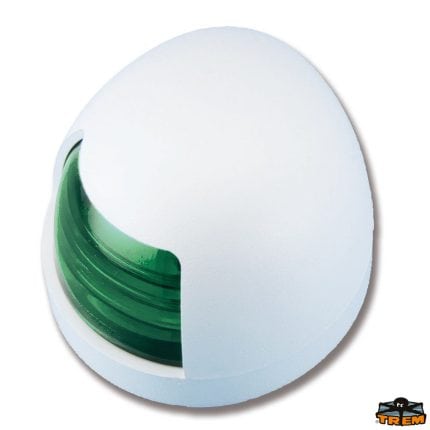 Body light white 12 V, 112.5° straight, green light <12 m, mod. Antares - code: L6674550 - Trem

 Jo nat 1.5w 1030v stainless steel 1p – code: FASP1621X11CA00- Quick
How to buy lights and headlights online with less margin of error
Buying online consciously means arriving at the product sheet with the right information. If you have already checked the system, measurements, fixings, and wiring conditions, the selection becomes much easier. In case of doubt, it is better to spend an extra minute on technical comparison rather than proceed by similarity.
The most effective method is this: identify the function of the component, compare the existing replacement, check the mounting point, and verify any necessary accessories. Only after these steps does the choice become truly reliable. If you are looking for a solution suitable for your vehicle or want to compare multiple available options, explore the dedicated category or the brands handled in the store: you will find a selection designed to facilitate the matching between lights and headlights, system and related replacements.
FAQ
How do I know if a headlight is compatible with my system?
Check the already mounted component and compare connections, contact positions, fastenings, dimensions, and the function of the light. If a detail is not clear, check the product sheet.
Is it enough to compare the photo of the headlight to choose the right replacement?
No, the front image alone is not enough. Two similar components can have different backs, connectors, or supports. It is advisable to always check measurements, connections, and mounting system.
When is it advisable to also check wiring and supports?
Always, especially if the previous headlight showed recurring problems or if the vehicle operates in harsh environments. A new replacement may not solve the problem if cables, connections, or mounts are worn out.
What checks to make before ordering lights and headlights online?
It is useful to photograph the existing part, measure it, check the mounting points, verify the function of the component, and observe the condition of the wiring. This reduces selection errors.
How to improve the lifespan of lights and headlights after replacement?
Good maintenance includes regular cleaning, checking fastenings and connections, inspecting for any vibrations, and replacing worn secondary elements when necessary.