


What lights and lamps are for in choosing the correct replacement
When talking about lights and headlights, the choice is not only about aesthetics or simply replacing a worn component. For those who buy professionally, the key point is to identify the product best suited to the vehicle, the usage context, and the type of installation already in place. A selection made with care helps reduce ordering errors, downtime, and unforeseen subsequent interventions.
In a real guide lights and lamps, the first criterion is to understand the function of the component within the vehicle or equipment. Some elements are intended for signaling, others for illuminating the work area, and others complete optical groups to be replaced in case of damage or wear. Therefore, the way the replacement is evaluated changes: it is not enough that it “looks like” the one installed, it must be consistent with the actual application.
Professionals, in fact, tend to start with some practical questions:
- is the replacement for a direct substitution or for an upgrade of the system;
- must it integrate with supports, wiring, or fastenings already present;
- is the use frequent, occasional, or in harsh work environments;
- is a complete component needed or a spare part connected to the existing group.
Questo approccio evita acquisti approssimativi e rende più semplice orientarsi tra le diverse soluzioni disponibili nello store. Per chi vuole approfondire anche altri componenti collegati all’impianto e alla gestione del mezzo, può essere utile consultare le guide tecniche del catalogo oppure visitare la sezione dedicata ai ricambi per applicazioni professionali.
Guide lights and lamps: how to evaluate compatibility, measurements, and technical checks
The most important phase in the choice is verifying compatibility. This is where most errors occur, especially when ordering a replacement based on a photo or a too brief description. A correct guide lights and lamps must therefore start from concrete checks to be done before purchase.
Check the shape of the component and the type of mounting
The first aspect to observe is the configuration of the part to be replaced. Even with similar products, decisive details can vary such as:
- general shape of the lamp or light body;
- position of the fixing points;
- mounting orientation;
- presence of brackets, supports, or integrated bases;
- overall dimensions compared to the available space.
When the replacement must fit into an existing seat, even a minimal difference in structure can make installation impractical or incorrect. For this reason, it is always advisable to compare the installed component with images, drawings, and indications present in the datasheet. If a detail is not clear, check the product sheet.
Measurements and connections: the checks that make the difference
Another essential step concerns measurements and connection to the system. Professionals do not just read the category name but always verify:
- external dimensions;
- hole center distance;
- type of connection;
- arrangement of connections;
- possible compatibility with wiring or adapters already in use.
Questi elementi incidono direttamente sulla possibilità di montare il ricambio senza modifiche indesiderate. In caso di sostituzione rapida, avere già raccolto queste informazioni permette di evitare resi e ritardi. Se lavori spesso su componenti di segnalazione e impianti collegati, può essere utile consultare anche gli approfondimenti sui collegamenti e sugli accessori compatibili.
Check the actual application and not just the category
One of the most common mistakes is choosing the product just because it belongs to the correct category. In reality, the category is a starting point, not the final criterion. The lights and headlights may have different applications depending on the vehicle, mounting side, type of use, or system configuration.
For this reason, professional buyers always compare the replacement with the already installed component and the actual intended use. If it is a replacement on an already operational vehicle, it is useful to verify:
- function of the light or lamp in the existing system;
- mounting position;
- possible need for complementary components;
- compatibility with surrounding elements.
When the product sheet reports variants or application notes, it is important to read them carefully. If information is uncertain, the best rule always remains the same: check the product sheet.
Typical errors in ordering or installing lights and lamps
Many issues do not arise from the product itself but from an incomplete initial assessment. In daily practice, errors repeat with some frequency and are often avoidable with a few additional checks. A good strategy for lights and lamps maintenance starts precisely by recognizing these critical points.
Purchasing based on external appearance
Two components may look identical at first glance but differ in attachment, depth, fastening, or connection configuration. Ordering “by sight” is one of the most common causes of incompatibility. The professional advice is always to compare not only the shape but also the mounting features and available technical specifications.
Neglecting the mounting side or orientation
In many cases, the problem only emerges at the time of installation. A seemingly correct lamp may not be suitable for the intended side or may have a different orientation compared to the existing seat. This aspect is particularly important when the replacement must fit into an already defined group.
Before ordering, it is advisable to check:
- if the component is intended for a specific position;
- if the mounting requires a precise orientation;
- if the existing support is compatible with the new element.
Do not consider the condition of the surrounding system
Another common mistake is to replace only the visible component without checking the connected elements. In an intervention of lights and lamps maintenance, the professional also observes wiring, supports, connectors, fastening points, and general conditions of the mounting area. If the problem arises from a deteriorated connection or a damaged support, changing only the light may not truly solve the issue.
Ignore the product sheet notes
Product sheets are often the most useful source to avoid mistakes. Descriptions, images, variants, and application details help clarify doubts that at first glance seem secondary but actually affect compatibility. If you are comparing multiple solutions, take the time to verify every available piece of information.
Per un acquisto più preciso può essere utile consultare anche le pagine con i ricambi correlati e le raccolte per tipologia di installazione, così da avere una visione più completa dell’insieme.
Products, spare parts, and accessories useful for a more complete choice
In daily work, choosing well the lights and headlights often means also considering the components that revolve around the main spare part. A truly effective purchase is not limited to the piece to be replaced but takes into account everything that can facilitate assembly, restoration, and operational continuity.
When it is necessary to also evaluate connected spare parts
In the presence of wear, impacts, or repeated interventions, it can be useful to check whether the problem concerns only the main body or also accessory elements. In many cases, supports, connections, or complementary parts affect the final result as much as the light itself.
A professional approach consists of verifying:
- if the fastening is still in good condition;
- if the connections are intact;
- if the previous installation left non-optimal adaptations;
- if it is advisable to also replace secondary components to avoid a new downtime shortly.
Accessories useful to simplify assembly and management
In a logic of lights and lamps maintenance, accessories often play an underestimated role. They can help make the assembly tidier, correctly restore the installation, or improve the management of the spare part over time. These are not superfluous additions but elements that can contribute to a cleaner and more functional intervention.
When evaluating a purchase, consider if the installation requires or suggests the presence of:
- compatible supports;
- appropriate fastening elements;
- wiring or adapters consistent with the system;
- spare parts connected to the main group.
Of course, the availability and compatibility of these elements must always be checked case by case. If you have any doubts about a specific match, check the product sheet.
How professionals think when selecting from the store
Those who purchase regularly tend to follow a simple but effective method: first identify the function of the component, then check technical compatibility, and finally evaluate if spare parts or complementary accessories are needed. This process reduces errors and speeds up the choice within the store.
In practice, a good selection goes through three levels:
- recognize the correct component based on the actual application;
- confirm measurements and installation by comparing the spare part with the existing piece;
- complete the intervention with the elements useful for an orderly and durable installation.
This is why a store-oriented guide does not just describe a category but helps to read products with a practical and operational criterion.
Recommended products
Go to the Lights and Headlights category
 12 LED G4 Bulb Ø 30 mm side mount – code: 14.450.01 – Osculati
 LED BAY15D bulb offset pins for navigation lights 12-24 V 2.5 W – code: 14.444.01 – Osculati
 White body light 12 V, 135° stern, white light <20 m, model Stella Polare – code: L5774580 – Trem
 White body light 12 V, 135° stern, white light <12 m, mod. Ministar – code: L5974580 – Trem
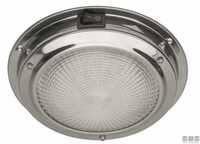 Classic 140 mm LED Ceiling Light – code: 2140052 – Motomarine
 Red/green deck light with LED – code: 11.507.11 – Osculati
 White body light 12V, 112.5° left red light <12 m, model Southern Cross – code: L3674530 – Trem
How to use this guide to choose lights and headlights without mistakes
If you need to find the most suitable spare part, always start from the installed component and not from a generic similarity. Compare function, shape, fastening, measurements, and connections; then check if the intervention also requires related accessories or spare parts. This method, used daily by workshops and industry operators, makes the choice faster and more reliable. To find the most suitable solution, explore the category dedicated to lights and headlights or browse the brands available in the store to compare options compatible with your application.
FAQ
How do I know if a headlight is compatible with my vehicle?
The safest method is to compare the already installed component with the product sheet, checking shape, fixing points, measurements, orientation, and type of connection. If a detail is unclear, check the product sheet.
Can I choose lights and headlights based only on the photo?
No, the photo can help with an initial identification, but it is not sufficient to confirm compatibility. It is always advisable to also check the description, measurements, mounting methods, and technical notes.
What are the most common mistakes when ordering lights and headlights?
The most common mistakes are choosing the spare part only for aesthetic similarity, not checking the side or mounting orientation, neglecting existing connections, and ignoring the indications reported in the product sheet.
When maintaining lights and headlights, is it advisable to check other components as well?
Yes, it is often useful to also check supports, fastenings, wiring, and parts connected to the main group. This way, you avoid replacing only one element when the problem depends on an accessory component.
When is it useful to also purchase related accessories or spare parts?
It is useful when installation requires adaptations, when fastenings are worn, or when the component to be replaced works together with other elements that could compromise the final result. Compatibility must always be verified in the product sheet.


