


What Veco is for
When talking about veco, the correct starting point is not the single item but the usage context. In a professional context, choosing between an entry-level, professional, or heavy-duty solution means first evaluating the type of work to be done, the frequency of use, and the level of reliability required over time.
A veco guide really useful must help distinguish three typical scenarios:
- occasional or light use, where ease of use and a basic configuration matter;
- continuous professional use, where operational continuity, compatibility, and ease of management become central;
- heavy or heavy-duty use, intended for more demanding contexts, where robustness and durability over time have a decisive weight.
Understanding what Veco is for, therefore, does not mean stopping at a generic definition, but reading the range based on the actual workload. A common mistake is to purchase an undersized solution thinking to save time in the choice: in practice, this often leads to premature replacements, unwanted stoppages, or suboptimal integrations with the rest of the system or equipment.
Al contrario, anche orientarsi subito verso una soluzione heavy duty senza una necessità concreta può complicare la selezione. La scelta corretta nasce sempre da un equilibrio tra applicazione, ambiente di lavoro e necessità di manutenzione. Se vuoi approfondire il metodo di selezione per componenti e sistemi affini, può essere utile consultare le guide tecniche disponibili e confrontare i criteri di scelta già utilizzati in altri contesti professionali.
From a store-driven perspective, the goal is not only to describe the category but to help you identify the level most suitable for your use. For this reason, it is useful to think in practical questions:
- is the use occasional or daily?
- is the environment clean, controlled, or more severe?
- is a standard solution needed or a more structured configuration?
- are spare parts and accessories expected to be integrated over time?
These questions allow clearly separating entry-level from professional and, above all, understanding when the transition to a heavy-duty solution is truly justified.
When to choose an entry-level solution
Entry-level solutions are generally suitable for those looking for essential functionality and non-intensive use. They are often considered by workshops, departments, or operators who need to cover simple needs without particular application complexities. In this range, it is important to carefully verify compatibility and not take interchangeability with already present components for granted.
When it makes sense to upgrade
Switching to a professional solution becomes advisable when usage is more frequent, downtime impacts operations, or greater continuity is required. The heavy duty level, on the other hand, is the most consistent choice when the context demands resistance, stability, and constant reliability. Se il tuo obiettivo è creare una dotazione più completa, può essere utile esplorare anche i componenti complementari per applicazioni professionali.
Compatibility, measurements, and technical checks to choose Veco
The technical verification phase is the one that most affects the quality of the order. A correct choice of veco always involves clear preliminary checks, especially when comparing different tier versions. The differences between entry level, professional, and heavy duty are not just about the perception of robustness: often the integration logic, compatible accessories, and recommended usage conditions also change.
Before proceeding, it is advisable to gather all available information about the component to be replaced or the new installation. If a detail is uncertain, the best rule is simple: check the product sheet.
Checks to perform before ordering
To reduce errors and returns, carefully check:
- application compatibility with the system or equipment on which it will be installed;
- dimensions and sizes, including any fixing or connection points;
- type of use, to understand whether a basic solution is sufficient or if a higher level is needed;
- presence of accessories or spare parts necessary for assembly or subsequent management;
- working conditions, such as frequency of use, environment, and operational stresses.
A good veco guide deve anche ricordare che la compatibilità non va mai dedotta solo da una somiglianza visiva. Due soluzioni apparentemente simili possono differire per dettagli decisivi. Per questo è utile confrontare le informazioni tecniche con la documentazione disponibile nello store e, se necessario, incrociare i dati con le sezioni dedicate a ricambi e accessori.
Entry level, professional, or heavy duty: how to read compatibility
When comparing tiers, compatibility should be interpreted practically. An entry-level solution can be appropriate if the work is simple and does not require high continuity. A professional solution is more suitable when the goal is to ensure smoother management over time. The heavy duty level, instead, makes sense when the component is exposed to more demanding conditions or harsher operating cycles.
Il criterio migliore è evitare sia il sottodimensionamento sia l’eccesso di specifica non necessario. In entrambi i casi, il risultato è una scelta meno efficiente. Se stai valutando una sostituzione, può essere utile confrontare anche le categorie correlate per manutenzione e completamento impianto, così da verificare subito eventuali elementi da abbinare.
Typical errors in ordering or installation
Many problems attributed to the product actually arise from incomplete selection or installation performed without all preliminary checks. In a store-oriented guide, this section is fundamental because it helps prevent the most common errors even before purchase.
Confusing light use and heavy use
The most common mistake is treating all applications as equivalent. A solution designed for light use may not be the right choice in continuous professional contexts. Similarly, always choosing the highest level without a real need can complicate system management and make the overall project less efficient.
To avoid this mistake, always describe your use case in concrete terms: frequency, environment, type of activity, and expected duration. This approach makes the veco guide truly operational and not just descriptive.
Ordering without checking measurements and connections
Another classic mistake is placing an order based solely on the category name or an old supply. Over time, configurations, compatible accessories, or mounting requirements may change. Before confirming the purchase, it is always advisable to double-check dimensions, interfaces, and installation details. If information is not immediately available, check the product sheet.
Neglecting the maintenance context
The veco maintenance should not be considered only after installation. A smart choice takes into account from the start the ease of inspection, availability of spare parts, and simplicity of replacing wear parts. This aspect is particularly important in professional and heavy-duty contexts, where operational downtime can have a significant impact on work organization.
Una buona pratica è verificare subito se esistono componenti complementari utili per mantenere il sistema efficiente nel tempo. In questo senso, può essere utile consultare le pagine di approfondimento sulla manutenzione tecnica per impostare una scelta più completa.
Underestimating the initial installation
Assembly also greatly affects the final result. Installing a correct component roughly can generate the same problems as a wrong choice. For this reason, it is important to check:
- consistency between the chosen component and the actual application;
- presence of all elements necessary for assembly;
- condition of connected parts;
- any need to replace worn accessories along with the main component.
During installation, an orderly approach reduces the risk of repeated interventions and improves operational continuity, especially in more demanding applications.
Useful products, spare parts, and accessories
When evaluating a solution veco, it is not advisable to limit yourself to the main item only. In many cases, the difference between a sufficient choice and a truly effective choice lies in the ability to consider from the start spare parts, accessories, and complementary components. This applies to all ranges but becomes even more important when moving from entry-level to professional and heavy-duty.
A well-constructed selection should include at least three levels of attention:
- elements necessary for assembly, to avoid blocks during installation;
- wear parts, to keep in mind for operational continuity;
- complementary accessories, , useful for improving integration and management.
This approach is particularly useful for those who purchase for workshops, maintenance technicians, technical departments, or activities that need to reduce downtime and fragmented orders. Incorporating the logic of veco maintenance already in the selection phase indeed allows building a more coherent and easier-to-manage equipment over time.
It should also be remembered that not all accessories are automatically compatible with every configuration. The presence of variants, dimensional differences, or mounting specifications makes precise checking essential. When you have doubts about combinations or spare parts, the most correct formula always remains the same: check the product sheet.
From an operational point of view, it can be useful to think like this:
- if the use is occasional, a basic configuration with only the essential elements may suffice;
- if the use is professional, it is advisable to also consider spare parts and support accessories;
- if the use is heavy duty, it is recommended to plan from the start a logic of continuity and maintenance.
This method makes the choice more solid and reduces the risk of returning to the store to retrieve missing components after the first order.
Recommended products
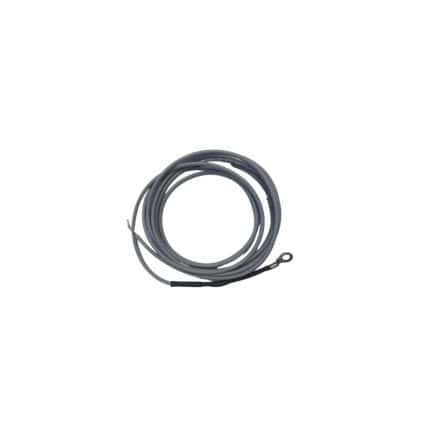 NTC probe for fancoil 3mt with eyelet - code: M72090 - Climma
 Display Vega MK2 AVE - control panels - code: MDISAV - Climma
 Mechanical fancoil panel AVE hot/cold - code: M60980A - Climma

 Remote room temperature sensor for MKII/MK3 - 3m - Code: MSENS - Climma
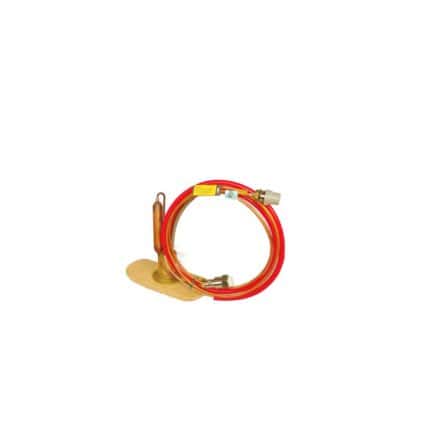 Threaded Frigomatic outrigger - without zincs - Code: E50361 - Frigoboat
How to set up more efficient Veco maintenance
Talking about veco maintenance means addressing a concrete issue: keeping the system reliable over time without turning every intervention into a complex management task. Effective maintenance starts with a correct selection but continues with periodic checks, verification of the condition of connected parts, and timely replacement of worn elements.
Well-set maintenance offers obvious advantages:
- reduces the risk of unexpected stops;
- helps to schedule interventions more orderly;
- simplifies spare parts management;
- improves continuity in professional applications.
In the comparison between entry level, professional, and heavy duty, maintenance mainly changes in intensity and approach. In light use, checks can be simpler and less frequent. In professional settings, it is advisable to adopt a preventive logic. In heavy duty contexts, maintenance is useful to consider as an integral part of the operational cycle.
A practical tip is to build a small internal checklist that includes compatibility, condition of connections, visible wear, and availability of main spare parts. Even without going into unconfirmed details, this method helps avoid forgetfulness and keeps component management more orderly.
If you are looking for a solution suitable for your context, the best way to orient yourself is to start from the Veco range and compare the available options based on actual use. Explore the brand or related category to identify the most suitable configuration and complete the purchase with consistent spare parts and accessories.
FAQ
How to understand whether to choose a Veco entry-level or professional solution?
The choice mainly depends on the context of use. For occasional or light use, an entry-level solution may be sufficient. However, if the use is frequent, continuous, or part of a professional activity, it is advisable to consider a higher range. Always consider the work environment, required continuity, and ease of maintenance.
When does it make sense to choose a Veco heavy duty solution?
A heavy-duty solution is recommended when the component operates under more demanding conditions, with intensive use or in contexts where reliability and durability over time are priorities. Before purchasing, it is useful to check compatibility, installation methods, and compatible accessories.
What checks to make before ordering a Veco product?
It is advisable to check compatibility with the application, measurements, dimensions, connections, necessary accessories, and conditions of use. If a detail is unclear or uncertain, check the product sheet.
Should the old maintenance be considered already at the selection stage?
Yes. Considering maintenance from the start helps to choose a solution better suited to the actual work and to better organize spare parts and accessories. This is particularly useful in professional or heavy-duty contexts, where operational continuity is important.
Is it correct to choose Veco only by comparing the appearance of the component to be replaced?
No. Visual similarity does not guarantee compatibility. Even components that appear similar can differ in measurements, connections, or configuration. For this reason, it is always better to rely on technical data and check the product sheet.


