


When open boat accessories are really needed
Talking about open boat accessories usefully means starting from a simple point: not everything that can be added on board is really necessary, and not everything that seems compatible actually is in practice. In nautical technical guides, the most common mistake is treating every open boat as if it had the same deck configuration, the same dimensions, and the same actual use.
An open boat used for daily outings, coastal fishing, or quick transfers has very different needs. Available spaces, attachment points, exposure to splashes, ease of access to technical compartments, and even the way the crew moves on board all change. For this reason, accessories should not be chosen solely based on aesthetics or the popularity of a solution seen on other boats.
Accessories become truly useful when they solve one of these concrete problems:
- improving organization without creating obstacles in passageways;
- simplifying daily use during mooring, navigation, or stops;
- protecting surfaces and components subject to wear or moisture;
- making the deck tidier avoiding cables, mobile equipment, or makeshift fastenings;
- integrating with the existing structure without forcing unsuitable installations.
Se stai valutando un aggiornamento della tua open, può essere utile confrontare anche altre guide tecniche nautiche dedicate alla gestione della coperta e alla scelta dei componenti di bordo. Un approccio tecnico riduce gli acquisti sbagliati e aiuta a capire quando un accessorio è davvero funzionale e quando, invece, aggiunge solo complessità.
The correct criterion is not to ask “do I need this accessory?”, but rather: at which point of the boat will it be installed, how often will it be used, and with which other elements will it have to coexist? From here comes the real difference between an orderly setup and a collection of components mounted without logic.
Open boat accessories compatibility: differences between solutions, sizes, and installation
The theme of open boat accessories compatibility is central, especially in searches with a comparative intent. Many users compare similar solutions thinking that an approximate measurement or a photo of the cockpit is enough to decide. In reality, compatibility must be understood on multiple levels.
Compatibility with the deck geometry
An open boat rarely offers perfectly flat and free surfaces. There are narrow walkways, shaped seats, lockers with partial openings, consoles with variable inclinations, and areas where installation interferes with hinges, handrails, or technical openings.
Before choosing, it is advisable to verify:
- actual space occupied in use and at rest;
- distance from doors, lockers, and seats;
- presence of curves, edges, or uneven surfaces;
- space needed for installation, removal, or maintenance.
If this data is unclear, check the product sheet compare the technical drawing with the actual measurements of the installation area.
Compatibility with materials and supports
Another common mistake concerns the mounting support. Not all surfaces react the same way to drilling, concentrated pressures, or tensioned installations. Fiberglass, technical panels, lightweight structures, and metal profiles require different assessments. Underestimating this aspect often leads to vibrations, loosening, or premature wear of the anchoring point.
In the best cases nautical technical guides a principle is emphasized: the accessory should never be considered separately from the support that hosts it. If the manufacturer indicates mounting limits or recommended surfaces, it is important to follow those guidelines. In case of doubt, check the product sheet.
Compatibility with the actual use of the boat
Two formally compatible accessories can behave very differently depending on the use of the boat. Those who use the open boat for short outings might prefer sleek and easily accessible solutions; those who often keep equipment on board may need more order, protection, and modularity.
The correct choice depends on practical questions:
- is the accessory always mounted or frequently removed?
- does it hinder movements during maneuvers?
- does it require constant attention to be used well?
- does it interfere with cushions, covers, or openings?
- is it exposed to splashes, sun, and foot traffic?
A good comparison between solutions is not based only on “fits or doesn’t fit,” but on how it integrates into the onboard routine.
Per approfondire i criteri di scelta tra componenti con funzioni simili, può essere utile consultare anche una guida comparativa per accessori nautici o una raccolta di consigli tecnici per l’allestimento della barca.
Mistakes to avoid when choosing or installing open boat accessories
Most problems do not arise from the product itself, but from an incomplete evaluation before purchase or from a rushed installation. Here are the most common mistakes when choosing open boat accessories.
Buying based only on shape or photo
An accessory seen online or on another boat may seem perfect, but perspective can be deceiving. Photos rarely show maneuvering space, locker openings, passage positions, or actual usable height. Relying solely on visual impact often leads to practical incompatibilities.
The rule is simple: first measure the area, then compare the technical sheet. If dimensional details or installation instructions are missing, check the product sheet or request a technical consultation.
Ignoring interference with other onboard elements
One of the most underestimated mistakes concerns interference. An accessory may be installable but compromise the use of something already there: a seat that does not open fully, a less accessible locker, a narrower passage, or less smooth movement during mooring.
Before installation, it is useful to simulate the bulk with a template or measurements marked on the deck plan. This seemingly trivial step avoids many subsequent corrections.
Choosing fastenings inconsistent with the context
Proper installation does not just mean “keeping an accessory in place.” It means installing it in a way consistent with vibrations, humidity, usage loads, and future maintenance. Improvised fastenings, points too close to edges, or unsuitable surfaces can cause problems over time.
Signs of a poor choice include:
- abnormal movements during use;
- noise or vibrations while sailing;
- difficulty in stable tightening;
- support deformation;
- need for continuous touch-ups or repositioning.
When the mounting system is not very clear, check the product sheet which supports are provided and if special installation conditions are required.
Neglecting accessibility and maintenance
An accessory installed in the right spot but difficult to clean, inspect, or remove can become inconvenient over time. On open boats, where spaces are exposed and use is often dynamic, ease of handling matters almost as much as the function itself.
A good accessory should:
- be reachable without awkward postures;
- not block access to nearby technical components;
- not easily retain dirt or moisture in critical areas;
- allow periodic checks without complex disassembly.
This aspect is often overlooked in quick comparisons, but it makes the difference between a convenient solution and one that is used less and less.
Products and categories to consider for a well-organized open boat
When analyzing the open boat accessories with a technical approach, it is better to think in terms of functional categories rather than isolated purchases. The goal is not to fill the boat with components, but to build a setup consistent with the spaces and the type of navigation.
Accessories for order, protection, and practicality
In an open boat, order is fundamental. Anything that remains mobile or poorly positioned tends to create obstruction, wear, or loss of time in the simplest operations. For this reason, categories dedicated to:
- deck space organization;
- protection of surfaces and points subject to frequent contact;
- supports and fastening systems for everyday use items;
- components designed to improve accessibility and management on board are often relevant.
The point is not to choose “more accessories,” but to identify those that reduce clutter and improve livability without burdening the boat with superfluous elements.
Components to compare based on layout
An open boat with a large sunbathing area, one with a freer cockpit, or one with a compact console do not require the same approach. The categories to evaluate change depending on the layout. In some cases, freedom of movement matters more; in others, the possibility of having well-distributed support, protection, or containment points.
To make a sensible choice, it is advisable to observe the layout as a single system:
- where the crew passage is concentrated;
- which areas must remain completely free;
- where an accessory can be useful without creating obstacles;
- which existing elements may limit installation.
This method helps to compare different categories with a practical logic, much more effective than a simple visual comparison.
How to properly read a technical sheet before choosing
In a competitor-driven context, many contents are limited to listing generic advantages. A truly useful approach, instead, consists of carefully reading the technical sheet. Before deciding, always check:
- declared measurements and actual dimensions;
- type of mounting provided;
- compatible materials or recommended surfaces;
- any notes on installation, use, or positioning;
- presence of included accessories or those to be evaluated separately.
If a datasheet does not clarify an important detail, the most correct formula remains: check the product sheet. It is an essential step to avoid purchases based on assumptions.
Per orientarti meglio tra le categorie disponibili, puoi consultare anche una selezione di accessori nautici per la coperta oppure approfondire i criteri di scelta in una guida tecnica sugli allestimenti di bordo.
Recommended products

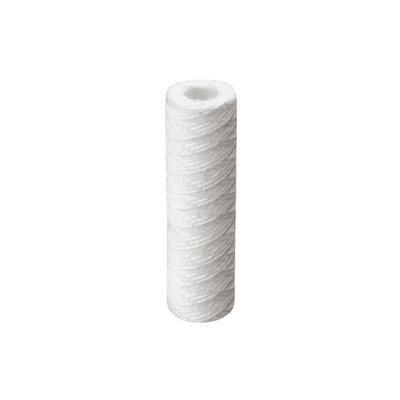
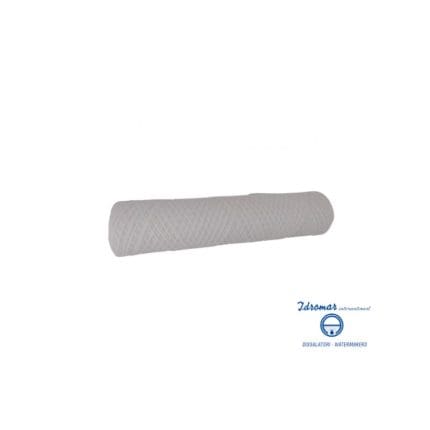 10" Wound Wire Cartridge 20 micron – code: 10MP20 – Idromar
 Stainless steel clamps Norma 12–22 mm – code: FAI0012022 – Toscogomma
 Brush with spring - code: SGM45 - Gianneschi Pumps and Blowers


How to avoid recurring problems after installation
Even when the initial choice is correct, some problems only emerge after the first outings. This does not necessarily mean that the accessory is wrong, but often that it has not been sufficiently evaluated in its real context.
The most common recurring problems are:
- perceived bulk larger than expected, especially in narrow passages;
- uncomfortable use in the presence of cushions, covers, or equipment already on board;
- difficulty of access to compartments, hatches, or maintenance points;
- unstable fastening on non-ideal surfaces;
- poor aesthetic and functional integration with the existing layout.
To avoid them, it is useful to follow a simple sequence:
- analyze the exact installation point;
- measure the useful space, not just the visible one;
- check openings, passages, and crew movements;
- compare the fastening system with the actual support;
- carefully read all the notes available in the technical datasheet.
This approach concretely reduces typical errors and makes the evaluation of the open boat accessories compatibility.
Choose wisely among open boat accessories and related categories more reliable
If you are looking for a solution truly suited to your boat, the best method is to start from the boat layout and compare only categories consistent with your actual use. Explore the sections dedicated to nautical accessories and deck components, or delve into the available brands to find a more integrated, practical, and easy-to-manage solution over time.
FAQ
How to understand if an accessory is compatible with an open boat?
Compatibility must be checked on multiple levels: actual measurements of the mounting area, space occupied in use, type of support, interference with lockers or seats, and the way the boat is used. If a detail is unclear, check the product sheet.
What is the most common mistake when choosing open boat accessories?
The most common mistake is choosing based on the photo or the overall appearance without checking dimensions, mounting, and interference with other edge elements. A seemingly suitable solution can turn out to be uncomfortable or not very functional once installed.
Why does assembly have such an impact on the performance of a nautical accessory?
Because even the correct accessory can cause problems if installed on an unsuitable surface, in a hard-to-reach spot, or with fastenings that are not consistent with the support. The installation must be evaluated together with the deck layout and the actual use of the boat.
Is it better to choose universal accessories for an open boat?
Not always. Universal solutions can be useful, but they must be carefully checked against geometries, available spaces, and the fastening system. The generic wording does not automatically guarantee good integration on your boat.
How to avoid wrong purchases among similar accessories?
The best way is to compare function, size, installation method, and usage context, not just the appearance. Carefully reading the technical sheet and checking the measurements at the actual mounting point helps avoid common mistakes.


