When you really need a boating store
Those who sail continuously know it: relying on a boating store does not just mean buying an accessory, but choosing components, materials, and spare parts with a level of technical consistency that affects installation, durability, and usability on board. The difference compared to a generic purchase becomes clear especially when you need to evaluate measurements, fittings, system compatibility and real usage conditions.
A nautical context brings together variables that often take a back seat outside the boat: continuous exposure to humidity and salt, limited space, vibrations, complex cable routing, the need for integration with existing systems. For this reason, nautical technical guides they are useful not only for those who need to replace a component, but also for those who want to avoid purchases unsuitable for their boat.
In practice, a specialized store becomes truly necessary when you need to:
- check if a component is suitable for the marine environment;
- verify dimensions, threads, centers or diameters;
- understand if an accessory can interface with an already installed system;
- choose materials consistent with the mounting point;
- avoid improvised adaptations that complicate maintenance and future replacements.
Se stai confrontando più soluzioni, può essere utile partire da una panoramica di guide tecniche nautiche per inquadrare meglio differenze e criteri di scelta. Allo stesso modo, chi deve orientarsi tra componenti per impianti e accessori può approfondire tramite approfondimenti tecnici per la nautica e contenuti collegati.
Many online searches start from a simple need, such as replacing a worn element or adding equipment on board. The critical point, however, is almost always the same: it is not enough to find a “similar” solution, you need to understand if it is compatible with the real context. This is why the topic boating store compatibility is central in technical evaluations: a seemingly correct component can prove impractical or unsuitable if it does not match the required measurements, connections, and materials.
Differences between solutions, measurements or compatibility in the boating store
The comparison between nautical articles should never stop at the external appearance or the declared function. Two solutions that seem equivalent can differ in decisive details: type of fastening, bulk, orientation of connections, material, mounting method, interface with other elements already on board.
Measurements: the first real technical filter
When talking about measurements, the overall size is not the only thing that matters. In the nautical field, it is often necessary to carefully check:
- internal and external diameters of pipes or fittings;
- center distances of fastening points;
- recess depth or available space behind panels and bulkheads;
- useful height for openings, maneuvers or passages;
- cable length or actual installation margin.
A common mistake is to measure only the visible part of the component to be replaced. In reality, for a correct choice, you must also consider what is not visible: rear bulk, curvature of connections, area needed for maintenance or disassembly. If the data is not clear, check the product sheet and compare it with the available space on board.
Compatibility: it is not enough that it “fits”
In technical terminology, compatibility does not coincide with simple possibility of fastening. An article can fit into the intended space but still be unsuitable because it does not interact well with the rest of the system or requires undesirable adaptations. The issue boating store compatibility therefore concerns several levels:
- compatibility mechanics, that is attachments, threads, seats and supports;
- compatibility functional, therefore correct use in the intended point;
- compatibility environmental, related to humidity, splashes, exposure and materials;
- compatibility plant engineering, when the component interacts with other installed elements.
This approach helps avoid the classic “almost right” purchase, which then forces the use of reducers, extensions, spacers or non-optimal modifications. In a technical blog, the most useful comparisons are precisely those that explain why two similar solutions are not always interchangeable.
Materials and finishes: less visible but decisive differences
Another often underestimated aspect concerns the material. In nautical, the choice of material is not only aesthetic: it affects resistance to the marine environment, ease of cleaning, durability over time and consistency with the installation point. Depending on the use, it may be important to evaluate:
- corrosion resistance;
- stability in the presence of humidity and salt spray;
- suitability for contact with other materials already present;
- ease of routine maintenance.
Per orientarti meglio, puoi consultare anche guide alla scelta dei componenti nautici e contenuti di supporto che aiutano a leggere correttamente schede e descrizioni tecniche.
Mistakes to avoid in choice or assembly
Many problems arise even before installation, that is, during the selection phase. A rushed purchase can cause wasted time, returns, unnecessary adaptations, and less orderly management of the boat. Here are the most common mistakes to avoid.
Confusing visual similarity with technical equivalence
Two components may have a similar shape but differ in dimensions, attachment, or intended use. In a boating store reading the technical data sheet is often more important than the photo. If a detail is not explicitly stated, check the product sheet or compare the available information before proceeding.
Measuring incompletely
Taking only one measurement is rarely enough. For a correct replacement, it is advisable to record as much data as possible, also noting orientation, connection positions, and maneuvering space. A thorough check reduces the risk of incompatibility and makes it easier to objectively compare multiple solutions.
Ignoring the mounting context
A suitable component in a protected compartment may not be the best choice in an area exposed to splashes, sun, or frequent stresses. The installation point matters as much as the product itself. For this reason, the nautical technical guides most useful do not just describe the object but explain where and how it makes sense to use it.
Relying on improvised adaptations
Reducers, extensions, or handcrafted modifications may seem like a shortcut but often complicate maintenance and future replacements. When possible, it is preferable to choose a solution already consistent with the existing system, limiting intermediate elements to the bare minimum.
Neglecting future maintenance
A correct assembly must not only work today but also allow inspections, cleaning, and replacements without complex interventions. Before purchasing, always ask yourself:
- will it be easy to disassemble in the future?
- will it remain accessible once installed?
- does it require additional space for inspection or adjustment?
- does it integrate neatly with the existing system?
Chi vuole approfondire questi aspetti può consultare anche contenuti tecnici su montaggio e compatibilità, utili per impostare una scelta più consapevole.
Products and categories to consider
When browsing a specialized catalog, the risk is to focus immediately on the single item without evaluating the category it belongs to. In reality, to choose well it is better to start from a broader logic: required function, position on board, interaction with other components, frequency of use, and ease of maintenance.
In a boating store well-organized
- categories help precisely to filter the real need. Some users look for an identical replacement, others for an equivalent solution but more suitable for their system. In both cases, it is useful to think in terms of product families, always checking:;
- actual intended use;
- installation methods;
- dimensions compatible with the existing ones;
- materials more consistent with the onboard environment;.
possible integration with accessories or connected components.
How to read a category technically
- A category should not be read as a simple list. It is a comparison tool. If you are selecting a solution, try to order the options according to these criteria:, first compatibility;
- , then shape or finish;, first the mounting point;
- , then aesthetic preference;, first consistency with the system.
, then quick replacement.
This method is particularly useful when the catalog includes very close variants. In those cases, the correct comparison is not “which looks better,” but “which requires fewer compromises once installed.”
When it makes sense to compare brands, lines, or series
- In daily onboard work, some users prefer to maintain continuity with components already present, while others look for a solution more suited to real usage conditions. Comparing brands or product lines can make sense especially if you want to:;
- maintain uniformity of mounting or finish;
- reduce the risk of incompatibility with existing elements;
- simplify future replacements;.
Se il tuo obiettivo è orientarti tra famiglie merceologiche e soluzioni tecniche, può essere utile esplorare anche categorie nautiche e guide correlate per confrontare in modo più strutturato opzioni e applicazioni.
A good approach is to create a small checklist before purchasing:
- what exactly do I need to replace or integrate?
- which measurements do I need to take?
- which material is best suited for the installation point?
- is compatibility with an existing system required?
- does the product sheet provide all the useful data?
This sequence, simple but concrete, helps turn a generic search into a more precise technical selection. And this is exactly where the nautical technical guides make the difference: they don’t push for a random choice, but help read the catalog with truly useful criteria.
Recommended products

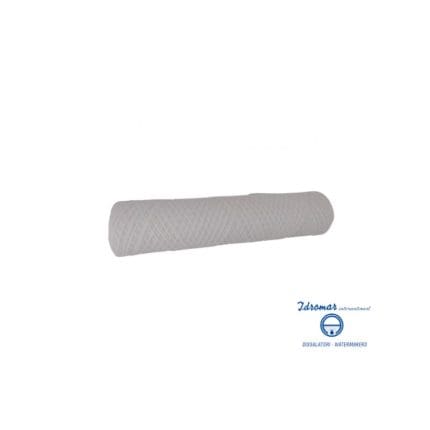 10" Wound Wire Cartridge 20 micron – code: 10MP20 – Idromar
 Stainless steel clamps Norma 12–22 mm – code: FAI0012022 – Toscogomma
 Brush with spring - code: SGM45 - Gianneschi Pumps and Blowers


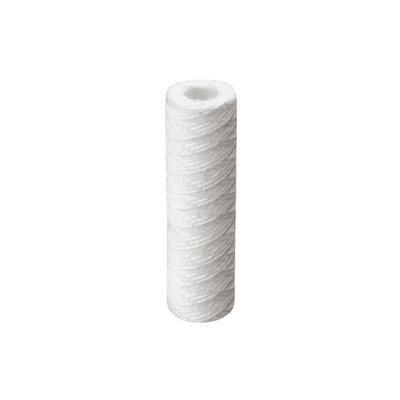
If you are looking for a solution suitable for your boat, explore the available categories and brands to compare materials, sizes, and compatibility more precisely: starting from a specialized selection helps you find the component most consistent with your system and real use on board.
FAQ
How to choose a component in a boating store without getting the wrong size?
It is advisable to take multiple measurements, not just the main one: diameters, center distances, mounting depths, usable space, and connection orientation. If a piece of data is missing, check the product sheet.
What does compatibility really mean in the nautical field?
Compatibility means mechanical, functional, and system coherence. A component must not only fit the available space but also properly integrate with attachments, materials, and usage conditions on board.
Why are nautical technical guides useful before purchasing?
Nautical technical guides help compare similar solutions, understand which measurements really matter, and identify common selection or installation errors. They are especially useful when you need to replace an existing component.
Is it enough to choose an article similar to the one already installed?
No. Visual similarity does not guarantee technical equivalence. You need to check measurements, attachments, materials, and compatibility with the existing system to avoid impractical adaptations.
How to read a nautical store category technically?
The best method is to start from the required function and mounting point, then filter by measurements, materials, and compatibility with the existing system. Only afterwards does it make sense to compare shape, finish, or personal preferences.