When marine accessories are really needed
In the world on board, choosing the marine accessories does not mean adding components randomly, but building a coherent set with the boat, the existing system, and the actual use made of it. This is where the nautical technical guides become useful: they help distinguish what is necessary from what risks creating incompatibilities, complex assemblies, or premature replacements.
Many problems arise from an initial evaluation that is too quick. An apparently suitable accessory may not integrate well with attachments, diameters, connections, materials, or available spaces. Before choosing, it is therefore advisable to start with three practical questions:
- Where will the and with what actual bulk.
- With which system or component it will have to work.
- What function must it perform while sailing, in port, or during maintenance.
At this stage, it is useful to compare the component to be replaced with the one already on board. If the accessory has to be integrated into an existing system, it is not enough that it “resembles” the old one: installation and usage parameters must match. When a detail is unclear, the best choice is always the same: check the product sheet.
Un approccio tecnico riduce gli errori più comuni e rende più semplice anche la manutenzione futura. Per approfondire il metodo di selezione dei componenti di bordo, puoi consultare le nostre guide tecniche nautiche, utili per orientarsi tra collegamenti, materiali e configurazioni.
Marine accessories compatibility: what to check before purchase
The theme of marine accessories compatibility is often underestimated. In reality, it is the point that determines whether an accessory will really work well or not. Compatibility does not only concern shape or external size, but a set of elements that must interact without forcing.
Measurements and connections
The first check concerns the actual dimensions. Diameters, threads, center distances, mounting depths, and type of connection must be carefully checked. Even a minimal difference can make an unplanned adaptation necessary, complicating installation.
Before proceeding, it is useful to compare:
- measurements of the compartment or fixing point;
- type of attachment present;
- orientation of connections;
- space available for installation and maintenance.
If the manufacturer indicates variants or alternative configurations, it is advisable to read them carefully. In case of doubt, check the product sheet.
Materials and operating environment
Another decisive aspect is the relationship between materials and the marine environment. Humidity, salt, vibrations, and usage cycles stress every component. For this reason, it is important to evaluate whether the accessory is consistent with the materials already on board and with the installation area.
Not all materials react the same way when they come into contact. In a well-made technical choice, it is necessary to consider:
- resistance to the marine environment;
- compatibility with existing supports and fittings;
- possible wear due to rubbing or tightening;
- ease of maintenance over time.
Chi cerca componenti per impianti o collegamenti può trovare spunti utili anche in questa panoramica sugli accessori per impianti di bordo, da leggere sempre in funzione della configurazione reale dell’imbarcazione.
Functional compatibility, not just mechanical
An accessory can be mechanically compatible but not functionally. It means it fits, but does not work correctly within the system. This often happens when replacing a component without checking how it interacts with other system elements. functional. For example, one must ask if the accessory:.
is designed for the same type of use as the existing component;
- integrates with the rest of the system without improper adaptations;
- allows easy maintenance and access once installed;
- requires additional elements for proper installation.;
- they focus precisely on this point: true compatibility is always the result of a complete verification, not just a simple visual similarity.
The best nautical technical guides When comparing multiple solutions, the most common mistake is to stop at the external appearance or the brief description. In the nautical field, two accessories may seem equivalent but differ in details that completely change the final result.
Differences between solutions, measurements or compatibility
Same function, different installations.
Accessories designed for the same function may require very different installation methods. This affects assembly times, accessibility, need for adapters, and ease of future replacement. For this reason, it is advisable to evaluate not only “what a component is for,” but
how it fits into the onboard context A useful comparison should include:.
need for modifications to existing supports;
- type of fastening required;
- compatibility with already present pipes, cables, or fittings;
- Among the most important information are the operational measurements, not just the general ones. Often the difference is made by a few details: the position of a connection, the useful depth, the space needed to properly tighten or connect the component.;
- ease of inspection after installation.
The measurements to really check
To avoid mistakes, it is advisable to take measurements directly onboard and note:.
Per evitare errori, è consigliabile prendere misure direttamente a bordo e annotare:
- width, height and depth of the compartment;
- distance from other nearby components;
- direction of the connections;
- space needed for disassembly and maintenance.
Chi deve sostituire un elemento esistente può trovare utile anche la guida al controllo delle misure di installazione, soprattutto quando l’accessorio deve inserirsi in un impianto già configurato.
Direct compatibility or with adaptation
Adaptation is not always the best choice. In some cases it may be unavoidable, but in others it introduces complexity, weak points or future maintenance difficulties. If there is a solution with direct compatibility, it is often preferable to one that requires additional modifications.
Before choosing, consider if the adaptation:
- is simple and clean;
- maintains accessibility and order of the system;
- does not create mechanical stresses or forced paths;
- does not complicate any subsequent replacements.
When this information is not clearly stated, the correct reference is always one: check the product sheet.
Mistakes to avoid in choice or assembly
A good technical selection reduces problems, but it is equally important to know what the most common mistakes are. In the field of marine accessories, many inconveniences arise from rushed decisions or incomplete checks.
Choosing based on appearance alone
The visual aspect helps to orient oneself, but it is never enough to confirm compatibility. Two similar components can have different fittings, dimensions or configurations. The practical rule is simple: never decide based on the photo alone.
Ignoring the workspace
An accessory may fit into the intended compartment but leave too little space for connections, tightening or maintenance. This problem often emerges only at the time of assembly, when correction becomes more complex. Before purchase, it is therefore necessary to also consider the maneuvering space.
Not checking the entire system
A new component inserted into an old or specially configured system may require additional checks. Thinking about the single accessory without analyzing the rest of the system is one of the most frequent mistakes. The nautical technical guides the most useful are those that teach how to read the system as a whole.
Forcing assembly with improvised solutions
When an accessory does not fit perfectly, the temptation to “make it fit anyway” is strong. However, forcing, improvised adaptations, or inconsistent connections can compromise reliability, order, and ease of maintenance. If a component requires too many compromises, it is probably not the right choice.
Per chi vuole ridurre gli errori in fase di selezione, può essere utile consultare i consigli pratici per il montaggio corretto degli accessori di bordo, sempre confrontando ogni indicazione con il caso specifico.
Products and categories to consider
When analyzing the marine accessories with a technical approach, it is useful to think in terms of functional categories. This allows a better understanding of which elements really affect compatibility and what checks to perform before making a choice.
Accessories for systems and connections
This area includes all components that must integrate with lines, fittings, connections, or supports already present. Here compatibility is particularly important, because even a small misalignment can create installation or maintenance difficulties.
In this category it is advisable to carefully check:
- type of connection;
- material consistency;
- actual dimensions once installed;
- accessibility for future interventions.
Accessories for fastening and support
Often considered secondary, but in reality they greatly affect the stability of the assembly and the durability of the whole. An unsuitable support or a fastening inconsistent with the installation surface can compromise even a functionally correct accessory.
Before choosing, always evaluate:
- type of surface on which the component will be fixed;
- available space for installation;
- ease of disassembly in case of maintenance;
- compatibility with the rest of the installation.
Complementary accessories not to be overlooked
A common mistake is to purchase the main component without checking if complementary elements are needed to complete the installation. In many cases, the success of the assembly depends precisely on these details. Before finalizing the choice, check if additional accessories are necessary and check the product sheet.
Per orientarti tra le diverse famiglie di componenti, puoi vedere anche la selezione di accessori nautici per applicazioni tecniche, utile per confrontare le soluzioni in base all’uso previsto e non solo alla forma.
An effective criterion is this: start from the function, move on to compatibility, finish with installation control. It is a simple method, but it helps avoid purchases that are inconsistent with the onboard context.
Recommended products

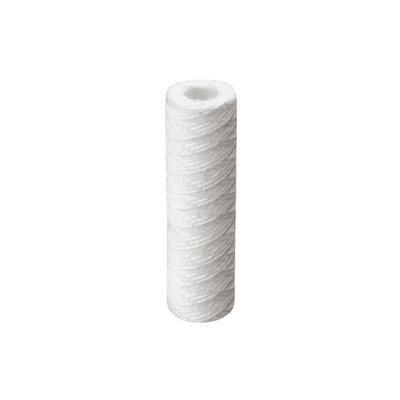
 10" Wound Wire Cartridge 20 micron – code: 10MP20 – Idromar
 Brush with spring - code: SGM45 - Gianneschi Pumps and Blowers
 Stainless steel clamps Norma 12–22 mm – code: FAI0012022 – Toscogomma


Choosing well with a technical and comparative method
Those looking for marine accessories compatibility usually does not just want to find a component, but to avoid mistakes that slow down assembly or create problems after installation. For this reason, a comparative approach is often the most effective: comparing measurements, connections, materials, and integration methods allows identifying the most suitable solution without proceeding by trial and error.
The key point is not to oversimplify. In the nautical field, the correct choice comes from the intersection of real function, boat configuration, and mounting details. The best nautical technical guides are precisely for this: to help read the differences that really matter.
If you are considering a replacement or a new setup, explore the category dedicated to nautical accessories and the available brands: comparing solutions methodically will help you find components more consistent with your system and choose with greater confidence.
FAQ
How to check the compatibility of nautical accessories before purchase?
It is advisable to check dimensions, fittings, clearances, materials, and installation methods. It is not enough for the component to look similar to the one already present: it must integrate correctly with the existing system. If a detail is unclear, check the product sheet.
Why can two nautical accessories with the same function not be equivalent?
Because connections, mounting depths, attachment orientations, materials, or adaptation needs can change. The function may be similar, but the technical compatibility with the boat can be different.
What is the most common mistake when choosing nautical accessories?
One of the most common mistakes is choosing based solely on the image or a too brief description. In the nautical field, it is essential to also compare real measurements, available space, and integration with the rest of the system.
When is a nautical technical guide needed to choose an accessory?
A technical guide is especially useful when you need to replace an existing component, integrate an accessory into an already installed system, or compare multiple seemingly similar solutions. It helps to identify the checks to perform before purchase.
Is it better to have a directly compatible accessory or a solution with adaptation?
In general, a solution with direct compatibility is preferable because it simplifies assembly, maintenance, and future replacements. An adaptation may be possible, but it must be carefully evaluated to avoid forced or untidy installations.