


When marine equipment is really needed
Talking about marine equipment usefully means going beyond the idea of a simple accessory. In the nautical field, every component installed on board interacts with limited spaces, different materials, continuous exposure to humidity and salt, vibrations, and often irregular usage cycles. It is precisely in this context that many recurring problems arise: a component is chosen thinking it is enough to “fit it in,” or only the main function is considered without taking into account integration, installation, and maintenance.
The nautical technical guides they are especially useful when it is necessary to replace an existing element, update a system, or solve a malfunction that recurs over time. In these cases, it is not enough to know “what a component is for”: you need to understand how it works on board, which materials it comes into contact with, and whether the actual configuration of the boat is consistent with the chosen solution.
A common mistake is to intervene only when an obvious failure appears. In reality, many critical issues manifest earlier with weak signals: forced installations, unstable connections, underestimated bulk, difficulty accessing for maintenance, or incompatibility between parts that, on paper, seem equivalent. In these cases, a careful reading of the specifications and comparison with the existing configuration allow avoiding repeated replacements and unnecessary downtime.
Chi gestisce manutenzione, refit o installazioni dovrebbe valutare le attrezzature non come elementi isolati, ma come parte di un sistema. Per approfondire i criteri di scelta e il rapporto tra componenti e impianti, può essere utile consultare guide e approfondimenti tecnici e confrontare le diverse famiglie di soluzioni presenti a catalogo.
Marine equipment: differences between solutions, sizes, and compatibility
The theme of marine equipment compatibility is one of the most underestimated. Many problems do not depend on the quality of the single component but on the fact that the component is not really compatible with the context in which it is installed. Compatibility, in the nautical field, does not only concern mechanical connection: it also involves materials, orientation, available space, fixing methods, accessibility, and interaction with other elements already present.
Mechanical and geometric compatibility
The first check always concerns sizes, attachments, and bulk. A component may seem correct for its function but be unsuitable once positioned on board. This often happens when:
- the useful space is less than estimated;
- the orientation of the connections does not match the actual system path;
- the existing attachments are not compatible with those of the new element;
- the replacement requires unforeseen adaptations.
Before choosing, it is advisable to measure not only the nominal size but also the mounting dimensions, the space for tightening, the distance from bulkheads or supports, and the possible need to disassemble nearby parts to perform maintenance. If information is unclear, check the product sheet.
Material compatibility
In a marine environment, different materials can react suboptimally if put in contact or exposed to the same agents. For this reason, the choice should not be based solely on immediate availability. It is important to verify:
- component material;
- materials of the parts to which it will be connected;
- environmental conditions at the installation point;
- presence of moisture, splashes, condensation, or residues.
A suitable solution in one system may not be so in another, even if the required function is similar. This is especially true in quick replacements, when there is a tendency to look for a “similar” spare part without checking the actual context.
Functional compatibility with the existing system
Another critical aspect is consistency with the rest of the system. The marine equipment must be evaluated in relation to the type of use, frequency of operation, positioning, and overall system logic. A theoretically correct component can cause practical problems if:
- it makes access for periodic checks more complex;
- it forces non-linear paths;
- it introduces stress points on pipes, cables, or supports;
- it does not integrate with the elements already on board.
For this reason, the best nautical technical guides focus on one point: compatibility should not be read as a simple match between two measurements, but as real integration between component, system, and installation environment.
Mistakes to avoid in choosing or mounting
Most recurring problems arise from decisions made too quickly. Even experienced people can underestimate seemingly minor details, which then become the cause of premature replacements, vibrations, leaks, abnormal wear, or operational difficulties.
Choosing based solely on visual similarity
One of the most common mistakes is to consider a component equivalent just because it “looks like” the one to be replaced. In boating, minimal differences in attachment, orientation, or size can completely change the final result. Before purchase, it is useful to compare:
- actual dimensions;
- type of connection;
- materials;
- mounting configuration;
- expected operating conditions.
If the doubt concerns a variant or a measurement, check the product sheet and compare the data with the component already installed.
Ignoring workspace for installation and maintenance
A mounting may be theoretically possible but impractical. When space is limited, there is a risk of forcing connections, tightening poorly, or making subsequent checks impossible. This leads to two consequences: the component operates under non-optimal conditions and every future intervention becomes longer and more invasive.
Before proceeding, it is advisable to ask:
- is there enough space to install the component without deformation or stress?
- will it be possible to access the connection point for subsequent checks?
- does the path of pipes, cables, or fittings remain linear?
- does the element remain inspectable once the compartment is closed?
Neglecting the real onboard environment
The conditions onboard are never neutral. Vibrations, humidity, temperature variations, salt spray, and intermittent usage cycles test even seemingly correct installations. A typical mistake is installing a component without considering where it is located: technical compartment, exposed area, splash zone, or poorly ventilated spot.
In these cases, durability and reliability depend greatly on the correct assessment of the context. It is not enough for the component to perform the required function: it must do so consistently with the environment in which it is installed.
Forcing unnecessary adaptations
When a solution does not perfectly match the existing system, the temptation is to adapt it. But improvised adaptations are among the main causes of recurring problems. A forced connection, an unnatural position, or a fixing not designed for that context can generate mechanical stress and more frequent maintenance.
La regola pratica è semplice: se per montare un componente servono troppe correzioni, probabilmente non è la soluzione più adatta. In questi casi è preferibile rivedere la scelta e valutare alternative più coerenti. Per orientarsi tra le diverse opzioni disponibili, può essere utile consultare le schede tecniche dei componenti nautici e confrontare le varianti realmente compatibili.
Recurring problems with marine equipment and how to prevent them
Many malfunctions repeat because the initial cause is not correctly identified. The worn component is replaced, but the factor that caused the problem is not eliminated. Here are some typical scenarios.
Abnormal wear after a short time
When an element shows signs of early degradation, it does not necessarily mean the problem is the component itself. Often the cause is a incomplete compatibility mismatch with the onboard environment or with connected parts. Incompatible materials, tensioned installation, or improperly assessed exposure can accelerate wear.
To prevent it:
- always check the installation context;
- verify material compatibility;
- avoid forced installations;
- keep the point accessible for periodic checks.
Leaks, loosening, or instability
These problems are often related to connections not perfectly consistent with the existing system. Even when the installation seems successful, incorrect orientation or residual tension can compromise stability over time. In boating, where vibrations and movement are constant, small initial defects tend to amplify.
Prevention involves a more careful approach during selection: do not limit yourself to the function, but evaluate how the component fits into the real system path.
Difficulties in subsequent interventions
A less obvious but very common problem is an installation that works but complicates every future maintenance. When a component is installed in a hard-to-access position or with connections too close together, even a simple check may require avoidable disassembly. Over time, this increases the risk of errors and slows down every intervention.
The best nautical technical guides suggest to consider maintenance already during the selection phase: a well-integrated component is not only the one that fits into the available space, but the one that remains manageable over time.
Products and categories to consider without evaluation errors
When analyzing the marine equipment, it is useful to think in terms of functional families and not by single isolated item. This approach helps to avoid wrong comparisons between solutions that seem close but respond to different needs. The categories to consider always depend on the type of system, the configuration of the boat, and the installation point.
During selection it is advisable to focus on some transversal criteria:
- compatibility with attachments, materials, and available spaces;
- functional consistency with the existing system;
- ease of assembly without improper adaptations;
- accessibility for controls and maintenance;
- adaptability to the marine context of the installation point.
Questo metodo è particolarmente utile quando si confrontano più soluzioni simili. Invece di chiedersi quale sia “la migliore” in assoluto, è più corretto chiedersi quale sia la più adatta al proprio scenario reale. Per approfondire il confronto tra configurazioni e applicazioni, puoi consultare le guide dedicate agli impianti di bordo, oppure esplorare i contenuti tecnici per la manutenzione nautica utili per individuare criticità prima dell’acquisto.
Another important point is to avoid building the choice only on the component to be replaced. In many cases, the problem originates upstream: non-linear system path, non-ideal supports, limited access, or suboptimal material combination. For this reason, a correct evaluation of the available categories should always start from a practical question: does the new element really solve the problem or does it just replicate the configuration that generated it?
Recommended products

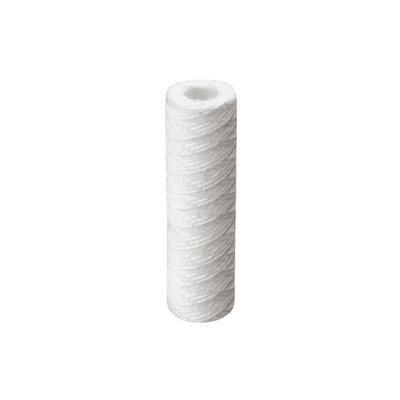
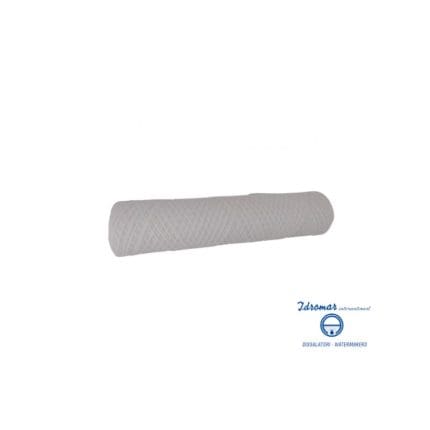 10" Wound Wire Cartridge 20 micron – code: 10MP20 – Idromar
 Stainless steel clamps Norma 12–22 mm – code: FAI0012022 – Toscogomma
 Brush with spring - code: SGM45 - Gianneschi Pumps and Blowers


How to use nautical technical guides to choose better
The nautical technical guides become really useful when they help translate specifications into operational decisions. They are not only useful to understand a description but to avoid interpretation errors. A good technical reading should always lead to verifying:
- actual measurements and overall dimensions;
- type of connection and orientation;
- materials and usage context;
- need for access for assembly and maintenance;
- consistency with the rest of the system.
Se stai confrontando più alternative, può essere utile raccogliere prima le informazioni del componente già installato e poi verificare ogni variante disponibile. In questo modo la scelta diventa più precisa e si riduce il rischio di incompatibilità. Per un supporto ulteriore, puoi consultare gli approfondimenti sulle compatibilità tecniche e usare le schede prodotto come riferimento operativo, soprattutto nei casi in cui il dettaglio costruttivo faccia la differenza.
If you are evaluating new marine equipment or a replacement on existing systems, explore the category and available brands to compare solutions consistent with your onboard context: starting from components designed for integration, maintenance, and compatibility helps reduce errors and repeated interventions.
FAQ
How to check the compatibility of nautical equipment before purchase?
It is advisable to check actual dimensions, connections, encumbrances, materials, orientation of connections, and available space for installation and maintenance. If a detail is not clear, check the product sheet.
What is the most common mistake in replacing a nautical component?
The most common is to choose an item just because it is similar to the existing one. In the nautical field, even small differences in attachment, geometry, or material can cause assembly or wear problems.
Why can a nautical component wear out earlier than expected?
Often the cause is not the component itself, but the installation context: inconsistent materials, tensioned mounting, exposure to moisture or saltwater, and poor compatibility with the existing system.
Are nautical technical guides also useful for those who already have experience?
Yes, because they help verify concrete data such as quotas, connections, materials, and operating conditions. They are especially useful in replacements, plant upgrades, and cases of recurring problems.
When is it better not to adapt a component to an existing system?
If the assembly requires forced corrections, tensioned connections, or non-linear modifications, it is preferable to consider a more suitable solution. Improvised adaptations are a common cause of instability and repeated maintenance.


